Introduction
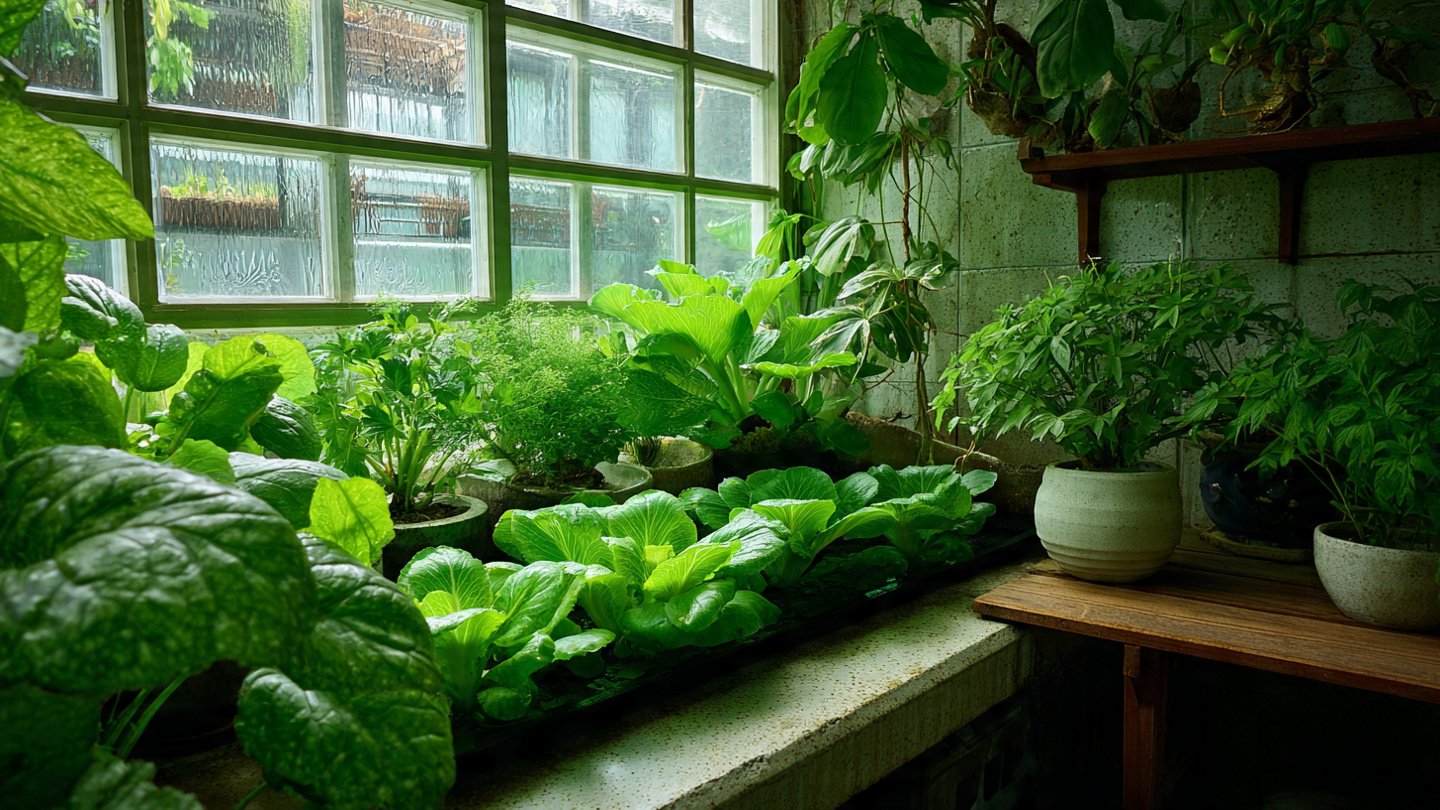
In recent years, indoor gardening has gained immense popularity, particularly among those with limited outdoor space. Asian greens, known for their vibrant flavors, nutritional benefits, and versatility in cooking, have emerged as a sought-after choice for indoor gardening enthusiasts. But the question arises: Can you easily grow Asian greens indoors? Absolutely! This article explores the best practices for growing Asian greens indoors and reveals the ultimate hack to ensure a successful harvest.
The Popularity of Asian Greens
Asian greens include a variety of delicious and nutritious vegetables, such as bok choy, tatsoi, mustard greens, and napa cabbage. They are celebrated for their crisp textures and unique flavors, making them staples in various cuisines, particularly in East Asian cooking. These greens are also packed with vitamins A, C, K, and essential minerals, making them an excellent choice for health-conscious individuals.
Benefits of Growing Asian Greens Indoors
-
Convenience: Growing your own Asian greens means you have easy access to fresh produce right in your kitchen. No more last-minute trips to the grocery store!
-
Quality Control: When you grow your greens, you control the growing conditions, ensuring they are free from harmful pesticides and chemicals.
-
Sustainability: Indoor gardening reduces food miles, contributing to a more sustainable lifestyle. You’re not just growing food; you’re supporting eco-friendly practices.
-
Year-Round Availability: With the right conditions, you can grow Asian greens indoors throughout the year, regardless of seasonal changes.

What You Need to Get Started
1. Containers
Select containers that allow for proper drainage. Pots, trays, or even recycled containers with drainage holes work well. For younger plants, shallow trays with a depth of 3-4 inches are suitable.
2. Soil
Use high-quality potting soil that is well-draining and rich in organic matter. A soil mix formulated for vegetables is ideal, as it provides the right balance of nutrients.
3. Seeds
Choose a variety of Asian greens suited for indoor growing. Fast-growing types like bok choy or mustard greens are especially good options, as they can be harvested within just a few weeks.
4. Light
Asian greens require ample light to thrive. If you don’t have enough natural sunlight, consider investing in grow lights that provide the full spectrum of light needed for healthy plant growth.
5. Watering Tools
Ensure you have a watering can or a spray bottle to keep the soil consistently moist but not waterlogged.
6. Temperature Control

Asian greens prefer cooler temperatures, ideally between 60°F and 70°F (15°C and 21°C). Keep them away from drafts or extreme heat sources.
Step-by-Step Guide to Growing Asian Greens Indoors
Step 1: Prepare Your Containers
- Clean Containers: If you’re reusing containers, clean them thoroughly to eliminate any potential diseases.
- Fill with Soil: Fill the containers with your chosen potting mix, leaving about an inch of space from the top.
Step 2: Sow the Seeds
- Sowing Depth: Plant seeds according to the instructions on the packet. Most Asian greens should be sown at a depth of about ¼ inch.
- Spacing: To avoid overcrowding, sow seeds 2-3 inches apart. This spacing allows ample room for growth.
Step 3: Watering
- Initial Watering: Water the soil gently after sowing to ensure it’s moist but not soggy.
- Ongoing Care: Continue to check the moisture level regularly. Water when the top inch of soil feels dry.
Step 4: Provide Adequate Light
- Natural Light: Position your containers in a south-facing window where they can receive at least 6 hours of sunlight daily.
- Supplemental Lighting: If natural light is insufficient, use grow lights for 12-16 hours a day, positioning them about 6 inches above the plants.

Step 5: Monitor Temperature
- Ideal Conditions: Keep your Asian greens in a cool, stable environment. Avoid placing them in areas with high heat or cold drafts.
Step 6: Thin and Care
- Thinning: Once seedlings develop their first true leaves, thin them out to ensure that each plant has enough space to grow. Snip off weaker seedlings at the soil line to avoid disturbing the roots of stronger ones.
- Fertilization: After a few weeks, consider adding a balanced, water-soluble fertilizer to promote growth.
Step 7: Harvesting
- Timing: Most Asian greens can be harvested when they are about 4-6 inches tall.
- Method: Use scissors to cut leaves, leaving the rest of the plant intact so it can continue to grow. For some varieties, you can harvest the entire plant at the base.
The Ultimate Hack for Indoor Asian Greens
The ultimate hack for successfully growing Asian greens indoors is to utilize a hydroponic system. Hydroponics eliminates the need for soil and allows you to control water and nutrient supply closely. Multiple approaches exist, but the Kratky method is straightforward and beginner-friendly.
The Kratky Method

-
Materials: Use a container (such as a plastic tote), net pots, hydroponic nutrient solution, and a growing medium (like clay pebbles).
-
Setup:
- Fill the container with nutrient solution, ensuring it covers the bottom of the net pots.
- Place the net pots filled with growing medium into the container, allowing the roots to touch the nutrient solution.
-
Maintenance:
- As the plants grow, monitor the water level and solution concentration.
- Top up with additional nutrient solution as needed and replace it every few weeks.
-
Benefits:
- Faster growth rates compared to traditional soil gardening.
- Minimal space and soil issues, making it ideal for indoor systems.

Troubleshooting Common Issues
-
Pest Problems: Indoor plants can still face pest challenges. Regularly inspect your plants for aphids or spider mites. Use natural deterrents like neem oil.
-
Yellowing Leaves: This can signify overwatering or nutrient deficiencies. Adjust your watering regimen and consider feeding your plants more nutrients.
-
Leggy Plants: If plants are stretching toward the light, they might not be receiving enough light. Adjust the light source or duration as needed.
-
Slow Growth: Low temperatures or insufficient light can hinder growth. Ensure your indoor environment keeps the ideal temperature and light conditions.
Conclusion
Growing Asian greens indoors is not only feasible but can also be incredibly rewarding. With the right materials, conditions, and commitment, you can enjoy fresh, nutritious greens year-round. Implementing the hydroponic Kratky method can further enhance your gardening experience in a simple, space-efficient manner. Whether you’re a seasoned gardener or a beginner, indoor gardening opens up a world of possibilities, making it easier than ever to cultivate your own healthy and delicious food!
So why wait? Start your indoor garden today, and savor the joy of harvesting your fresh Asian greens right from your kitchen!