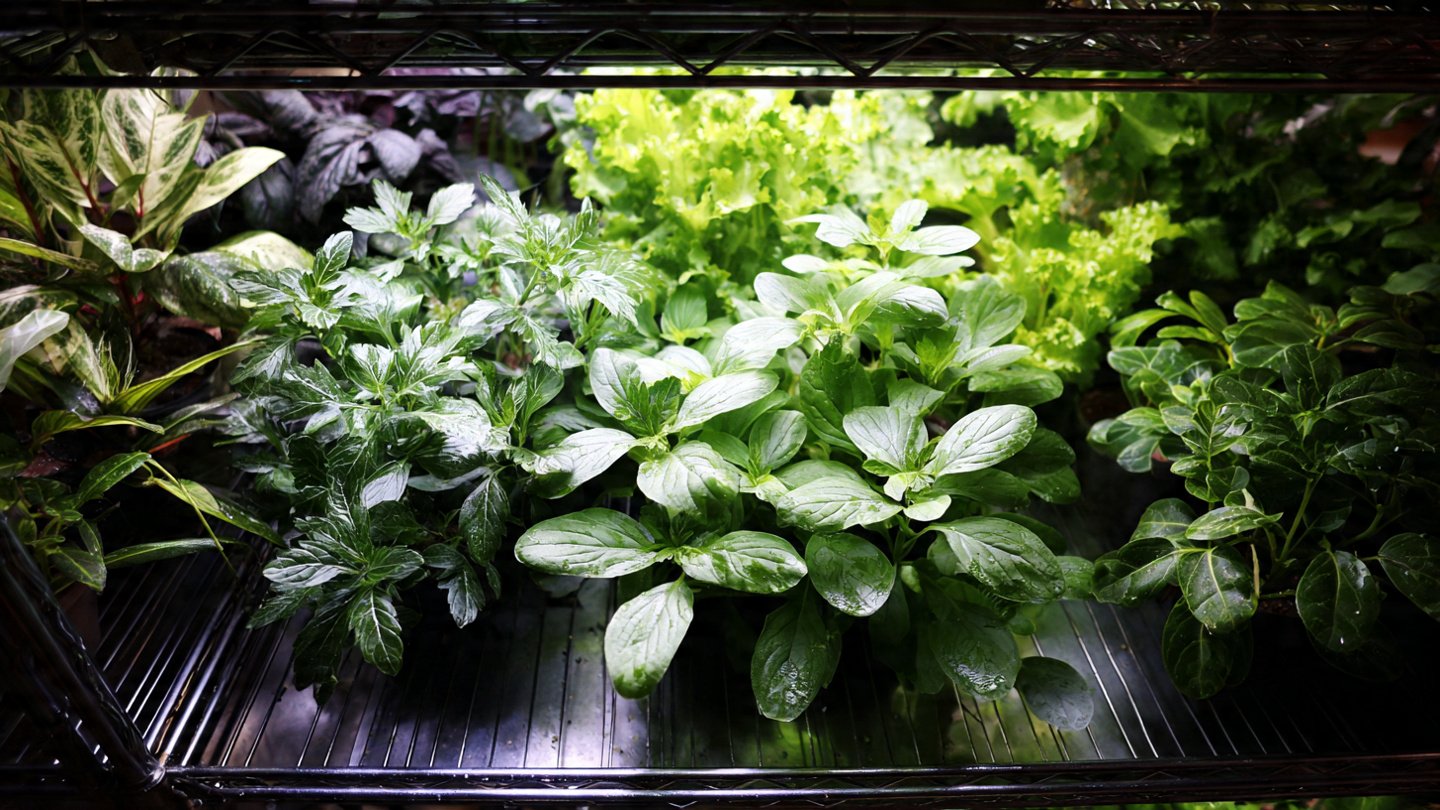
Growing your own vegetables not only enhances your culinary experiences but also promotes a sustainable lifestyle. Among the myriad of vegetables you can grow, Asian greens stand out for their unique flavors and nutritional benefits. If you’re considering how to bring the essence of an Asian kitchen into your home, this guide will walk you through the process of growing Asian greens indoors, complete with tips, tricks, and the ultimate hack for success.
Why Grow Asian Greens?
Nutritional Benefits
Asian greens, such as bok choy, tatsoi, and mustard greens, are packed with nutrients. They are rich in vitamins A, C, and K, along with antioxidants, folate, and calcium. Adding these greens to your diet can help support overall health, making them a wise choice for any home gardener.
Versatility in Cooking
The versatility of Asian greens makes them a favorite in various cuisines. They can be stir-fried, steamed, added to soups, or used in salads. Their peppery notes and crisp textures add depth to dishes, making them a staple in both traditional and contemporary recipes.
Space-Efficient
If you’re short on outdoor space, Asian greens are particularly well-suited for indoor gardening due to their compact growth habits. They don’t require much room, making them perfect for small apartments or homes.
What You Need to Get Started
1. Seeds
Starting with high-quality seeds is crucial for successful growth. Look for varieties of Asian greens that are well-suited for indoor growing. Some excellent options include:

- Bok Choy: A Chinese cabbage known for its mild flavor.
- Tatsoi: A nutrient-rich leafy green with a unique taste.
- Mustard Greens: Spicy greens that add zest to dishes.
2. Containers
Choose containers with adequate drainage to prevent overwatering. You can use traditional pots, recycled containers, or even specially designed indoor gardening systems. Ensure that your pots have drainage holes at the bottom.
3. Soil
Opt for a high-quality, organic potting mix that is rich in nutrients. You might also consider adding compost to enhance the soil’s fertility. Asian greens thrive in well-draining soil that retains moisture without becoming waterlogged.
4. Light
Light is critical for indoor gardening. Asian greens typically need about 12-16 hours of light daily for optimal growth. If you don’t have a bright windowsill, you may want to invest in grow lights. Full-spectrum LED lights are an excellent choice, mimicking natural sunlight.
5. Water
Consistent moisture is vital for Asian greens, but be wary of overwatering. The soil should be kept moist but not soggy. A good rule of thumb is to check the soil moisture by sticking your finger an inch into the soil; if it feels dry, it’s time to water.

The Ultimate Hack: Hydroponics
If you want to take your indoor gardening to the next level and grow Asian greens with even more ease, consider hydroponics. Hydroponics allows you to cultivate plants without soil, using nutrient-rich water instead. Here’s how to implement this hack:
What You Need for Hydroponics
- Hydroponic System: You can buy a commercial system or create your own using containers, nets, and a water reservoir.
- Growing Medium: Options like coconut coir, rock wool, or clay pellets support your plants while allowing for excellent drainage.
- Nutrient Solution: You’ll need a nutrient solution designed for hydroponics, which provides essential minerals for plant growth.
- pH Kit: The pH of your solution should be between 5.5 and 6.5. Regularly checking this helps ensure optimal nutrient absorption.
Steps to Grow Asian Greens Hydroponically
-
Set Up Your System: Assemble your hydroponic system according to the manufacturer’s instructions. Ensure everything is clean to prevent disease.
-
Prepare Seeds: Soak your seeds overnight in water before planting. This boosts germination rates.
-
Plant Seeds: Place seeds in the growing medium according to the recommended spacing. Water them gently to moisten the medium.
-
Add Nutrient Solution: Fill the reservoir with water and mix in the nutrient solution according to the package instructions. Monitor the water level, and refill as necessary.
-
Monitor Growth: Use grow lights if needed and check the pH level weekly. You should see growth within a week or two.
-
Harvest: Once your Asian greens reach 4-6 inches, they’re ready to be harvested! You can cut the leaves for fresh use or remove the whole plant at the base for larger varieties.

Troubleshooting Common Issues
Growing Asian greens indoors, whether in soil or hydroponically, can present some challenges. Here are some common issues and solutions:
1. Lack of Growth
If your plants are slow to grow, they may not be getting enough light. Ensure your grow lights are positioned correctly or increase the lighting duration.
2. Yellowing Leaves
Yellowing leaves often signify nutrient deficiencies or overwatering. Adjust your watering frequency and check the nutrient solution’s concentration.

3. Pests
Indoor gardening isn’t immune to pests. Regularly inspect your plants for aphids or spider mites. Insecticidal soap or neem oil can help manage infestations without toxic chemicals.
4. Wilting
Wilting can be a sign of either underwatering or overwatering. Check your soil moisture levels; if they feel soggy, cut back on watering. Conversely, ensure your plants are watered regularly if the soil is dry.
Best Practices for Indoor Gardening
1. Rotate Crops
To prevent nutrient depletion and disease, consider rotating your crops every few months. This practice ensures your plants get the nutrients they need while maintaining soil health.
2. Companion Planting
You can plant herbs like basil or cilantro alongside your Asian greens. They can complement each other and help to deter pests.
3. Harvesting Techniques
When harvesting Asian greens, use scissors to snip leaves rather than pulling them, which can disturb the roots of nearby plants. This encourages regrowth and allows you to enjoy multiple harvests.

4. Maintain Hygiene
Keep your growing area clean to minimize disease risk. Regularly wipe down surfaces, pots, and tools, and dispose of any plant debris.
5. Monitor Growth
Keep a gardening journal to track what varieties you planted, how they performed, and what issues you encountered. This will help you refine your approach over time.
Conclusion
Growing Asian greens indoors is not only feasible; it’s an enriching experience. By understanding the specific requirements of these greens and utilizing smart techniques like hydroponics, you can successfully cultivate a thriving indoor garden year-round.
As you experiment with flavors and recipes, the satisfaction of harvesting your own fresh greens will amplify your meals and provide healthy nutritional benefits. Whether you’re a seasoned gardener or a newbie, embracing indoor gardening can transform your living space into a vibrant source of fresh produce.
So, why wait? Start your indoor Asian greens garden today and enjoy the ultimate hack of home-grown deliciousness!