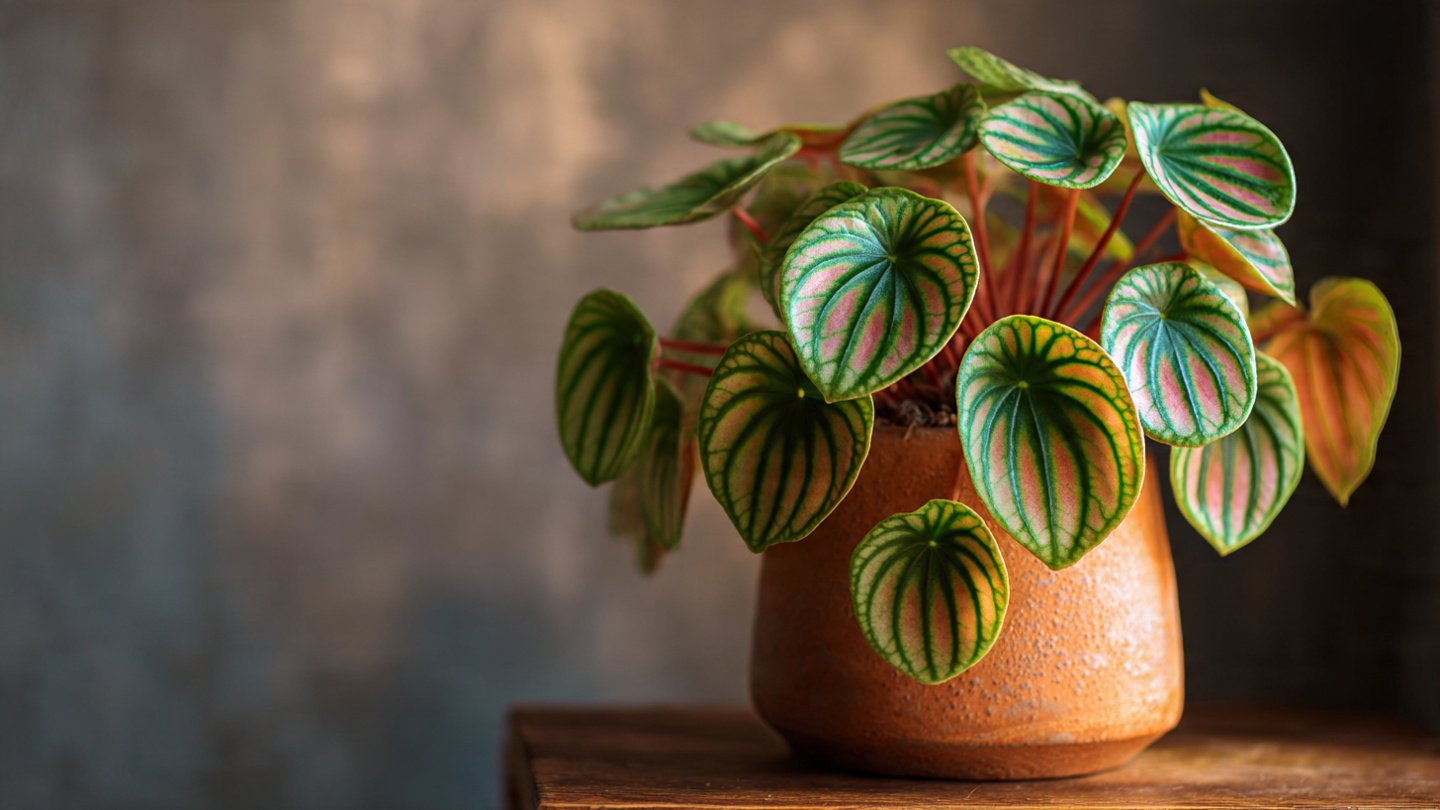
Peperomia watermelon, with its striking leaves resembling the skin of a watermelon, has become a popular choice among indoor plant enthusiasts. This compact tropical plant thrives in indoor environments, making it an ideal candidate for homes and offices alike. Whether you’re an experienced gardener or a novice plant parent, this guide will provide you with everything you need to know to successfully grow your peperomia watermelon indoors.
Understanding Peperomia Watermelon
Origin and Characteristics
Peperomia watermelon (Peperomia argyreia) is native to South America, particularly in the tropical rainforests of Brazil. This perennial plant is part of the Piperaceae family, which also includes black pepper. The peperomia family consists of over 1,500 species, but the watermelon variety stands out due to its unique leaf patterns. Its thick, succulent leaves are dark green, marked by silver stripes that create a stunning visual effect, reminiscent of a watermelon’s rind.
Growth Habit
Peperomia watermelon typically reaches a height of about 12 inches (30 cm) and has a bushy growth habit. Its leaves grow in a rosette formation, making it an attractive addition to any indoor plant collection. The compact size and easy care requirements make it a suitable option for various settings, from desktops to shelves.
Choosing the Right Location
Light Requirements
When growing peperomia watermelon indoors, the right light is crucial for healthy growth and vibrant foliage. These plants prefer bright, indirect light. Direct sunlight can scorch the leaves, leading to discoloration and damage. A spot near a north or east-facing window is often ideal, where they can enjoy ample light without direct exposure.
In lower light conditions, peperomia watermelon can survive, but growth may slow down, and leaf patterns may become less pronounced. If you notice your plant stretching toward the light, it’s a sign that it’s not receiving enough illumination.

Temperature and Humidity
Peperomia watermelon thrives in temperatures between 65°F and 80°F (18°C to 27°C). They are not frost-tolerant, so if you live in an area with cold weather, ensure that your plant is kept indoors during the winter months.
In terms of humidity, these plants prefer moderate to high humidity levels. While they can adapt to typical indoor humidity, they benefit from occasional misting or being placed in a more humid environment, such as a kitchen or bathroom. If your indoor air is particularly dry, consider using a pebble tray filled with water to increase humidity around the plant.
Potting and Soil Requirements
Choosing the Right Pot
Choosing the right pot for your peperomia watermelon is essential for its growth. Opt for pots with drainage holes to prevent water from accumulating at the bottom, which can lead to root rot. A standard plastic or terracotta pot works well, but you can also explore decorative containers as long as they have adequate drainage.
Soil Selection
Peperomia watermelon prefers a well-draining soil mix that retains some moisture but also allows excess water to escape. A commercial potting mix designed for houseplants is suitable, but you can improve drainage by mixing in perlite, pumice, or orchid bark. A ratio of 2:1 potting mix to perlite is often effective.
Watering Practices
How to Water

Watering is one of the most critical aspects of caring for peperomia watermelon. These plants are susceptible to overwatering, so it’s essential to develop a watering routine that maintains a balance between keeping the soil moist and allowing it to dry out.
A good rule of thumb is to water your plant when the top inch of soil feels dry to the touch. Depending on your indoor environment, this could mean watering every 1-2 weeks. Be attentive to changes in your plant’s appearance; if the leaves start to droop or appear wrinkled, it may need water. Conversely, if the leaves turn yellow or mushy, you’ve likely overwatered.
Signs of Overwatering and Underwatering
-
Overwatering: Yellowing leaves, soft or mushy stems, and a pungent smell from the soil are indicators of overwatering. The plant may also develop root rot if left unchecked.
-
Underwatering: Leaves may become wrinkled or shriveled, and the plant will appear droopy. If the soil feels Bone-dry, it’s time to water.
Fertilizing for Optimal Growth
Frequency and Type
While peperomia watermelon doesn’t require a lot of nutrients, a regular fertilizing schedule will promote healthy growth and vibrant foliage. Use a balanced, water-soluble houseplant fertilizer diluted to half strength. Fertilize every 4-6 weeks during the growing season (spring and summer) and reduce or stop during dormancy in fall and winter.
Signs of Nutrient Deficiency

If your plant’s leaves appear pale, small, or misshaped, it may be lacking essential nutrients. In such cases, a balanced fertilizer can help.
Pruning and Propagation
Pruning Techniques
Pruning is a vital part of keeping your peperomia watermelon healthy and aesthetically pleasing. Regularly remove any yellowing or dead leaves to encourage new growth and prevent the spread of disease. You can also trim back leggy growth to promote a bushier growth habit.
Propagation Methods
If you want to expand your collection or share your peperomia watermelon with friends, propagation is straightforward.
-
Leaf Cuttings: Select a healthy leaf, cutting it at the base. Allow it to dry for a few hours, then place it in a well-draining soil mix. Water lightly, and keep it in a warm, bright spot.
-
Stem Cuttings: Take a stem cutting that has a few leaves. Allow the cut end to callous over for a day, then plant it in soil. Keep the soil moist but not soggy.
In both methods, roots should begin to form within a few weeks.

Common Pests and Diseases
Identifying Problems
While peperomia watermelon is relatively pest-resistant, it can still succumb to common indoor plant pests, such as:
- Mealybugs: Small, white, cotton-like pests that tend to hide in the leaf axils.
- Spider mites: Tiny pests that can cause yellowing and webbing on leaves.
- Fungus gnats: Small flies that indicate overwatering.
Prevention and Treatment
-
Regular Inspection: Inspect your plant weekly for any signs of pests. If caught early, treatment can be straightforward.
-
Natural Remedies: For mealybugs, use a cotton swab dipped in rubbing alcohol to remove them. For spider mites, increase humidity and spray the leaves with water or insecticidal soap.
-
Neem Oil: This natural pesticide helps to manage a variety of pests when applied as directed.

The Benefits of Growing Peperomia Watermelon
Aesthetic Appeal
The stunning foliage of the peperomia watermelon is a guaranteed eye-catcher. Its compact size and interesting leaf patterns make it an excellent addition to any indoor setting.
Air Purification
Like many indoor plants, peperomia watermelon can help purify the air in your home. Studies have shown that houseplants can remove toxins from the air, providing a healthier environment for you and your family.
Low Maintenance
Peperomia watermelon is relatively low-maintenance compared to other houseplants, making it perfect for busy individuals or beginners looking to dabble in indoor gardening. Its forgiving nature means that it can bounce back from minor mistakes in care.
Conclusion
Growing peperomia watermelon indoors can be a rewarding experience, yielding vibrant foliage and enhancing the beauty of your space. By following the tips outlined in this guide, you will be well-equipped to nurture this stunning plant, ensuring it thrives in your indoor environment. With the right light, watering routine, and occasional care, your peperomia watermelon can flourish, bringing a touch of tropical charm to your home or office. Happy gardening!