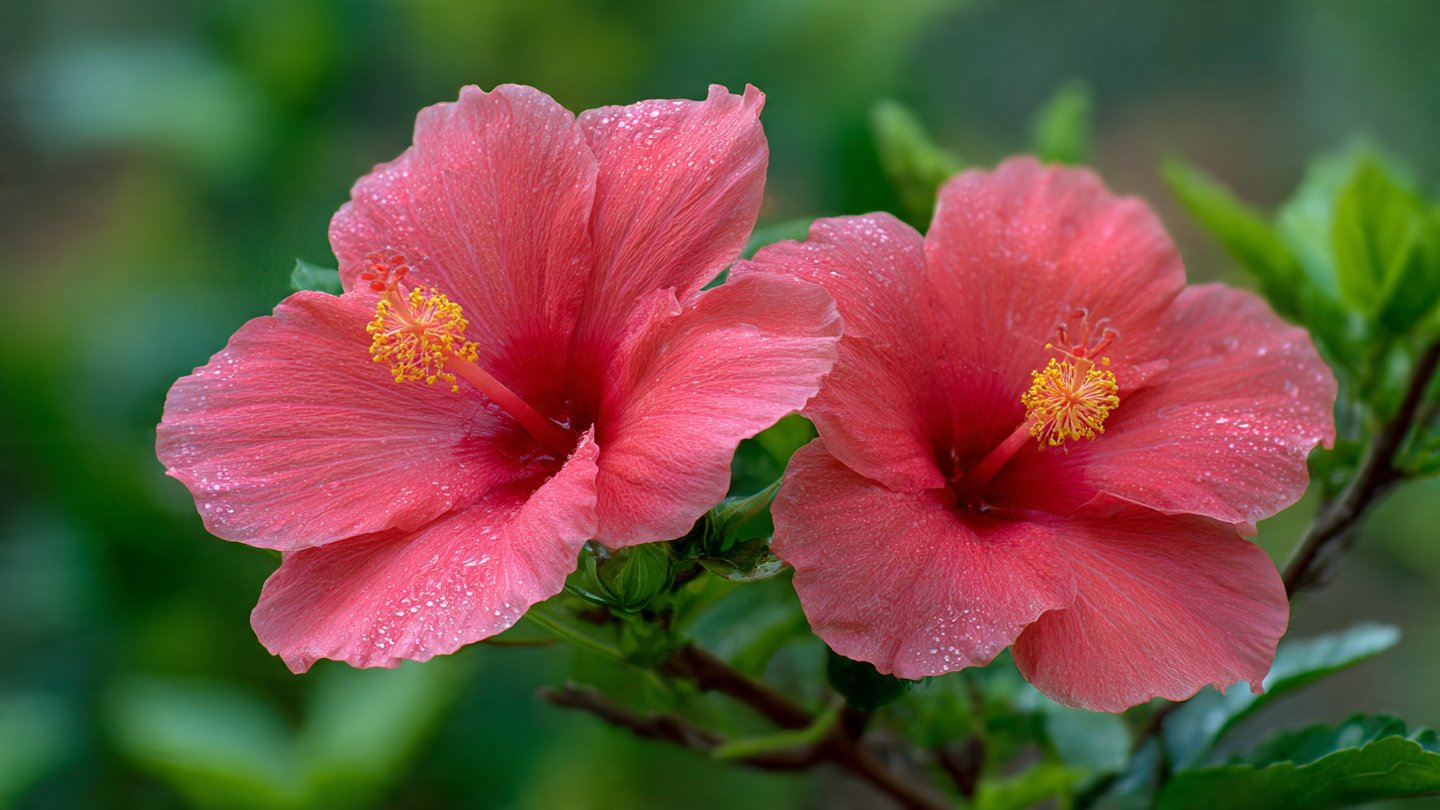
Double hibiscus (Hibiscus rosa-sinensis) is a stunning plant that can significantly enhance your garden’s landscape with its vibrant, lush blooms. Known for their large, layered flowers that often resemble tropical roses, double hibiscuses bring abundant color and texture to your outdoor space. In this article, we will explore how to grow double hibiscus effectively, ensuring they thrive and provide a spectacular display of color in your garden.
Understanding Double Hibiscus
What is Double Hibiscus?
Double hibiscus is a tropical plant renowned for its elaborate flowers, which consist of multiple petals layered to create a voluminous and rich appearance. The flowers range in colors including red, pink, orange, yellow, and even bi-colors, making them a favorite for gardeners who wish to create a vibrant landscape.
Characteristics of Double Hibiscus
- Height: Depending on the variety, double hibiscus can grow between 3 to 10 feet tall.
- Flower Size: Blooms can measure 4 to 6 inches across.
- Foliage: The leaves are dark green and glossy, adding to the overall aesthetic appeal.
- Blooming Season: In warmer climates, double hibiscuses can bloom almost year-round, while in cooler areas, blooming occurs during summer.
Choosing the Right Variety
There are countless hybrids of double hibiscus, each offering unique colors and patterns. When selecting a variety, consider your climate, the expected height of the plant, and how it will fit into your landscape design. Some popular varieties include:

- ‘Lord Baltimore’: Known for its striking red flowers.
- ‘Peachy Keen’: Features lovely peach-colored blooms.
- ‘Samba’: Offers a unique blend of orange and yellow tones.
Ideal Growing Conditions
Climate
Double hibiscus thrives in tropical and subtropical climates. They need protection from frost, so if you live in a cooler region, consider growing them in pots to bring indoors during colder months.
Sunlight
Ensure that your hibiscus plants receive full sunlight for at least 6-8 hours daily. They thrive in bright conditions, leading to more prolific blooms.
Soil Requirements
Hibiscuses prefer well-draining, nutrient-rich soil. A slightly acidic to neutral pH (6.0 to 7.0) is ideal. You can enhance soil quality by adding organic compost or well-rotted manure before planting.
Watering Needs
Consistent moisture is crucial for double hibiscus, especially during the blooming season. Regularly check the soil moisture and water when the top inch of soil feels dry. However, avoid waterlogging, as this can lead to root rot.

Planting Double Hibiscus
Propagation
Double hibiscus can be propagated through seeds or cuttings.
- Seeds: Soak the seeds in water for 24 hours before planting to enhance germination. Plant them in a seed tray filled with moist potting soil, spacing them about an inch apart. Keep the tray in a warm, bright location and keep the soil moist until they sprout.
- Cuttings: Take 4 to 6-inch cuttings from healthy plants. Remove the lower leaves, dip the cut end in rooting hormone, and plant it in a pot filled with a mix of sand and peat moss. Keep the cutting in a warm, humid environment until roots develop.
Steps for Planting
- Choose the Location: Select a sunny spot in your garden or consider using pots for more control over conditions.
- Prepare the Soil: Amend the selected area with organic matter to enrich the soil.
- Planting Time: The best time to plant double hibiscus is in the spring after the last frost, allowing them to establish themselves for the growing season.
- Spacing: If planting multiple hibiscuses, space them at least 3 feet apart to allow for full growth.
- Watering: Water immediately after planting to settle the soil around the roots.
Caring for Double Hibiscus

Fertilization
To promote healthy growth and vibrant blooms, fertilize double hibiscus every 4-6 weeks with a balanced fertilizer, preferably one that’s high in phosphorus. This nutrient supports flowering and enhances blossom color.
Pruning
Pruning is essential to maintain the shape and health of double hibiscus:
- Frequency: Prune in early spring before the blooming season begins.
- Technique: Remove any dead or weak branches, and shape the plant to encourage bushier growth and more blooms.
Pest and Disease Control
Regularly inspect your hibiscus plants for pests such as aphids, spider mites, and whiteflies. Organic insecticidal soap can effectively treat many insect problems. Additionally, watch for signs of diseases, such as leaf spots or wilting:
- Fungal Diseases: Ensure good air circulation and avoid overhead watering to prevent fungal issues.
- Root Rot: Overwatering can lead to root rot; ensure well-draining soil.
Mulching

Applying a layer of mulch around the base of your hibiscus can help maintain soil moisture, suppress weeds, and regulate soil temperature.
Designing with Double Hibiscus
Landscape Applications
Double hibiscus can be featured in various landscaping scenarios:
- Garden Borders: Plant them at the back of borders where their height can be appreciated.
- Foundation Planting: Use them to soften the look of hard landscaping elements near your home.
- Containers: Their stunning blooms make double hibiscus perfect for container gardens on patios and balconies.
Complementary Plants
Pair your double hibiscus with complementary plants to create a harmonious landscape. Here are a few suggestions:
- Tropical Plants: Include companion plants like bird of paradise or canna lilies for a tropical look.
- Foliage Plants: Use contrasting foliage plants such as ferns or other tropical ferns to enhance the vibrant colors.
- Annuals: Consider planting annuals like marigolds or petunias around the base to maintain continuous color throughout varying seasons.

Troubleshooting Common Issues
Yellowing Leaves
If the leaves of your hibiscus begin to yellow, it may be a sign of overwatering, nutrient deficiency, or pests. Adjust your care accordingly.
Poor Flowering
If your double hibiscus is not blooming as expected, it may be due to insufficient sunlight or nutrient shortages. Ensure they are getting adequate sun and fertilize appropriately.
Leaf Drop
Leaf drop can occur due to changes in temperature or watering inconsistencies. Maintaining a steady environment can help prevent this.
Conclusion
Growing double hibiscus can add a spectacular burst of color and life to any landscape. By understanding their growing needs—ranging from sunlight and soil requirements to care and maintenance—you can ensure these beautiful plants thrive in your garden. Whether planted in borders, as standalone specimens, or in containers, double hibiscus will undoubtedly create an eye-catching focal point, bringing joy and vibrancy to your outdoor space. With thoughtful care and attention, your double hibiscus can become the crown jewel of your garden, offering stunning blooms and rich greenery throughout the seasons. Happy gardening!