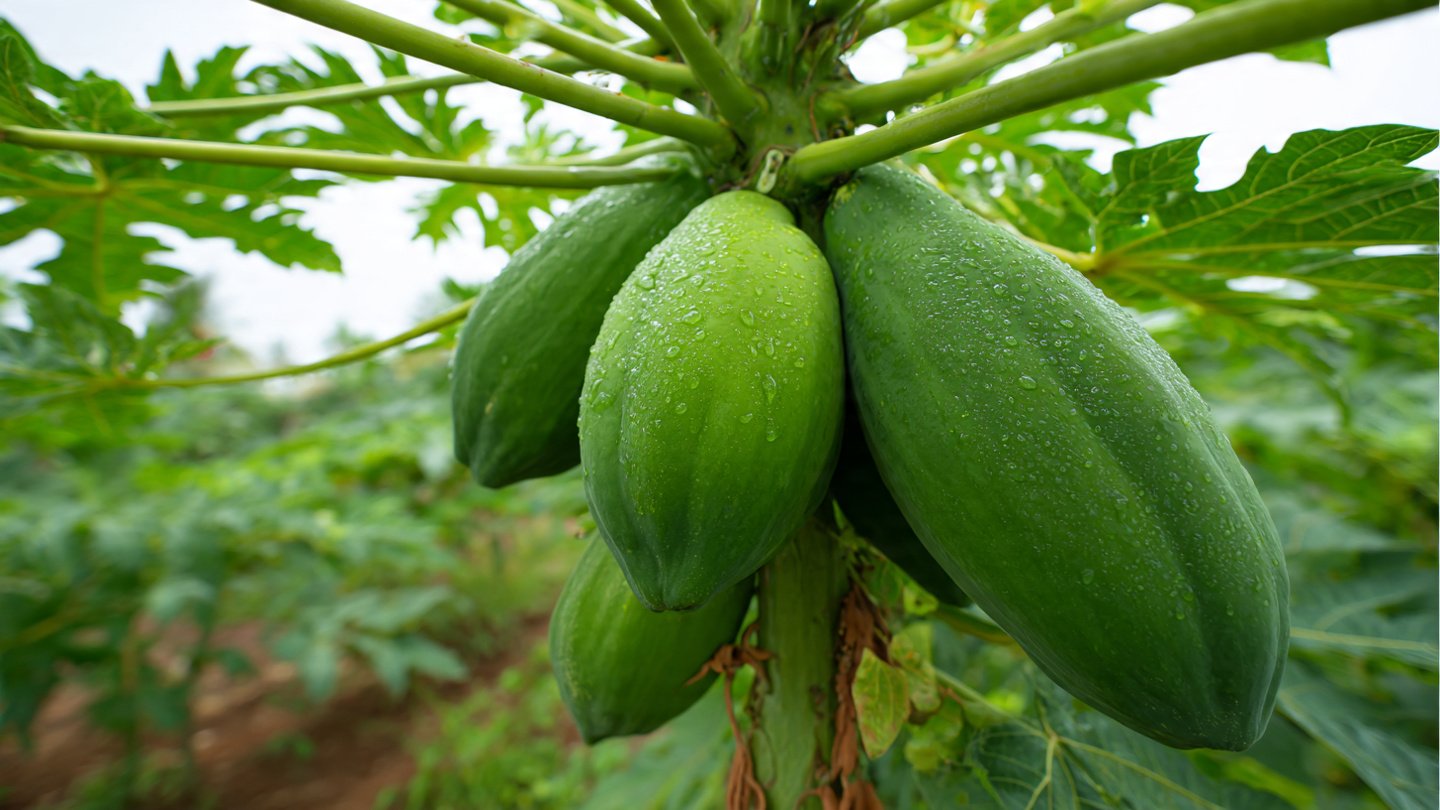
Papayas are tropical fruits known for their vibrant flavor, nutritional benefits, and ease of cultivation. They thrive in warm climates, making them a popular choice for home gardeners in suitable regions. One crucial factor to consider in the successful cultivation of papayas is their watering needs. This article will delve into how continuous watering can significantly boost your papaya’s growth, ensuring a healthy and plentiful harvest.
Understanding Papaya Plant Requirements
The Ideal Climate
Papayas (Carica papaya) flourish in warm, tropical to subtropical climates, ideally with temperatures between 70°F to 90°F (21°C to 32°C). They require plenty of sunlight, and, while they can tolerate some shade, full sun exposure is essential for optimal growth.
Soil Conditions
Well-draining soil is a must for papayas. They prefer sandy or loamy soils rich in organic matter. Good drainage is vital because papaya roots are susceptible to rot if left in waterlogged conditions. The ideal pH for papayas ranges between 6.0 and 6.5, which helps them absorb nutrients effectively.
Nutritional Needs
Papayas are heavy feeders. They require ample nutrients to grow adequately. A balanced diet of nitrogen, phosphorus, potassium, and micronutrients is vital. Organic fertilizers, compost, and manures can help meet these needs, ensuring robust growth.

Watering: A Key Component
Water is perhaps the most crucial factor in growing papayas. They need regular watering to support growth, especially in the early stages. While other factors are important, this article will focus on how continuous watering can be a game-changer for your papaya plants.
The Role of Continuous Watering
Promoting Root Development
Continuous watering encourages healthy root development. Young papaya plants, in particular, need consistent moisture for their roots to establish and spread. The more extensive and healthier the root system, the better the plant can absorb nutrients and water, leading to vigorous growth.
Ensuring Nutrient Uptake
Papayas are fast-growing plants that require a steady supply of nutrients. Continuous moisture helps dissolve fertilizers in the soil, making it easier for the plant to access essential nutrients. Nutrient-rich soil combined with continuous watering can significantly enhance growth and fruiting.
Reducing Plant Stress
Stress caused by inadequate watering can stunt growth and lead to other issues, like flower drop. Continuous moisture helps alleviate such stress, making the plants more resilient against pests and diseases. Healthy plants are less likely to be affected by environmental stressors, ultimately leading to better fruit production.

Implementing Continuous Watering
The Right Frequency
While it’s important to maintain continuous moisture, it’s also crucial to avoid overwatering. Typically, papayas need about 1-2 inches of water weekly, depending on the climate and soil conditions. During the initial growth phase, they may require more frequent watering, while established plants can tolerate slightly less moisture.
Monitoring Soil Moisture
To ensure that you are providing the right amount of water, regularly check the soil moisture level. Stick your finger about two inches into the soil; if the soil feels dry at that depth, it’s time to water. A moisture meter can also be a useful tool for monitoring.
Best Watering Techniques
-
Drip Irrigation: This efficient method allows water to drip slowly to the roots, providing consistent moisture without waterlogging.
-
Soaker Hoses: Similar to drip irrigation, soaker hoses can deliver water evenly over the root zone, ensuring even moisture distribution.
-
Mulching: Applying organic mulch can help retain soil moisture by reducing evaporation. Mulch also adds organic matter to the soil as it breaks down.
-
Rainwater Harvesting: Collecting rainwater can provide a sustainable watering solution. It’s typically free of chemicals found in municipal water supplies and can be more beneficial for plant health.

Adjusting Watering Habits by Season
The watering needs of papayas can also fluctuate based on the season. In hotter months, you may need to increase watering frequency to prevent dehydration. Conversely, during cooler or rainy periods, it may be necessary to reduce watering to avoid waterlogging.
Signs of Water Stress
Monitoring plants for signs of water stress is essential. Wilting leaves, yellowing foliage, and fruit drop can all indicate that your papaya plant is either overwatered or underwatered. Adjust your watering schedule promptly if you notice these symptoms.
The Influence of Environmental Factors
Temperature and Humidity
High temperatures coupled with low humidity can increase the rate of evaporation, necessitating more frequent watering. Conversely, cool, humid conditions may allow for less frequent watering. Always adjust your watering practices according to the current weather conditions.

Pest and Disease Management
Continuous moisture can also have implications for pest control. While it helps the plant grow, overwatering can lead to root rot, attract pests, and promote fungal diseases. It’s important to strike a balance: monitor your plants and adjust your watering practices based on their health and surrounding conditions.
Using Fertilizers Wisely
When watering continuously, consider how it impacts your fertilizer application. Nutrients can be washed away with overwatering, so timing your fertilization correctly is essential. Apply fertilizers when the soil is moist but not overly saturated, and consider slow-release formulations that provide nutrients gradually.
Troubleshooting Watering Issues
Overwatering Problems
Overwatering can lead to root rot, an affliction caused by insufficient oxygen reaching the roots. Signs of root rot include yellowing leaves, stunted growth, and wilting. If you suspect overwatering, reduce your watering frequency immediately and improve drainage.
Underwatering Symptoms
Underwatered plants will display droopy leaves, dry soil, and slow growth. If your papayas show these symptoms, increase your watering regimen and consider mulching to retain moisture.

Balancing Continuous Watering
Finding the right balance between continuous watering and avoiding overwatering is crucial for papaya health. Regular monitoring and adjusting your routine based on environmental conditions can lead to happy, healthy plants.
Conclusion
Continuous watering is a powerful technique to enhance the growth of papayas. By understanding the intricate relationship between watering, soil moisture, and plant health, gardeners can significantly boost their papaya yield. The ideal balance of water allows for improved nutrient uptake, robust root development, and enhanced resilience against environmental stresses.
By adopting good watering practices and closely monitoring your papaya plants, you can enjoy a bountiful harvest of these delicious tropical fruits. With patience and care, your papaya trees will thrive, providing you with nutritious fruits for many seasons to come.