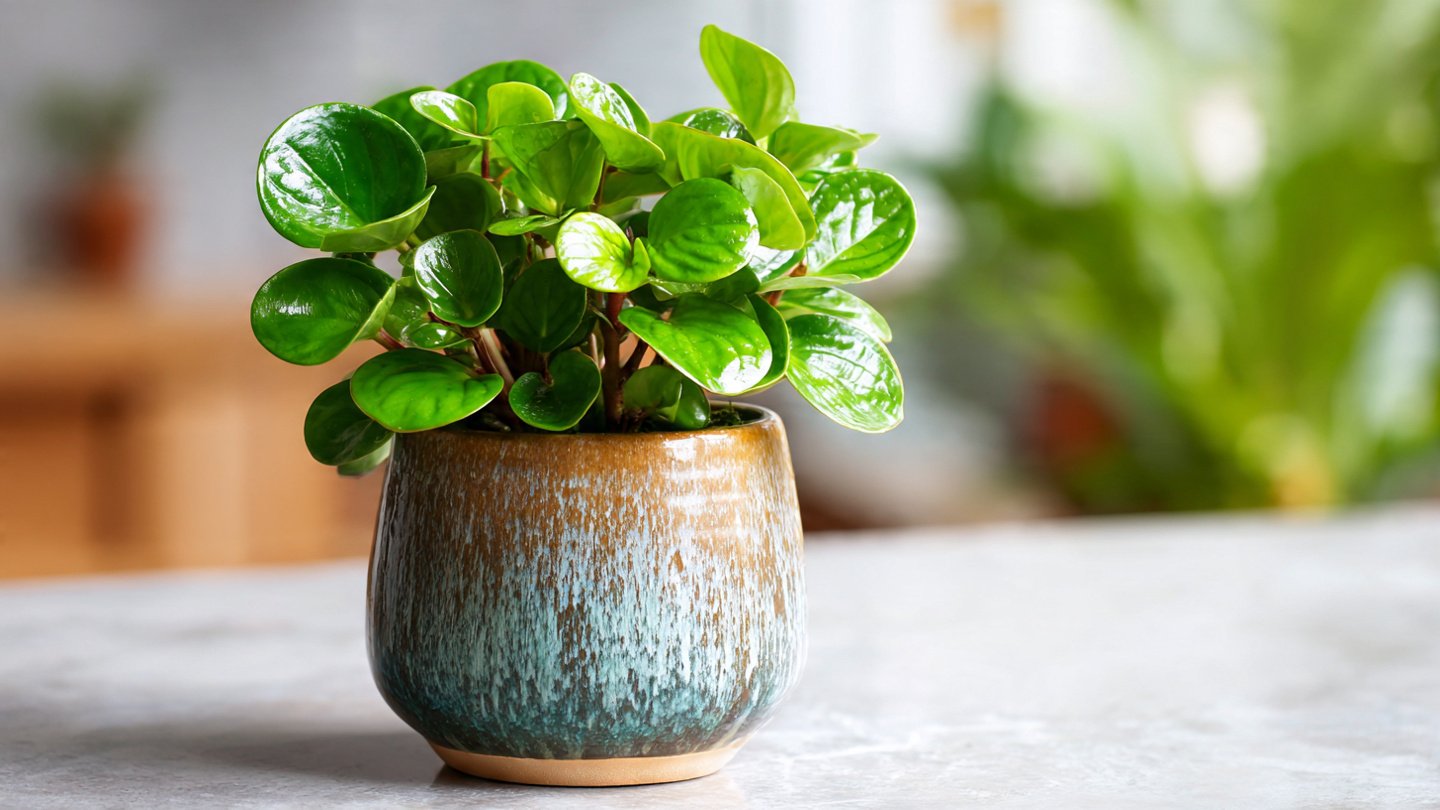
Peperomia obtusifolia, also known as the Radiator Plant, is a fantastic choice for indoor gardeners looking for a low-maintenance yet visually appealing houseplant. With its thick, succulent leaves and compact growth habit, it’s not only attractive but also durable, making it an ideal companion for homes and offices alike. In this guide, you’ll discover how to effortlessly grow and care for your Peperomia obtusifolia indoors, ensuring it thrives in your space.
1. Understanding Peperomia Obtusifolia
1.1 Characteristics
Peperomia obtusifolia features glossy, oval-shaped leaves that can vary in color from a rich green to variegated shades of cream and green. This perennial plant typically grows to about 12 inches in height and spreads about 12 inches wide, making it perfect for tabletops, shelves, or windowsills.
1.2 Native Habitat
Originating from Central and South America, Peperomia obtusifolia thrives in tropical climates. It naturally grows in shaded forest areas, which informs its care needs as a houseplant.
2. Choosing the Right Pot and Soil
2.1 Pot Selection
Select a pot with drainage holes to prevent overwatering, which can lead to root rot. Terracotta pots are an excellent option as they allow for better air exchange through the soil.
2.2 Soil Requirements
Use a well-draining potting mix, ideally one formulated for succulents or cacti. A mix of potting soil, perlite, and sand (equal parts) will provide adequate drainage while retaining some moisture.
3. Optimal Lighting Conditions

3.1 Light Preferences
Peperomia obtusifolia thrives in bright, indirect light but can also tolerate low-light conditions. Avoid direct sunlight, which can scorch the leaves. A north or east-facing window is ideal, allowing the plant to bask in filtered sunlight without harsh rays.
3.2 Signs of Improper Lighting
- Too Much Light: Leaves may become crispy and develop brown spots.
- Too Little Light: Growth will be leggy, and leaves may lose their vibrant color.
4. Watering Routine
4.1 Watering Guidelines
Water your Peperomia obtusifolia when the top inch of soil feels dry. Generally, this means watering every 1-2 weeks, depending on humidity and temperature. During the winter months, reduce watering as the plant enters a dormant phase.
4.2 Overwatering and Underwatering
- Overwatering: Root rot can occur, evidenced by yellowing leaves and mushy stems. If you suspect overwatering, allow the soil to dry and cut back on watering frequency.
- Underwatering: Leaves may wrinkle and curl. If this happens, give the plant a thorough soak and adjust your watering schedule.
5. Humidity and Temperature
5.1 Ideal Conditions
Peperomia obtusifolia prefers moderate humidity levels of around 40-50%. They are adaptable but thrive in temperatures ranging from 65°F to 80°F (18°C to 27°C).

5.2 Maintaining Humidity
If your home is particularly dry, especially during winter, increase humidity levels by:
- Using a humidity tray filled with water and pebbles.
- Grouping plants together, as they create a microclimate.
- Misting occasionally, though avoid excessive moisture on the leaves.
6. Fertilizing Your Peperomia
6.1 When to Fertilize
Feed your Peperomia obtusifolia during the growing season (spring and summer) with a balanced, water-soluble houseplant fertilizer, diluted to half strength. Fertilizing every 4-6 weeks is sufficient.
6.2 Signs of Nutrient Deficiency
- Yellowing Leaves: May indicate a lack of nutrients.
- Stunted Growth: Lack of fertilizer can hinder proper growth.
7. Pruning and Propagation
7.1 Pruning for Health

Prune your Peperomia to remove any dead or yellowing leaves, which helps maintain the plant’s health and encourages new growth. This can be done any time of the year.
7.2 Propagation Methods
Peperomia obtusifolia is easy to propagate through several methods:
- Leaf Cuttings: Cut a healthy leaf, allow it to dry for a few hours to prevent rot, and place it in moist soil.
- Offsets: If your plant produces offsets, gently separate them and repot in their own container.
7.3 Care After Propagation
Keep the new plants in a warm, humid environment until they establish roots, usually within a few weeks.
8. Common Pests and Problems
8.1 Pests to Watch For
While Peperomia obtusifolia is relatively pest-resistant, keep an eye out for:
- Spider mites: Often appear in dry conditions.
- Mealybugs: Small, white cotton-like masses.

Use insecticidal soap or neem oil to treat infestations.
8.2 Disease Prevention
Ensure good air circulation and avoid overcrowding to prevent mold and fungal issues. Regularly check for signs of distress, such as leaf spots or wilting.
9. Seasonal Care Tips
9.1 Winter Care
During the colder months, reduce watering and remove any dead leaves. Consider moving the plant to a warmer location away from drafty windows.
9.2 Summer Care
In summer, your Peperomia can benefit from slightly increased humidity, especially if exposed to higher temperatures. Regularly check soil moisture more frequently during this season.
10. Troubleshooting Common Issues
10.1 Leaf Drop
Leaf drop can occur due to stress, such as changes in light conditions or water availability. Adjust your care routine gradually rather than making sudden changes.
10.2 Drooping Leaves
Drooping leaves usually indicate underwatering. Ensure you’re checking the soil moisture regularly and water adequately.
11. Benefits of Peperomia Obtusifolia
11.1 Aesthetic Appeal
This plant’s lush, green leaves add a vibrant touch to any space, coming in various shades and patterns to match your décor.
11.2 Air Purification
Like many houseplants, Peperomia obtusifolia helps to purify the air, improving indoor air quality—an added health benefit for any home or office.
11.3 Low Allergens
Peperomias are generally non-toxic and can be a safe choice for homes with pets and children.
12. Conclusion
With its charming appearance and easy-care requirements, Peperomia obtusifolia makes for a perfect companion in your indoor garden. By understanding its basic needs and taking simple steps to care for the plant, you’ll enjoy a healthy, thriving Pep. Whether you’re a novice or an experienced gardener, cultivating this beauty can be an enriching experience.
Embrace the joy of indoor gardening with Peperomia obtusifolia, and watch as it brings life and energy to your living space. Happy gardening!