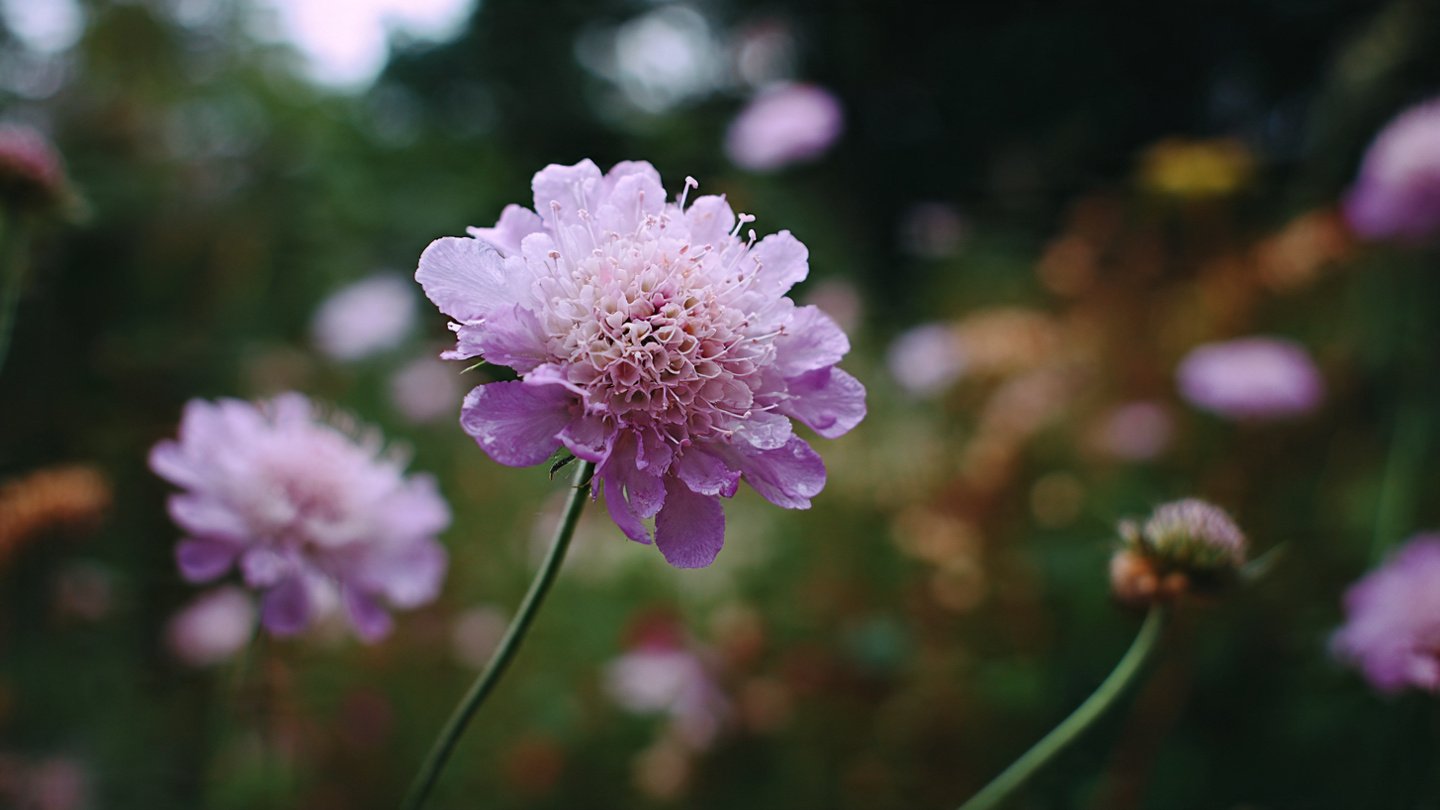
Scabiosa, commonly known as pincushion flower, is a captivating plant that can add beauty and diversity to any garden. Not only does it boast striking, unique flower shapes and vibrant colors, but it also serves as an important resource for pollinators such as bees and butterflies. This article explores how to grow Scabiosa effectively, its benefits to wildlife, and tips for incorporating it into your garden.
Understanding Scabiosa
Species and Varieties
Scabiosa belongs to the family Caprifoliaceae and is native to Europe, parts of Africa, and Asia. There are several species of Scabiosa, with the most popular ones being:
- Scabiosa atropurpurea: Known for its deep purple flowers, this variety blooms from summer to fall and thrives in USDA hardiness zones 3-10.
- Scabiosa caucasica: A perennial species featuring large, pale blue to white flowers, ideal for colder climates.
- Scabiosa columbaria: This variant tends to have smaller flowers and is known for its resilience and drought tolerance.
Characteristics
Scabiosa plants typically have:
- Height: They range from 12 to 36 inches tall, depending on the species and growing conditions.
- Foliage: The leaves are lobed and create a feathery texture, providing an attractive base for the stunning flowers.
- Flowers: The unique pincushion shape attracts pollinators and can come in numerous colors, including shades of blue, purple, pink, and white.

With such variety, Scabiosa can fit into different garden themes, from cottage gardens to modern landscapes.
Benefits of Scabiosa in the Garden
Pollinator Attraction
One of the primary reasons to include Scabiosa in your garden is its ability to attract various pollinators. The flowers produce a plentiful supply of nectar, making them a beloved stop for:
- Bees: Honeybees and bumblebees are especially drawn to the flowers, providing essential pollination services.
- Butterflies: The flat tops of Scabiosa flowers allow butterflies to land and feed easily.
- Other Beneficial Insects: Beyond bees and butterflies, other insects also visit Scabiosa, helping maintain a balanced ecosystem.
Aesthetic Appeal
Scabiosa brings a unique beauty to gardens. The combination of colors, shapes, and textures creates visual interest, especially when paired with other perennials, annuals, and shrubs. Their long-lasting blooms make them suitable for cut flower arrangements, allowing you to enjoy their beauty indoors.
Low Maintenance
Scabiosa is considered relatively low maintenance, making it a great option for both beginner and experienced gardeners. Its drought-resistant nature means it can thrive even in less-than-ideal conditions.
Growing Scabiosa
Planting Location

Choosing the right location in your garden is crucial for the successful growth of Scabiosa:
- Sunlight: Scabiosa thrives in full sun to partial shade. Aim for at least 6 hours of direct sunlight daily.
- Soil: Well-drained, moderately fertile soil is ideal. Amend heavy clay or sandy soils with organic matter to improve drainage and fertility.
Propagation Methods
There are several ways to propagate Scabiosa:
-
Seeds: Scabiosa can be easily started from seeds. You can sow seeds indoors 6-8 weeks before the last frost or directly in the garden after the danger of frost has passed.
-
Transplanting: Purchase young plants from a nursery and transplant them into your garden in the spring or fall.
-
Division: Established plants can be divided every 3-4 years in early spring or fall to encourage healthy growth.
Planting Steps
-
Prepare the Soil: Loosen the soil in the planting area and add compost or organic matter.

-
Spacing: If sowing seeds, scatter them and lightly cover them with soil. For transplants, space plants 12-18 inches apart to allow for proper air circulation and growth.
-
Watering: Water the newly planted seeds or transplants thoroughly and keep them well-watered, especially during dry spells.
Watering and Fertilization
While Scabiosa is drought-tolerant, regular watering will promote healthier plants and better blooms. Water them deeply when the top two inches of soil feel dry.
Fertilizing is generally not necessary unless your soil is particularly poor. A balanced, all-purpose fertilizer can be applied in early spring if desired.
Deadheading and Maintenance
Regular deadheading encourages more blooms and prolongs the flowering period. Simply remove spent flowers by cutting them back to the base of the stem. This not only keeps your plants looking tidy but also prevents seed production if that’s your preference.
Pest and Disease Management
Scabiosa is relatively resistant to pests and diseases. However, keep an eye out for common issues:
-
Aphids: These tiny insects can occasionally infest Scabiosa. Regular inspections and a strong jet of water can dislodge them.

-
Powdery Mildew: Ensure proper air circulation and avoid overhead watering to reduce the risk of powdery mildew.
Winter Care
In colder climates, consider mulching around the base of the plants in late fall to protect the roots during winter. In warmer areas, Scabiosa may continue to grow through the winter but will still appreciate some mulch.
Designing with Scabiosa
Color Combinations
Scabiosa pairs beautifully with a range of other plants. Consider these combinations for an eye-catching display:
- Complementary Colors: Pairing purple Scabiosa with yellow or gold flowers, such as rudbeckia, creates stunning contrast.
- Monochromatic Plantings: A mix of various shades of blue or purple Scabiosa can provide a more soothing tonal effect.
Flower Beds and Borders
Scabiosa works well in flower beds or borders. Their vertical height can provide good structure and interest against lower-growing plants.
Pollinator Gardens
Create a dedicated pollinator garden by including Scabiosa alongside other nectar-rich plants such as:

- Coneflowers
- Black-eyed Susans
- Lavender
These plants attract various pollinators while supporting biodiversity in your garden.
Cut Flower Arrangements
As a cut flower, Scabiosa can be a lovely addition to bouquets. Harvest them in the morning when flowers are fully open and place them in water immediately.
Conclusion
Incorporating Scabiosa into your garden not only enhances its visual appeal but also supports local pollinators, making it a responsible and rewarding choice. With proper care, you can enjoy the delicate blooms and the myriad benefits they bring. Whether you’re creating a pollinator-friendly garden or simply looking to add a touch of elegance, Scabiosa is a versatile and low-maintenance option. Enjoy the beauty and ecological importance of this remarkable plant!