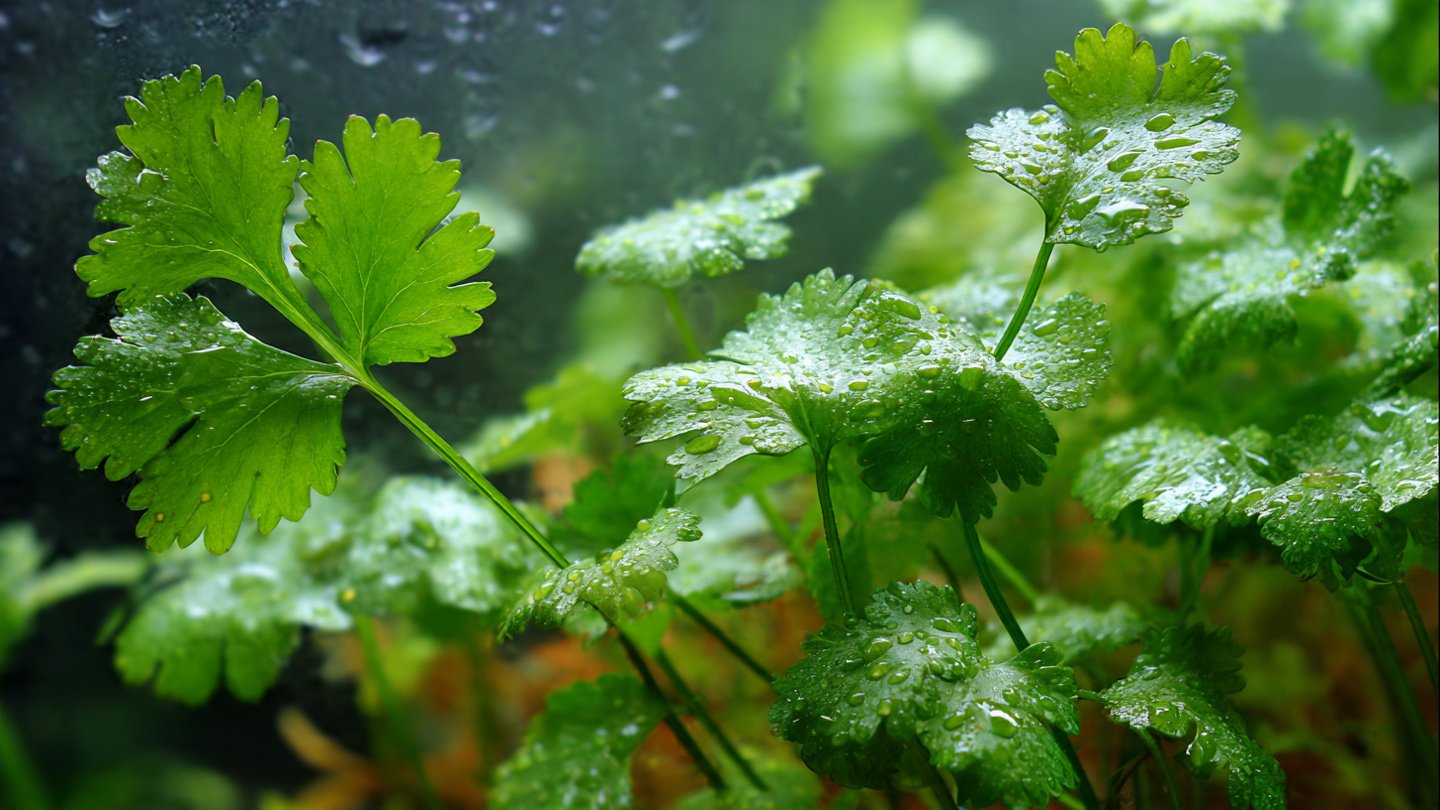
Certainly! Here’s a 1500-word article on how to grow coriander leaves in water indoors:
How to Grow Coriander Leaves in Water Indoors: A Simple Guide for Fresh Herbs Year-Round
Coriander, also known as cilantro, is a popular herb used in various cuisines across the world. Its fresh, citrusy flavor enhances salsas, salads, curries, and a myriad of dishes. However, buying fresh coriander regularly from the market can be expensive, and the herb tends to wilt quickly when not used promptly. Growing coriander leaves indoors in water is an easy, cost-effective way to have fresh herbs on hand all year round, without needing a garden or a sunny balcony. This simple guide will take you through everything you need to know to grow coriander successfully indoors in water.
Why Grow Coriander in Water Indoors?
Growing coriander indoors in water, also known as hydroponic coriander cultivation, offers several advantages:

- Year-round supply: You can enjoy fresh coriander leaves regardless of the season.
- Space-saving: No need for soil or garden space; perfect for small apartments or places without outdoor access.
- Less mess: No soil hassles or garden pests.
- Quick growth: Coriander grows relatively fast in water if properly cared for.
- Cost-effective: Save money by regrowing cuttings or seeds without buying new plants often.
Now, let’s dive into the step-by-step process on how to grow coriander in water indoors.
Materials Needed
To get started, gather the following materials:
- Fresh coriander seeds or coriander cuttings (preferably with roots)
- A clear glass jar, vase, or container
- Clean, lukewarm water
- Window or a spot with indirect sunlight
- Liquid fertilizer (optional but recommended)
- Scissors for trimming
Step 1: Selecting Seeds or Cuttings
You can grow coriander in water from either seeds or cuttings:
- Seeds: Fresh coriander seeds are widely available and the easiest way to grow coriander from scratch. They need soaking and germination.
- Cuttings: If you have a bunch of coriander from the store with intact roots, you can regrow them successfully in water.
For beginners, starting with seeds is often better because you know you’re starting clean and healthy.

Step 2: Preparing the Seeds for Planting
Before placing coriander seeds in water, soak them to encourage germination. Here’s how:
- Take 1-2 tablespoons of coriander seeds.
- Soak the seeds in lukewarm water for 24 hours.
- After soaking, place the seeds on a damp paper towel or cloth to sprout. Keep them in a warm, dark place and mist them with water every day.
Within 2-3 days, the seeds will start sprouting small roots/stems, indicating they are ready for planting.
Step 3: Planting Coriander Seeds or Cuttings in Water
Once you have sprouted seeds or fresh cuttings with roots, it’s time to place them in water:
- Use a clear container like a glass jar so you can monitor root growth and water condition.
- Fill the jar with fresh, lukewarm water, enough to cover the roots but not the leaves or stems to avoid rot.
- Gently place the seeds or cuttings in the jar, ensuring the roots are submerged in water.
- If using seeds, some may float initially. As roots develop, they’ll become waterlogged and sink.
Step 4: Placement and Lighting
Coriander thrives in bright, indirect sunlight. Choose a spot near a window that gets about 4-5 hours of sunlight daily. Avoid direct harsh midday sun as it might scorch the delicate leaves.

If natural light is insufficient, consider using artificial grow lights for 12-16 hours a day to simulate ideal growing conditions.
Step 5: Water Maintenance and Changing Water
The water in the jar should be changed regularly to prevent stagnation, algae growth, and to keep the plant healthy. Change the water every 2-3 days with fresh, lukewarm water.
To give your coriander a nutrient boost, you can add a few drops of liquid organic fertilizer to the water once a week. Follow the instructions on the fertilizer package to avoid overfeeding.
Step 6: Pruning and Harvesting
As the coriander leaves grow, prune them regularly to encourage bushier growth. Use clean scissors to cut the outer leaves about 1-2 inches above the water surface.

Harvest leaves as needed, starting when the plant has grown several inches tall. Regular trimming helps prevent the plant from flowering too soon, which can make the leaves bitter.
Step 7: Troubleshooting Common Problems
- Yellowing leaves: May indicate overwatering or poor light. Ensure only roots are in water and increase light exposure.
- Foul-smelling water: Change water more frequently and clean the container to prevent bacterial growth.
- Leggy stems: Insufficient light causes stems to stretch. Move the plant to a brighter spot or use grow lights.
- Powdery mildew: Rare indoors, but good air circulation helps prevent fungal issues.
Growing Coriander from Cuttings in Water – Detailed Tips
If you are regrowing coriander from cuttings:
- Use fresh bunches with roots intact.
- Remove any damaged leaves.
- Place the cuttings in a jar with roots submerged.
- Change water regularly.
- Once roots grow longer and stronger after 2-3 weeks, you can transplant into soil if desired, or continue growing in water.
Benefits of Growing Coriander Indoors in Water
Growing coriander indoors in water comes with additional benefits:
- Clean air: Coriander can help purify indoor air.
- Aromatherapy: The fresh scent of coriander leaves can boost mood.
- Reduced food waste: Regrow kitchen scraps.
- Learning opportunity: Great for kids to learn about plant growth and responsibility.
Final Tips for Success
- Always use clean containers and fresh water.
- Maintain moderate room temperature (65-75°F or 18-24°C).
- Avoid overexposure to direct sunlight to prevent leaf burn.
- Practice patience – coriander seeds take at least 7-10 days to sprout fully.
- Experiment with different container sizes and shapes for best root space.
Growing coriander leaves in water indoors is a rewarding and practical way to enjoy fresh herbs daily, irrespective of the weather outside. With minimal materials and simple care routines, you can have vibrant, flavorful coriander plants thriving year-round on your windowsill. Give it a try and delight in the taste and aroma of homegrown herbs any time!
If you would like, I can also provide a concise summary or a step-by-step infographic guide for quick reference. Just let me know!