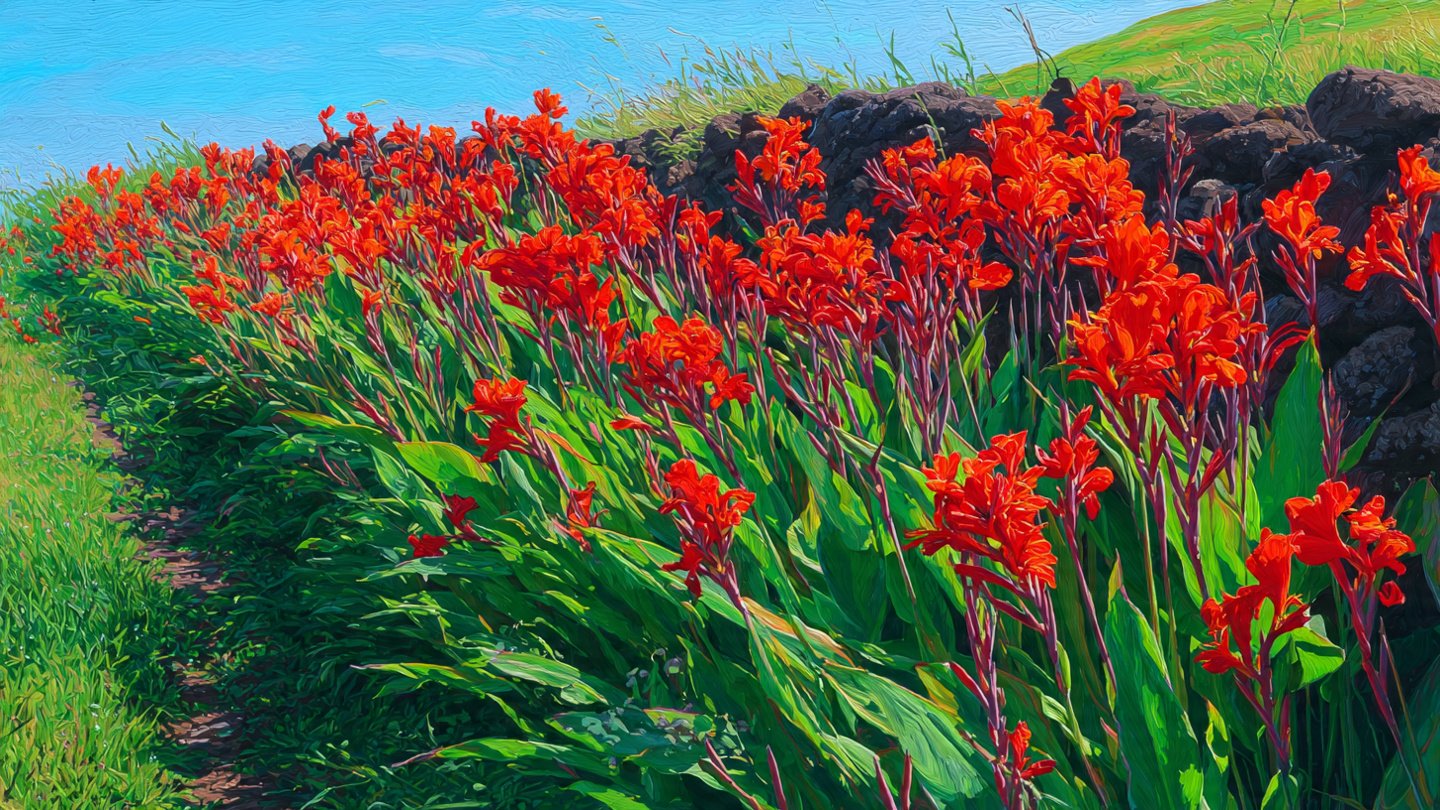
Creating a vibrant landscape not only enhances the aesthetic appeal of your property but also contributes to a soothing and inviting atmosphere. One of the most eye-catching plants that can help you achieve this is the red canna (Canna indica). Known for its lush foliage and striking red flowers, the red canna is easy to grow and maintain, making it an excellent choice for borders and boundaries. Here’s a comprehensive guide on how to create a captivating landscape by growing red canna along your boundary.
Understanding Red Canna
Before diving into the planting and care aspects, let’s understand what red canna is. Originating from tropical regions, canna lilies are not true lilies. They belong to the family Cannaceae. This perennial plant boasts large, paddle-like leaves and vivid red flowers that bloom from mid-summer to fall. Besides their visual appeal, canna plants are also known for their resilience, making them suitable for various climates.
Characteristics of Red Canna
- Height: Red canna can grow between 3 to 6 feet tall, depending on the variety and growing conditions.
- Flowers: The flowers are typically trumpet-shaped, growing in clusters. The intense red color makes them stand out.
- Foliage: The leaves are broad and lush, providing a tropical feel to any landscape.
Planning Your Landscape Design
Choosing the Right Location
The first step in creating a vibrant landscape with red canna is choosing the right location. Here are key considerations:
- Sunlight: Red cannas thrive in full sun (6 to 8 hours of direct sunlight per day). While they can tolerate partial shade, flowering may be reduced.
- Soil Quality: Well-draining, loamy soil is ideal. If your soil is heavy clay or sandy, consider amending it with organic matter like compost to improve drainage and fertility.
- Water Access: Cannas prefer consistently moist soil but do not want to sit in waterlogged conditions.

Designing the Layout
When positioning red canna along your boundary, consider the following design elements:
- Height Variation: Plant taller canna varieties in the back of your boundary and shorter plants in front for a tiered effect.
- Grouping: Group plants in clusters of three to five to create a more natural look. This also enhances visual impact.
- Complementary Plants: Combine red canna with other plants that have contrasting foliage or colors for added interest. Consider ornamental grasses, daylilies, or even shrubs.
Planting Red Canna
Preparing the Soil
- Testing the Soil: Before planting, test your soil pH. Canna plants prefer a pH of 6.0 to 7.5.
- Amending the Soil: If the soil is too acidic or alkaline, adjust it accordingly using lime (to raise pH) or sulfur (to lower pH). Incorporate organic compost to enrich the soil and improve drainage.
Choosing the Right Planting Time

The best time to plant red canna is in the spring after the last frost date in your area. This allows the plants to establish roots and thrive throughout the growing season.
Planting Process
- Digging Holes: Dig holes that are about 4 to 6 inches deep and wide enough to accommodate the canna rhizomes. Space the holes about 2 to 3 feet apart, depending on the variety.
- Adding Fertilizer: Add a balanced slow-release fertilizer to the soil at the bottom of the holes.
- Placing the Rhizomes: Place the canna rhizome in the hole with the eyes facing upward. Cover it with soil and pat down gently.
- Watering: Water the planted area thoroughly to settle the soil around the rhizome.
Caring for Red Canna
Watering
Maintaining the right moisture level is essential for red canna. Here are some tips:
- Initial Watering: After planting, water consistently to keep the soil moist, not soggy.
- Established Plants: Once established, red canna can tolerate some drought but will perform best with regular watering, especially in dry spells.
Fertilizing

Feed your cannas throughout the growing season:
- Spring Feeding: Use a balanced fertilizer when new growth appears in spring.
- Mid-Season Boost: A second application can be added in mid-summer to encourage continued blooming.
Pruning
Cannas do not require extensive pruning; however, removing dead or yellowing leaves can improve aesthetics and reduce disease risk.
- Deadheading: Remove spent flowers to encourage further blooming and prevent the plant from going to seed prematurely.
- Cutting Back: In late fall, after the first frost, cut the plants back to ground level. This helps in maintaining a tidy appearance.
Pests and Diseases
While red canna is generally resilient, they can be susceptible to pests such as aphids and spider mites. Here are some preventative measures:
- Regular Inspection: Check your plants regularly for signs of pests.
- Natural Remedies: Apply insecticidal soap or neem oil to treat infestations.
- Good Hygiene: Remove fallen leaves and debris to minimize disease risk.

Propagating Red Canna
Division of Rhizomes
One of the easiest methods to propagate red canna is through division, typically done in spring or fall. Here’s how:
- Digging Up Rhizomes: Carefully dig up the rhizomes using a garden fork or shovel.
- Dividing: Divide the rhizomes into sections, ensuring each part has at least one eye.
- Replanting: Replant the divisions in suitable locations, as previously described.
Seasonal Care
Winter Care
In colder climates, red canna may not survive freezing temperatures. To protect your plants:
- Digging Up Rhizomes: Before the first frost, dig up the rhizomes and let them dry.
- Storage: Store the rhizomes in a cool, dry place in peat moss or vermiculite until spring.
- Mulching: If you want to leave cannas in the ground, apply a thick layer of mulch to protect them from winter cold.

Spring Replanting
When spring arrives, replant the rhizomes, following the initial planting guidelines.
Additional Tips for Success
- Companion Planting: Consider pairing red canna with other plants such as marigolds or zinnias to attract beneficial insects and deter pests.
- Irrigation Systems: If you have a large area, consider installing a drip irrigation system for consistent moisture.
- Mulching: Apply organic mulch around the plants to retain moisture and suppress weeds.
- Seasonal Interest: To have year-round beauty, integrate other plants that bloom at different times or feature interesting foliage in the off-season.
Conclusion
Growing red canna along your boundary can transform your landscape into a tropical haven filled with vibrant colors and lush foliage. With the right planning, care, and maintenance, you can enjoy the stunning display of these plants for many seasons to come. Whether you are a seasoned gardener or a beginner, the simple steps outline a successful approach to creating a beautiful landscape that everyone will admire. By incorporating red canna into your yard, you’re not just planting flowers; you’re creating an inviting ambiance that enhances your outdoor experience. Happy gardening!