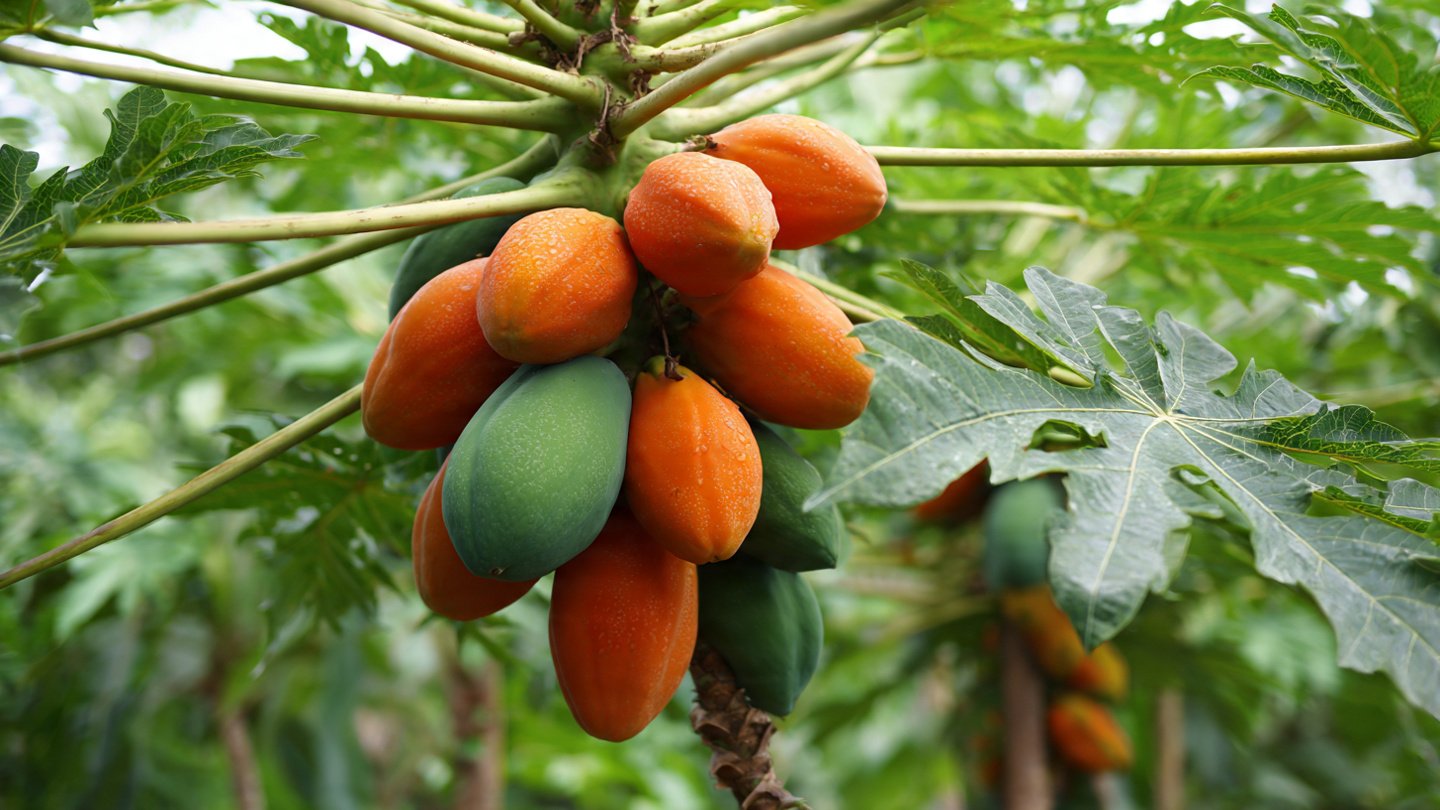
Growing papayas in containers is an exciting endeavor for any gardening enthusiast. These tropical trees can thrive in pots, providing delicious fruit and vibrant foliage without requiring a large garden space. This article outlines the essential tips for successfully cultivating papayas in containers, ensuring an abundant harvest.
1. Understanding Papaya Plants
Papaya (Carica papaya) is a fast-growing tropical plant known for its sweet, fragrant fruit. It thrives in warm climates, making it ideal for container gardening in temperate regions where temperatures can be easily controlled. Papayas can reach heights of 30 feet, but when grown in containers, they typically remain smaller and manageable.
Varieties of Papaya for Containers
Choose a dwarf variety for container gardening, as these hybrids are bred to stay smaller and are perfect for pot culture. Some recommended varieties include:
- Sunrise: This variety produces sweet, orange-fleshed fruit.
- Waimanalo: Known for its disease resistance, this type is excellent for container gardening.
2. Choosing the Right Container
Selecting the appropriate container is vital for the healthy growth of papayas. Here are some factors to consider:
Size
Choose a container that is at least 5-7 gallons in size. Papayas have extensive root systems that require space to grow. A larger container will help prevent root binding and promote healthier growth.

Material
Select a container made from materials such as plastic, clay, or terracotta. While clay pots are more aesthetically pleasing and breathable, plastic containers are lighter and retain moisture better. Ensure that the container has drainage holes to prevent waterlogging.
3. Selecting the Appropriate Soil
The choice of soil is crucial for encouraging healthy growth and fruit production. Papayas prefer well-draining, fertile soil. Here’s how to create the ideal mix:
Soil Composition
- Potting Mix: Start with a high-quality potting mix as a base.
- Perlite or Sand: Add perlite or sand to improve aeration and drainage.
- Organic Matter: Incorporate compost or well-rotted manure to enrich the soil with nutrients.
pH Level
Papayas thrive in a slightly acidic to neutral soil pH (6.0 to 7.0). You can test your soil’s pH with a simple kit available at gardening stores. If needed, amend the soil with lime to raise the pH or sulfur to lower it.
4. Positioning Your Container
Choosing an appropriate location for your papaya container is critical for optimal growth. Papayas require full sun, ideally receiving 6-8 hours of direct sunlight daily. Here are some positioning tips:
Indoors vs. Outdoors

- Outdoors: Place the container in a spot that receives ample sunlight, away from strong winds.
- Indoors: If growing indoors, position your container near a south-facing window or use grow lights to supplement light.
Temperature
Papayas thrive in temperatures between 70°F and 90°F (20°C to 32°C). If you live in a cooler climate, consider moving your plants indoors during cold spells or providing frost protection.
5. Watering Requirements
Proper watering is essential for healthy papaya plants. Papayas need consistent moisture without becoming waterlogged. Here’s how to manage watering:
Watering Schedule
- Frequency: Water your papaya plants deeply but infrequently. Allow the top inch of soil to dry between waterings.
- Signs of Watering Needs: Yellowing leaves or leaf drop may indicate overwatering, while wilting may suggest underwatering.
Draining
Ensure your container has proper drainage to prevent root rot. Elevating the pot slightly can also improve drainage and airflow.
6. Fertilizing for Optimal Growth
To achieve healthy papaya plants, regular fertilization is essential. Papayas are heavy feeders and benefit from a balanced fertilizer.

Type of Fertilizer
- Slow-Release Granular Fertilizer: Use a balanced 10-10-10 NPK fertilizer every 6-8 weeks during the growing season.
- Liquid Fertilizer: Consider switching to a liquid fertilizer every two weeks during peak growth.
Micronutrients
Papayas require micronutrients like magnesium and calcium, which can be supplied through the application of epsom salt or lime. Be cautious not to over-fertilize, as this can cause nutrient burn.
7. Pruning and Maintenance
Pruning encourages a healthy shape and can help control plant size. Here’s how to effectively prune your papaya:
Pruning Techniques
- Remove Dead Leaves: Trim yellowing or dead leaves to improve airflow and reduce disease risks.
- Limit Height: If your papaya becomes too tall, prune the main stem to encourage branching and a bushier growth habit.
Pest and Disease Management
Watch for common pests like aphids, spider mites, and whiteflies. Use insecticidal soap or insect neem oil for control. Additionally, be on the lookout for diseases, particularly fungal issues related to overwatering or humidity.

8. Pollination and Fruit Development
Most papaya plants can bear fruit without pollination; however, a mix of male and female plants will yield better results.
Identifying Gender
- Male Plants: Produce small, tubular flowers that do not bear fruit.
- Female Plants: Have larger, bulbous flowers that develop fruit.
Hand Pollination
In the absence of male plants, you can hand-pollinate by transferring pollen from male flowers to female flowers.
9. Harvesting Your Papayas
Once you’ve successfully grown your papayas, it’s time to enjoy the fruits of your labor! Here’s how to determine when your fruits are ready to be harvested:
Indicators of Ripeness
- Color Change: Papayas turn from green to yellow or golden when ripe.
- Softness: Gently pressing the fruit should reveal slight softness.
- Aroma: Ripe papayas have a sweet, fragrant aroma.

Harvesting Technique
Use a sharp knife to cut the papaya from the stem. Be careful to avoid damaging the plant, which could affect future fruit production.
10. Seasonal Care
Papayas can be sensitive to changing seasons, so be prepared for seasonal care adjustments:
Winter Care
If you live in a region with cold winters, consider bringing your containers indoors or surrounding them with protective materials. Reduce watering and fertilization during dormancy.
Summer Care
During the summer months, ensure your papayas receive adequate water and monitor for pests, as they can become more prevalent in warmer weather.
Conclusion
Growing papayas in containers is a rewarding experience that can yield flavorful fruit while adding lush greenery to your space. By following these essential tips— from selecting the right container and soil, providing adequate light and water, to managing pests and harvest—you can cultivate thriving papaya plants that bring sweetness to your garden.
Embark on this tropical gardening journey and enjoy the satisfaction of growing your fresh papayas right at home! Whether you’re a novice gardener or a seasoned horticulturist, these tips will help ensure your papaya plants flourish in containers. Happy gardening!