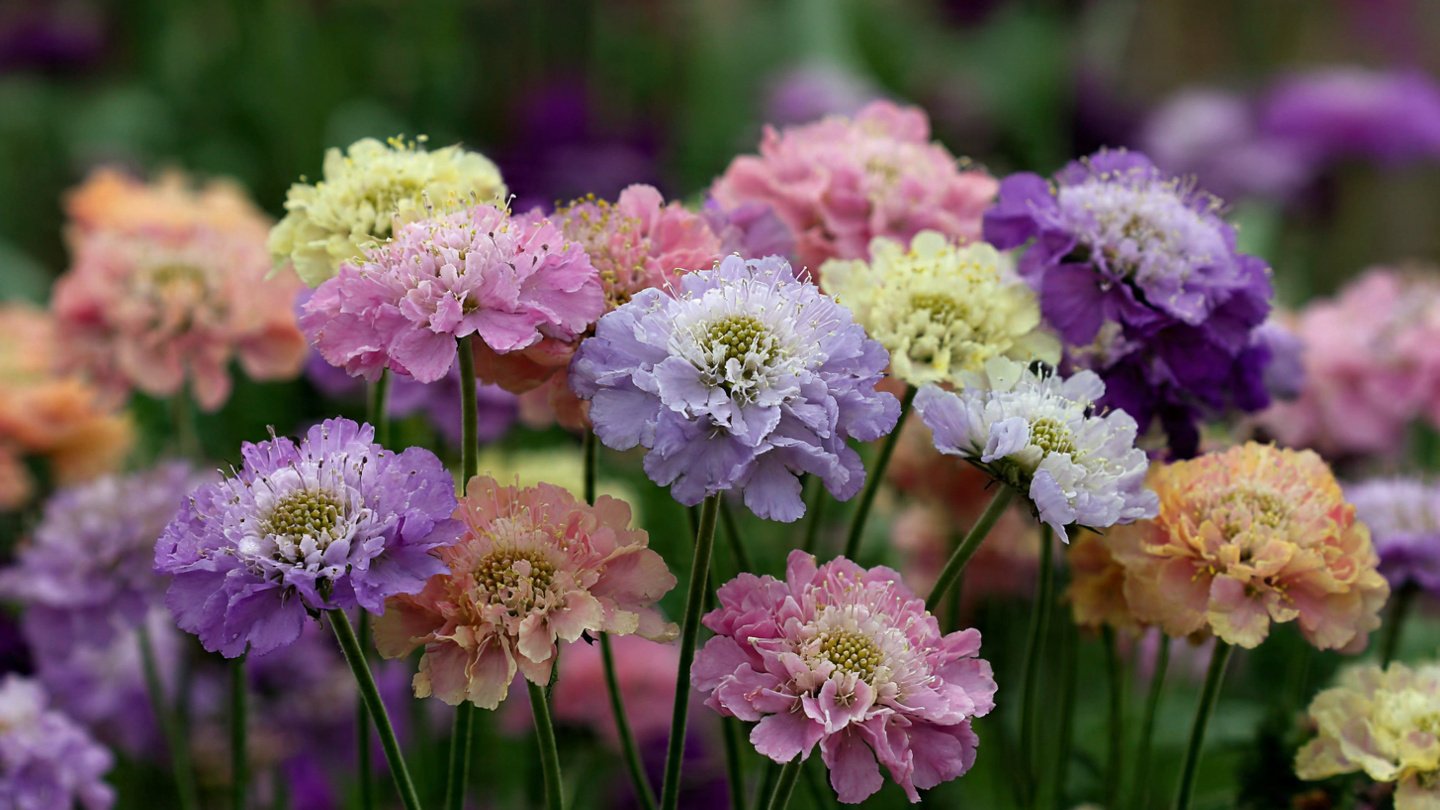
How to Grow Scabiosa in Beautiful Pastel Colors for a Stunning Garden Display
Creating a garden display filled with beautiful pastel colors can transform any outdoor space into a serene and picturesque sanctuary. One of the most charming plants to consider for this palette is Scabiosa, also known as pincushion flower. With its delicate blooms and ability to thrive in various conditions, Scabiosa not only enhances the aesthetics of your garden but also attracts pollinators, making it a practical choice for any gardener. This article will guide you through the essentials of growing Scabiosa, emphasizing the nuances of pastel colors, care requirements, and design tips.
Understanding Scabiosa
Scabiosa belongs to the Caprifoliaceae family and features a distinctive flower shape that resembles a pincushion, hence its alternative name. The blooms come in a variety of colors, including pale pink, lavender, and soft blue, making them ideal candidates for creating a soothing garden palette. Scabiosa also boasts a long blooming period, typically from summer into fall, contributing to the continuous allure of your garden.
Varieties of Scabiosa
Several Scabiosa species and hybrids are popular among gardeners. Here are a few notable pastel options:
- Scabiosa caucasica – This variety features light blue flowers and has a slightly taller stature, making it excellent for the back of flower beds.
- Scabiosa atropurpurea – Known as the black and blue pincushion flower, it typically blooms in soft lavender and pastel purple hues, adding depth to your arrangement.
- Scabiosa columbaria – This variety produces smaller blooms in shades of pastel pink and is a favorite among pollinators.
- Scabiosa ‘Pink Mist’ – A hybrid that displays lovely pastel pink flowers ideal for borders or container planting.
- Scabiosa ‘Fama’ Series – These newer hybrids produce large blooms in soft pink, blush, and even creamy white shades.
Site Selection and Soil Preparation
Choosing the Right Location
Scabiosa thrives in full sun to partial shade, though full sun is preferred for optimal blooming. Select a location in your garden that receives at least six hours of direct sunlight per day. This is crucial for promoting healthy growth and abundant flower production.

Soil Requirements
Scabiosa prefers well-draining soil with a pH between 6.0 and 7.0. To prepare your soil:
- Test the Soil – Use a soil test kit to determine pH and nutrient levels.
- Improve Drainage – If your soil is heavy clay, amend it with organic matter like compost or aged manure to enhance drainage.
- Add Nutrients – Generally, Scabiosa doesn’t require heavy fertilization, but a balanced, slow-release fertilizer can be mixed into the soil at planting time to provide an initial nutrient boost.
Planting Scabiosa
When to Plant
Scabiosa can be started from seeds, transplants, or divisions. If you are planting seeds directly in the garden, the best time is in spring after the last frost. If you want to start them indoors, sow seeds 6 to 8 weeks prior to the last expected frost and transplant seedlings outdoors once they develop a few leaves.
Steps for Planting

- Seed Preparation – If you’re using seeds, soak them in water for a few hours before planting to improve germination rates.
- Spacing – Space seeds or transplants about 12 to 18 inches apart to allow room for growth while ensuring proper air circulation.
- Planting Depth – Sow seeds just below the soil surface or plant transplants at the same depth they were in their pots.
- Watering – After planting, water the area thoroughly to settle the soil. Keep the soil moist but not soggy as the seeds germinate.
Caring for Scabiosa
Watering
While Scabiosa is relatively drought-tolerant once established, it requires regular watering during dry spells, particularly in the first year after planting. The soil should be kept damp but not waterlogged. Make sure to water at the base to avoid wetting the leaves, which can lead to fungal diseases.
Fertilization
If you’ve added compost to your soil, Scabiosa will likely not need much additional fertilization. However, a light application of balanced fertilizer in early spring can promote stronger, healthier plants.
Deadheading

To encourage continuous blooming, deadhead spent flowers regularly. This practice not only improves appearance but also redirects energy back into new growth and blooms.
Pest and Disease Management
Scabiosa is generally resistant to pests and diseases, but it can occasionally encounter issues such as aphids and powdery mildew. Keep a close eye on your plants:
- Aphids can generally be controlled by introducing beneficial insects like ladybugs or by spraying with insecticidal soap.
- Powdery Mildew can be avoided through proper spacing for airflow and avoiding overhead watering. If it appears, treat it immediately with appropriate fungicides or natural remedies.
Harvesting Scabiosa Flowers
Scabiosa flowers make lovely cut flowers, adding a soft touch to arrangements. For best results:
- Harvesting Time – Cut flowers when they are in full bloom. Early morning or late afternoon when temperatures are cooler is often the best time.
- Cutting Technique – Use sharp, clean shears to cut stems at a 45-degree angle, ideally bringing a small vase of water to place them in immediately. This helps to prevent air bubbles in the stems, which can hinder hydration.
- Post-Harvest Care – Remove lower leaves to prevent decay in the water and keep the stems in a cool environment until you arrange them.
Designing with Scabiosa
Scabiosa is versatile and can be used in various garden designs:
- Cottage Gardens: Pair Scabiosa with other pastel flowers like Delphiniums, Foxgloves, and pastel roses for a romantic and whimsical effect.
- Borders: Plant them in rows as part of a mixed border, allowing their height and texture to create a naturalistic feel.
- Containers: Scabiosa does well in containers. Combine them with other complementary colors, such as white or lavender, to create stunning container displays.
- Wildlife Gardens: Their attractiveness to butterflies and bees makes them ideal for pollinator gardens, enhancing biodiversity in your yard.
Seasonal Considerations
Winter Care

In colder climates, Scabiosa can be treated as a perennial, and taking precautions is essential. Mulching around the base in late fall will protect the roots from freezing temperatures. In milder climates, Scabiosa may survive but can benefit from a light mulch to retain moisture.
Spring Renewal
As spring arrives, assess your Scabiosa for overwintering health. Trim back any dead foliage to make way for new growth. This revitalization process helps ensure that your plants produce plentiful blooms throughout the growing season.
Conclusion
Incorporating Scabiosa into your garden can enhance both its beauty and ecological health. With their stunning pastel flowers, these versatile plants offer a tranquil touch to your landscape. By adhering to the guidelines outlined in this article, you’ll be well-equipped to nurture Scabiosa plants and cultivate a stunning garden display that invites both admiration and joy. Whether you are an experienced gardener or a novice, growing Scabiosa is a rewarding endeavor that pays off in gorgeous blooms and a flourishing garden environment.