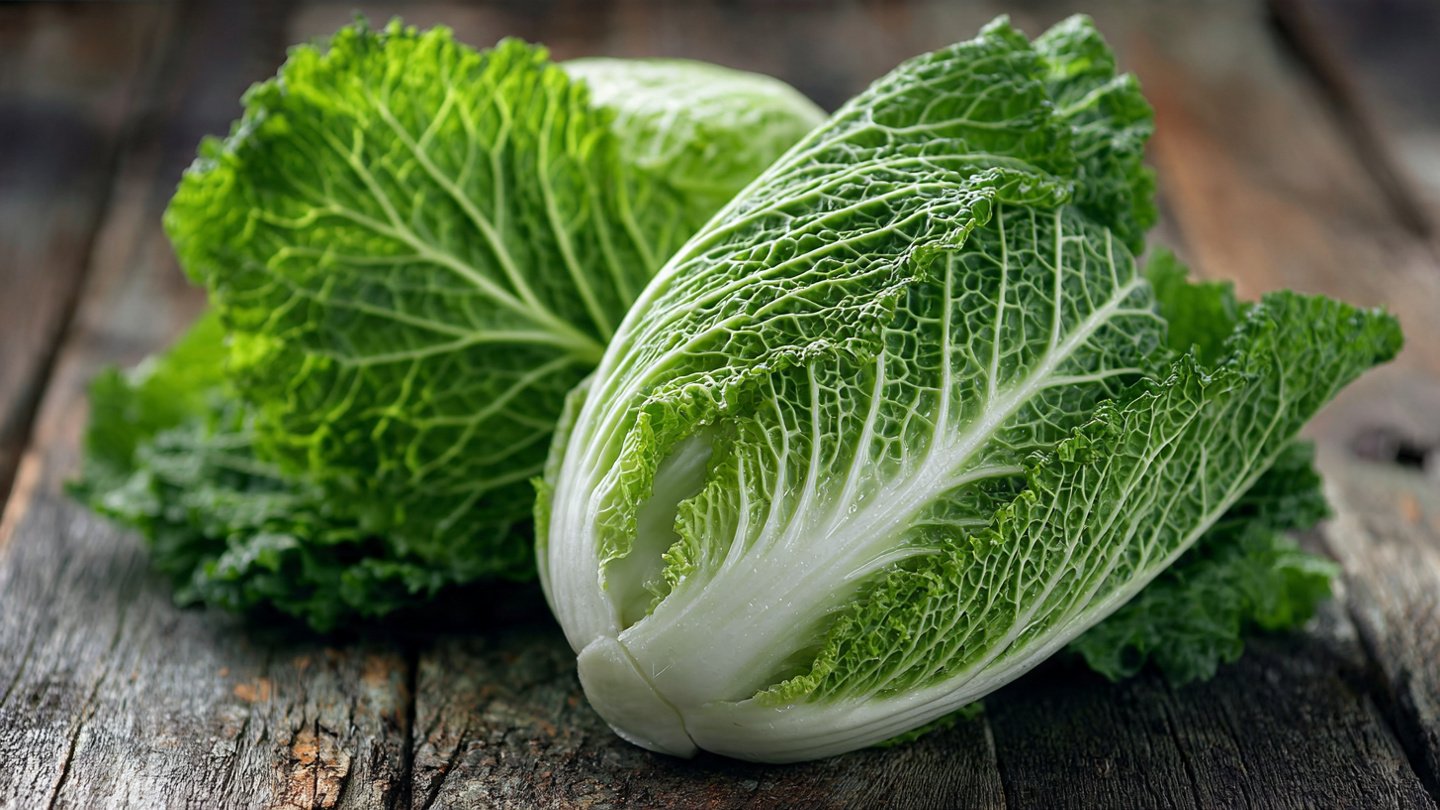
Napa cabbage, also known as Chinese cabbage, is a versatile and nutritious vegetable that is a staple in Asian cuisine. With its crisp leaves and mild flavor, it can be used in salads, stir-fries, and fermented dishes like kimchi. However, one common concern among gardeners is the issue of splitting. In this article, we will explore the factors that contribute to splitting in Napa cabbage, how to prevent it, and tips for successful cultivation.
Understanding Napa Cabbage
Napa cabbage (Brassica rapa var. pekinensis) is distinct from other types of cabbage due to its elongated shape, wrinkled leaves, and pale green color. It thrives in cooler climates and is typically grown as a cool-season crop. Proper cultivation practices can lead to healthy and robust plants, but when conditions are not optimal, splitting can occur, often leading to a loss of both yield and quality.
The Causes of Splitting
Understanding the causes of splitting in Napa cabbage is crucial for gardeners looking to grow this vegetable successfully. Several factors can lead to splitting:
-
Rapid Growth: One of the primary reasons Napa cabbage splits is rapid growth due to fluctuating moisture levels or a sudden surge in nutrients. When plants receive a heavy dose of water or fertilizer after a period of drought, the internal pressure can cause the cabbage to split.
-
Inconsistent Watering: Napa cabbage requires consistent moisture to develop properly. Inconsistent watering—alternating between dry and wet conditions—can stress the plant and lead to splitting.
-
Temperature Fluctuations: Sudden changes in temperature can adversely affect Napa cabbage. Warm days followed by cool nights can stress the plant and contribute to splitting.

-
Genetic Factors: Certain varieties of Napa cabbage are more prone to splitting than others. Understanding the characteristics of the specific cultivar you are growing can help predict its tendency to split.
-
Pest and Disease Pressure: Pests such as aphids or diseases like downy mildew can weaken the plant, making it more susceptible to splitting.
Strategies for Preventing Splitting
While it may seem daunting, there are several strategies gardeners can employ to successfully grow Napa cabbage without splitting.
1. Choose the Right Variety
Selecting the appropriate cultivar is essential for preventing splitting. Some varieties are bred for greater resistance to splitting, while others may have a shorter growth cycle. Research local recommendations or consult seed catalogs to find varieties that are known to perform well in your area.
2. Ensure Consistent Moisture Levels
One of the most effective ways to prevent splitting is to maintain consistent soil moisture levels. Here are some tips:
-
Regular Watering: Water your plants deeply and regularly, ensuring the soil remains consistently moist but well-draining. This helps avoid the extremes that can lead to splitting.
-
Mulching: Apply a layer of organic mulch around your plants to retain moisture and regulate soil temperature.
-
Drip Irrigation: Consider using drip irrigation to provide even moisture to your plants. This method reduces water loss through evaporation and ensures that each plant receives the same amount of water.

3. Fertilization Practices
Fertilization can directly influence the growth and stability of Napa cabbage. Here’s how to manage it effectively:
-
Balanced Fertilizers: Use fertilizers that have a balanced N-P-K ratio (nitrogen, phosphorus, potassium). High nitrogen levels can promote rapid leaf growth, increasing the risk of splitting.
-
Slow-Release Fertilizers: Consider using slow-release fertilizers that provide nutrients gradually, allowing plants to grow steadily rather than experiencing sudden growth spurts.
4. Temperature Management

Control over temperature fluctuations can help mitigate stress on your Napa cabbage:
-
Planting Time: Timing your planting can greatly affect the temperature and growth conditions. Early spring or late summer planting can help avoid the extremes of summer heat and fall frost.
-
Row Covers: Use row covers to protect plants from unexpected temperature drops and to moderate heat during warm spells.
5. Proper Spacing
Providing adequate space between plants can reduce competition for resources, allowing each cabbage to grow more uniformly. A spacing of 12-18 inches between plants is generally recommended. Adequate spacing enhances airflow, reducing the risk of pest issues and diseases that can contribute to stress and splitting.
6. Pest and Disease Control
Maintaining healthy plants is critical to preventing splitting. Integrated Pest Management (IPM) strategies can be beneficial:
-
Regular Monitoring: Keep an eye on your plants for signs of pests and diseases. Early detection is crucial for effective management.

-
Natural Predators: Encourage beneficial insects such as ladybugs and lacewings that naturally control pest populations.
-
Crop Rotation: Rotate your crops each year to break pest and disease cycles. Avoid planting Napa cabbage in the same location more than once every three years.
7. Harvesting Techniques
Timing your harvest correctly can also help prevent splitting. Napa cabbage is usually ready to harvest when the heads feel firm and dense:
-
Check Firmness: Gently squeeze the head to check for firmness. If the head has grown too large or feels soft, it may be at risk of splitting.
-
Harvesting Method: Use a sharp knife to cut the cabbage at the base, avoiding unnecessary trauma to the plant. Harvesting early ensures a better quality yield and can prevent splitting.
8. Post-Harvest Care
Once harvested, proper handling and storage of Napa cabbage can extend its shelf life and maintain quality:

-
Cool Storage: Store Napa cabbage in a cool, moist environment to prevent wilting and maintain crispness.
-
Avoid Wet Conditions: Excess moisture in storage can lead to decay and splitting. Ensure your storage area has good airflow.
Conclusion
Growing Napa cabbage without splitting is certainly possible, but it requires attention to detail and an understanding of the various factors involved in successful cultivation. By following the strategies outlined in this article—choosing the right variety, ensuring consistent moisture, managing fertilization, controlling temperatures, spacing plants adequately, implementing pest management techniques, timing your harvest, and employing proper post-harvest care—you can look forward to a productive and fulfilling gardening experience.
In the world of home gardening, every challenge presents an opportunity to learn and adapt. By actively addressing the issue of splitting in Napa cabbage, gardeners can enjoy the rewards of their labor with bountiful, healthy crops. Happy gardening!