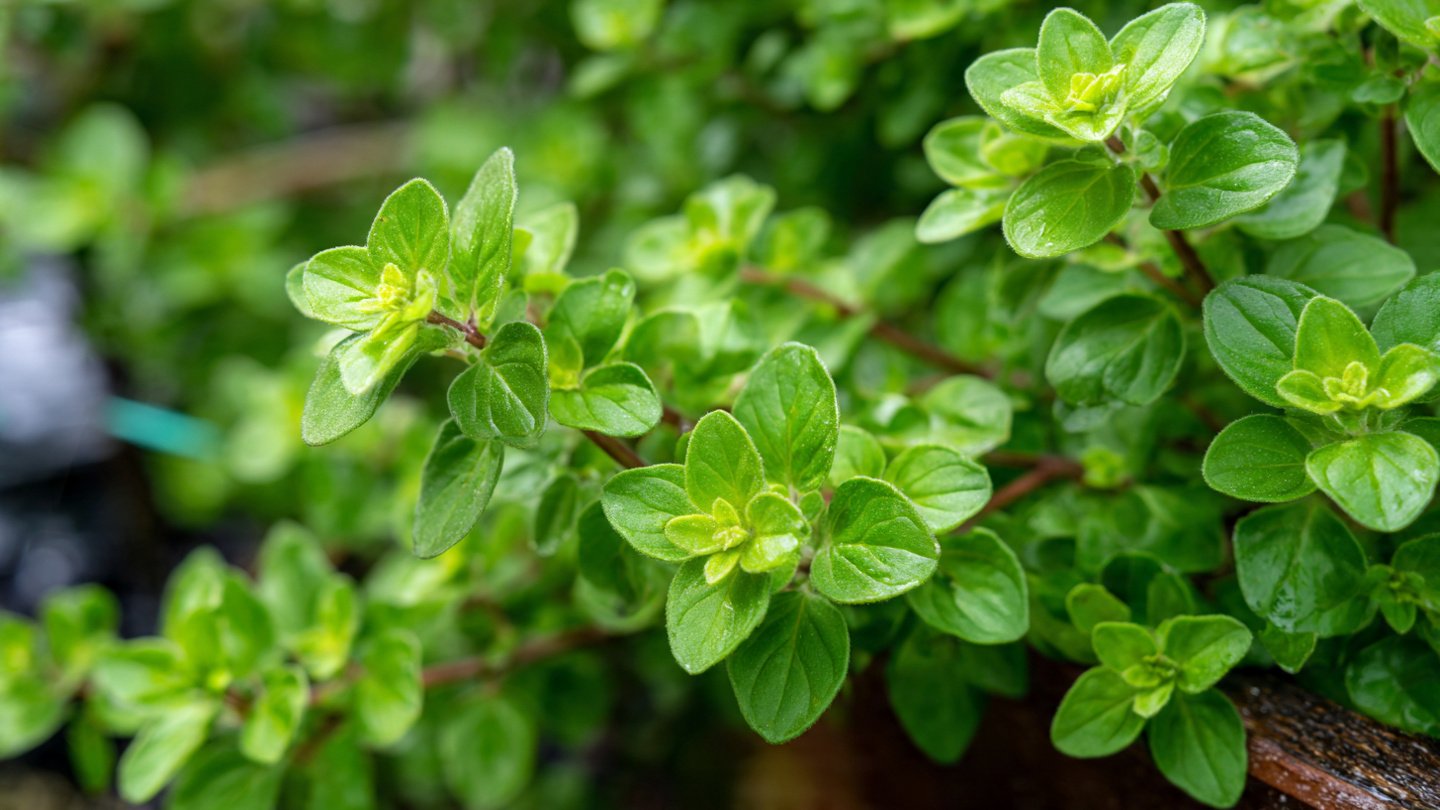
Oregano is a beloved herb in many kitchens around the world, cherished for its distinctive aromatic flavor and culinary versatility. But beyond its delicious taste, oregano—especially the bushy variety—can be a wonderful addition to any garden. When cared for organically, bushy oregano not only flourishes in your garden but also contributes to an eco-friendly and thriving environment. Mastering the organic care method for bushy oregano can bring you bountiful harvests and a healthy garden ecosystem. In this article, we will explore detailed insights and effective practices for nurturing bushy oregano organically.
Understanding Bushy Oregano: A Brief Overview
Bushy oregano, also known as Origanum vulgare ‘Aureum’ or Origanum vulgare ‘Compactum’, is a perennial herb valued for its bushy growth habit and dense foliage. It produces vibrant green leaves that can sometimes have a hint of yellow, depending on the variety. This oregano type is particularly favored in organic gardens for its ability to thrive with minimal intervention, making it an excellent candidate for gardeners who prioritize natural growing methods.
Why Choose Organic Care for Bushy Oregano?
Incorporating organic care in your oregano garden means avoiding synthetic fertilizers, pesticides, and genetically modified strategies. Organic gardening promotes sustainability, soil health, and biodiversity. For bushy oregano, organic care methods help:
- Enhance Soil Fertility Naturally: Organic matter improves soil structure and nutrient content.
- Prevent Harmful Chemical Buildup: Avoiding synthetic chemicals keeps the soil and plants free from toxins.
- Promote Beneficial Microorganisms: Organic methods foster soil microbes that help nutrient uptake and disease resistance.
- Ensure Healthier and Safer Herbs: Organic oregano is free of pesticide residues, perfect for culinary use.
Step-by-Step Guide to Mastering Organic Care for Bushy Oregano
1. Selecting the Right Location

Oregano thrives best in warm, sunny locations with well-draining soil. Choose a spot in your garden that receives at least 6 to 8 hours of direct sunlight daily. Ensure the soil is loamy or sandy, as oregano does not tolerate overly wet or clay-heavy soils.
2. Preparing the Soil Organically
Healthy soil is the foundation for thriving oregano plants. Before planting, enrich the soil with organic compost or well-rotted manure. These organic amendments improve soil fertility and texture, providing a rich substrate for oregano roots.
- Compost: Use high-quality compost rich in nutrients.
- Manure: Apply aged manure carefully to avoid burning young plants.
- Mulching: Once planted, apply a light mulch of organic materials such as straw, shredded leaves, or grass clippings to retain moisture and suppress weeds.
3. Propagating Bushy Oregano Organically
Propagation can be done from seeds, cuttings, or by dividing mature plants.
- Seed Sowing: Sow oregano seeds in early spring indoors or directly in the garden after the danger of frost has passed. Use organic seed-starting mix to ensure no chemical residues.
- Cuttings: Take 4-6 inch cuttings from healthy oregano plants and root them in moist, organic potting soil.
- Division: Mature oregano plants can be divided in early spring or fall by gently separating root clumps.

4. Watering Techniques
Oregano is drought-tolerant but benefits from consistent watering, especially during dry spells. Adopt organic watering practices by:
- Using rainwater collection systems or natural sources.
- Watering early in the morning or late in the evening to reduce evaporation.
- Avoiding overhead watering to minimize leaf diseases; use drip irrigation or water at the base of plants.
5. Organic Fertilization
Avoid synthetic fertilizers in favor of natural nutrient sources. Organic fertilizers improve soil health and feed oregano plants over time.
- Compost Tea: Brewed from compost, this liquid fertilizer provides essential nutrients and beneficial microbes.
- Fish Emulsion: A gentle, natural fertilizer rich in nitrogen and other nutrients.
- Seaweed Extract: Enhances plant growth and resilience.
Apply these organic fertilizers monthly during the growing season.

6. Pruning and Harvesting for Bushiness
Regular pruning encourages bushier growth and prevents legginess.
- Pinching: Pinch back the tips of young oregano plants to stimulate branching.
- Harvesting: Harvest leaves frequently by snipping just above leaf nodes. This not only provides fresh herbs but also promotes thicker plant growth.
Harvesting in the morning after dew evaporates ensures the highest essential oil content for better flavor.
7. Pest and Disease Management Organically
Oregano generally resists many pests due to its strong aroma, but occasional issues may arise.
- Natural Pest Control: Introduce beneficial insects like ladybugs and lacewings that prey on aphids and other pests.
- Neem Oil: A natural pesticide that controls many common garden pests without harming beneficial insects.
- Companion Planting: Plant oregano near tomatoes, basil, or peppers to deter unwanted insects.
- Good Hygiene: Remove diseased leaves promptly and avoid overcrowding to improve air circulation.

8. Winter Care
Bushy oregano is hardy but requires some protection in colder climates.
- Apply a thick layer of organic mulch around the base in late fall.
- In extremely cold areas, consider bringing pots indoors or providing garden cloches or covers.
Additional Tips for Thriving Organic Oregano Gardens
- Rotate Crops: Avoid planting oregano in the same spot year after year to prevent soil depletion and disease buildup.
- Use Organic Seeds: Starting with certified organic seeds ensures no chemical treatments.
- Monitor Soil pH: Oregano prefers slightly acidic to neutral soil (pH 6.0-7.0). Use organic amendments like lime or sulfur if necessary to adjust pH naturally.
- Avoid Overwatering: Excess moisture can cause root rot; always let soil dry slightly between waterings.
- Encourage Pollinators: Flowers of oregano attract bees and other pollinators, promoting biodiversity.
Benefits of Growing Bushy Oregano Organically in Your Garden
- Enhanced Flavor: Organic care results in more flavorful and aromatic leaves.
- Healthier Plants: Strong, pest-resistant plants lead to better yields.
- Eco-Friendly Gardening: Reduces chemical runoff and supports local wildlife.
- Sustainability: Builds healthy soil for long-term garden productivity.

Troubleshooting Common Problems Organically
Yellowing Leaves
Yellow leaves might indicate nutrient deficiencies or overwatering. Check soil moisture, avoid waterlogging, and amend with organic fertilizers rich in nitrogen if needed.
Leggy Growth
Lack of sufficient sunlight or irregular pruning can cause legginess. Ensure 6-8 hours of sunlight and practice regular pinching and harvesting.
Pest Infestation
Aphids or spider mites might appear occasionally. Use neem oil, insecticidal soap, or companion planting to keep pests under control.
Conclusion
Mastering the organic care method for bushy oregano plants is both rewarding and beneficial for your garden environment. By selecting the right location, enriching soil organically, watering wisely, providing natural fertilization, and managing pests without chemicals, you can cultivate a lush, fragrant oregano bush that thrives year-round. Organic gardening not only enhances the quality of your herbs but also contributes to sustainable, eco-friendly practices that enrich your entire garden ecosystem. With patience and consistent care, your bushy oregano can become a cornerstone of your thriving organic garden, providing fresh, flavorful leaves for many seasons to come. Happy gardening!