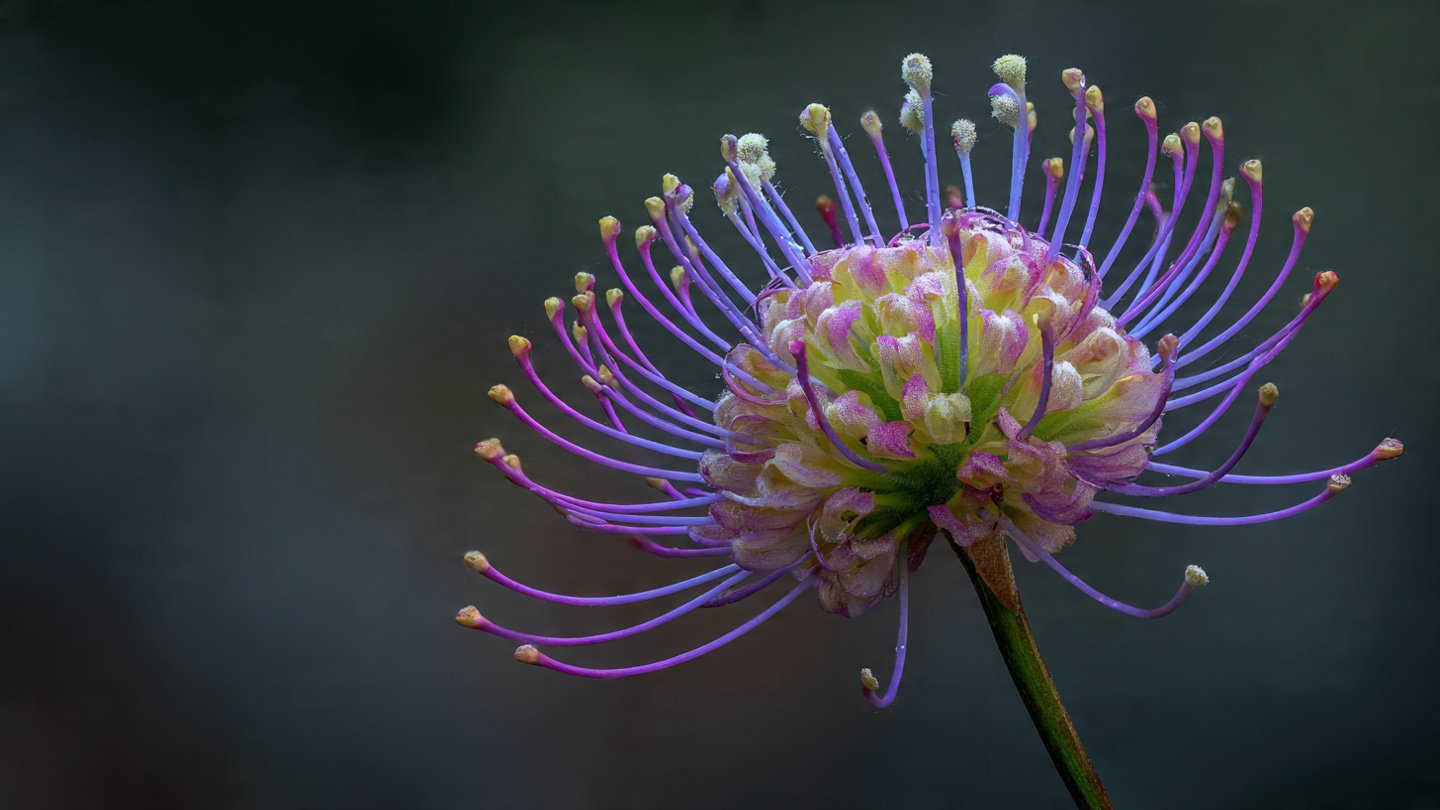
The Pincushion Flower, scientifically known as Scabiosa, is a vibrant and delightful addition to any garden. Characterized by its unique, pincushion-like blooms and the ability to attract pollinators, this perennial is a favorite among gardeners. If you’re eager to learn how to grow tall Pincushion Flowers, this comprehensive guide will outline the essential tips and techniques that will help you achieve success.
Understanding the Pincushion Flower
Before diving into the methods for cultivating tall Pincushion Flowers, it’s crucial to understand the plant’s basic characteristics. Here are a few key points:
- Species: The most common species, Scabiosa caucasica, typically reaches heights of 1-3 feet.
- Blooming Season: They usually bloom from late spring through early fall.
- Colors: Flowers come in shades of blue, purple, pink, and white.
- Pollinators: Pincushion Flowers attract bees, butterflies, and other beneficial insects, making them invaluable for pollinator gardens.
Choosing the Right Environment
1. Optimal Location
To achieve the best growth, choose a sunny location that receives at least 6 hours of direct sunlight daily. While the Pincushion Flower can tolerate partial shade, it will thrive and produce more blooms in full sun.
2. Soil Requirements
A well-draining soil mix is crucial for healthy Pincushion Flowers. They prefer sandy or loamy soil rich in organic matter. The pH should be neutral to slightly alkaline (around 6.0 to 7.5).
3. Spacing

If you’re planting multiple Pincushion Flowers, ensure adequate spacing. A distance of 12-18 inches between plants encourages healthy air circulation and prevents the spread of diseases.
Preparing the Soil
Before planting your Pincushion Flowers, it is essential to prepare the soil properly.
1. Soil Testing
Conduct a soil test to assess its pH and nutrient levels. This information is invaluable for making soil amendments.
2. Amendments
If needed, amend your soil to reach the optimal pH range. Incorporate well-rotted compost or aged manure to enhance soil fertility and drainage.
3. Tilling
Loosen the soil by tilling it to a depth of at least 10-12 inches. This allows roots to penetrate easier and improves aeration.
Planting Your Pincushion Flower
Once the soil preparation is complete, it’s time to plant your Pincushion Flowers.
1. Timing
The best time to plant Pincushion Flowers is in the spring after the last frost, or in the fall when temperatures are mild.

2. Planting Technique
- Dig a hole that is slightly larger than the plant’s root ball.
- Gently place the plant in the hole, ensuring that the crown of the plant is level with the soil surface.
- Backfill the hole with soil and press down gently to eliminate air pockets.
3. Watering
After planting, water the area thoroughly. Ensure the soil is consistently moist but not waterlogged. Applying a layer of mulch around the plants can help retain moisture and suppress weeds.
Caring for Your Pincushion Flower
Proper care is crucial for the healthy growth of Pincushion Flowers. Here are essential care tips:
1. Watering
Water your Pincushion Flowers regularly, especially during dry periods. However, avoid overwatering, as this can lead to root rot. Allow the top inch of soil to dry out before the next watering.
2. Fertilization
Fertilizing is essential for nutrient uptake. Use a balanced, slow-release fertilizer in early spring. Avoid excessive nitrogen, as it may lead to lush foliage at the expense of blooms.
3. Deadheading

Regular deadheading encourages further blooming. Once the flowers fade, promptly remove them to allow the plant to focus its energy on producing new blooms.
4. Pruning
In late fall or early spring, cut back the spent foliage. This helps promote healthy new growth in the spring.
Pest and Disease Management
Pincushion Flowers are generally resistant to pests and diseases. However, monitoring for potential issues is vital.
1. Common Pests
- Aphids: These small, soft-bodied insects can infest plants and cause stunted growth. Control them with insecticidal soap or by introducing natural predators like ladybugs.
- Spider Mites: Dusty foliage is a sign of spider mite infestations. Wash plants with a strong jet of water.
2. Diseases
- Powdery Mildew: This fungal disease manifests as a white powdery substance on leaves. Improve air circulation and avoid overhead watering to prevent outbreaks.
- Root Rot: Often caused by overwatering. Ensure proper drainage and only water when necessary.
Supporting Tall Growth
If your goal is to grow tall Pincushion Flowers, consider the following techniques:

1. Choosing Tall Varieties
Select specific varieties that are known for their height, such as Scabiosa caucasica. Research and choose cultivars that align with your desired garden aesthetic.
2. Staking
For exceptionally tall varieties, consider staking the plants. Use bamboo stakes or other supports to help them stay upright and prevent tipping, particularly in windy conditions.
3. Pinching Back
In the early stages of growth, pinch back the tips of young plants. This encourages bushier growth and promotes taller flower spikes.
Companion Planting
Pincushion Flowers thrive when planted alongside other complementary plants. The following companion plants can create an aesthetically pleasing and beneficial garden environment:
1. Lavender
The fragrant blooms of lavender not only attract pollinators but also deter pests from your Pincushion Flowers.
2. Salvia
Salvia plants, known for their vibrant colors, are excellent companions, providing contrasting shapes and colors while being appealing to pollinators.
3. Echinacea

Another popular perennial, Echinacea, pairs well with Pincushion Flowers. Their overlapping bloom times ensure that your garden remains vibrant throughout the growing season.
Harvesting and Using Pincushion Flowers
Once your Pincushion Flowers bloom, consider harvesting them for arrangements or bouquets.
1. Timing
Cut flowers in the morning when temperatures are cool for optimal freshness.
2. Length of Stems
Harvest stems that are at least 12 inches long. Use sharp scissors or shears to make a clean cut.
3. Preserving Blooms
Place freshly cut flowers in a vase with room-temperature water immediately. Trim the stems diagonally under water to prolong their life.
Conclusion
Growing Pincushion Flowers tall can transform your garden into a vibrant and inviting space. With the correct environmental conditions, soil preparation, and proper care techniques, your Pincushion Flowers will thrive and dazzle all season long. Furthermore, the added benefits of attracting pollinators make them an excellent choice for any gardener looking to contribute to the ecosystem. With dedication and attention to detail, you can achieve a stunning display of tall Pincushion Flowers that will be the envy of your neighborhood. Happy gardening!