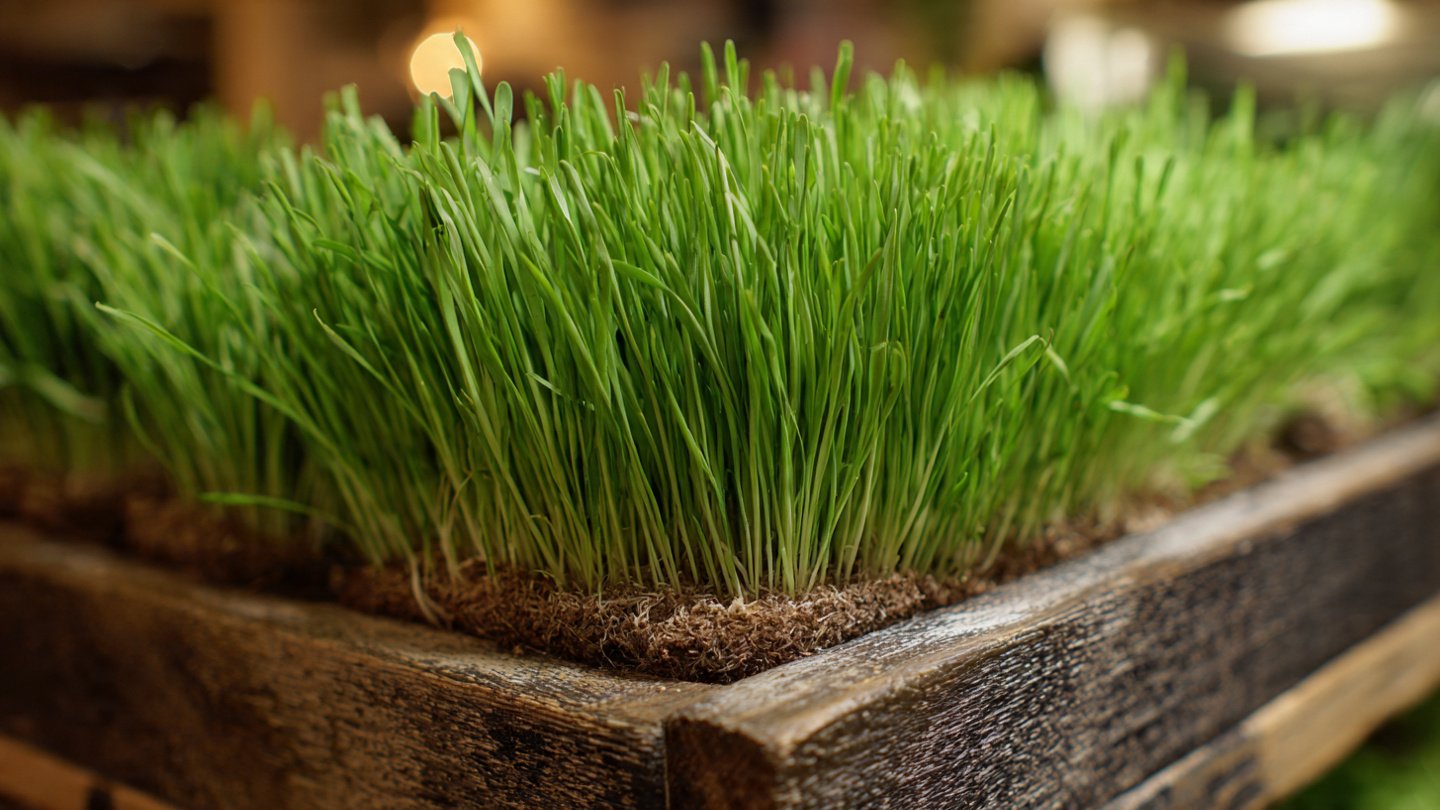
Wheatgrass, the young grass of the wheat plant (Triticum aestivum), has gained a reputation as a superfood, packed with vitamins, minerals, and antioxidants. Consuming freshly harvested wheatgrass juice or powder can provide numerous health benefits, including improved digestion, detoxification, boosted immunity, and even increased energy levels. Growing your own wheatgrass year-round ensures you have a fresh supply, maximizing its health benefits while saving money. This article will guide you through the step-by-step process of mastering wheatgrass cultivation for optimal health.
Understanding Wheatgrass
Wheatgrass is typically harvested at around 7-10 days after planting when the blades are about 6-8 inches tall. At this stage, it is rich in chlorophyll, amino acids, vitamins A, C, E, K, and B vitamins, as well as minerals like calcium, magnesium, and iron. By understanding its nutritional profile, you can appreciate the importance of growing and consuming wheatgrass regularly.
Choosing the Right Environment
Indoor vs. Outdoor Growing
- Indoor Growing: Ideal for those in colder climates or with limited outdoor space. Indoor growing allows for better control over the environment, making it possible to harvest wheatgrass year-round.
- Outdoor Growing: If you’re located in a region with mild winters, you may grow wheatgrass outdoors. However, winter temperatures may hinder its growth or render it dormant.
Light Requirements
Wheatgrass thrives in bright light. If growing indoors, place your containers near a south-facing window where they can receive direct sunlight for at least 6-8 hours daily. Alternatively, you can use grow lights to supplement natural sunlight.
Temperature Considerations

Wheatgrass prefers a temperature range between 60°F and 75°F (15°C to 24°C). It can tolerate slightly cooler or warmer conditions, but growth may slow in extreme temperatures.
Selecting the Best Wheatgrass Seeds
Choosing high-quality seeds is crucial for successful growth. Look for organic, non-GMO wheatgrass seeds from reputable suppliers. Ensure the seeds are specifically labeled for wheatgrass cultivation, as some seeds may be treated with chemicals unsuitable for consumption.
Preparing to Grow Wheatgrass
Supplies You’ll Need
- Containers: Shallow trays or pots with drainage holes are ideal. You can also use recycled containers, ensuring they are clean and free of contaminants.
- Soil: Use a high-quality potting mix that drains well. Some growers prefer soil-less mixes that consist of coconut coir or vermiculite.
- Water: A spray bottle or gentle watering can will help you keep the soil moist without overwatering.
Soaking and Sprouting Seeds
- Soak the Seeds: To speed up germination, soak your wheatgrass seeds in clean water for 8-12 hours. This allows the seeds to absorb moisture and swell.
- Rinse and Drain: After soaking, rinse the seeds thoroughly and drain them well. This step helps remove any impurities and prevents mold growth.

Planting Wheatgrass
Soil Preparation
- Filling Containers: Fill your chosen containers with 1-2 inches of potting soil. Ensure it is evenly spread out and leveled for optimal growth.
- Moistening the Soil: Spray the soil lightly with water to ensure it is evenly moist but not soggy.
Sowing Seeds
- Distributing Seeds: Evenly spread the soaked wheatgrass seeds across the moist soil. Aim for a density of about 10-15 seeds per square inch.
- Pressing Down: Gently press the seeds into the soil using a flat surface to ensure good seed-to-soil contact, which helps with germination.
Covering the Seeds
You can cover the seeds with a thin layer of soil (around ¼ inch) or leave them exposed, as wheatgrass does well with light. If the seeds are covered, ensure that they still receive ample sunlight.
Watering and Caring for Wheatgrass
Keeping Soil Moist
During the germination period (1-2 days), spray the top of the soil with water to keep it moist. Be careful not to oversaturate, as this can lead to mold.

Light and Temperature
After germination, place the trays in direct sunlight or under grow lights. Maintain the temperature within the ideal range. Monitor the wheatgrass daily, adjusting light and temperature as necessary.
Harvesting
After about 7-10 days, when the blades reach 6-8 inches tall, it’s time to harvest. Use scissors to cut the wheatgrass a few inches above the soil line. Avoid pulling or tugging, as this can disturb the roots.
Storing and Using Wheatgrass
Fresh Consumption
For optimal health benefits, consume wheatgrass shortly after harvesting. The most common ways to enjoy it include:
- Juicing: Use a juicer to extract fresh juice from the grass. Combine it with other juice blends for additional flavor and nutrients.
- Smoothies: Add a handful of fresh wheatgrass to your favorite smoothies for extra health benefits.
- Powdered Form: If you have excess wheatgrass, consider drying it gently in a food dehydrator and grinding it into a powder for later use.

Storage Tips
If you can’t consume the wheatgrass immediately, store it in a sealed container in the refrigerator. Fresh wheatgrass usually lasts about 4-7 days, while powdered wheatgrass can last several months if stored in a cool, dark place.
Troubleshooting Common Issues
Mold Growth
If you notice mold developing on your wheatgrass, it is often due to excess moisture or insufficient air circulation. To prevent this:
- Ensure proper drainage in your containers.
- Avoid overwatering your wheatgrass.
- Use a fan to improve air circulation.
Weak Growth
If your wheatgrass appears weak or leggy, it may not be receiving enough light. Move it to a brighter location or equip grow lights for enhanced illumination.
Pest Control

Occasionally, pests like aphids or fungus gnats can afflict wheatgrass. To keep pests at bay:
- Maintain cleanliness in your growing area.
- Use insecticidal soap or neem oil if infestations occur.
Health Benefits of Wheatgrass
- Rich in Nutrients: Wheatgrass is a powerhouse of vitamins, minerals, and antioxidants, essential for optimal health.
- Detoxification: Its high chlorophyll content helps detoxify the body by cleansing the liver and aiding digestion.
- Energy Boost: Many report increased energy levels due to the nutrient density in wheatgrass.
- Immune Support: The vitamins and minerals in wheatgrass help strengthen the immune system, making it easier to fend off illnesses.
- Anti-Inflammatory: The antioxidants in wheatgrass can help reduce inflammation, supporting overall health and wellness.
Conclusion
Growing wheatgrass at home is an easy and rewarding endeavor that offers countless health benefits. By mastering the growing process and taking the time to care for your plants, you ensure a continuous supply of this nutritional powerhouse all year round. With proper care, you can enjoy vibrant health while powering your day with fresh wheatgrass juice, smoothies, or powders. Whether you’re a seasoned gardener or a beginner, embracing this superfood in your diet will lead to a healthier lifestyle. So, grab those seeds, set up your growing space, and get ready to harness the incredible benefits of wheatgrass!