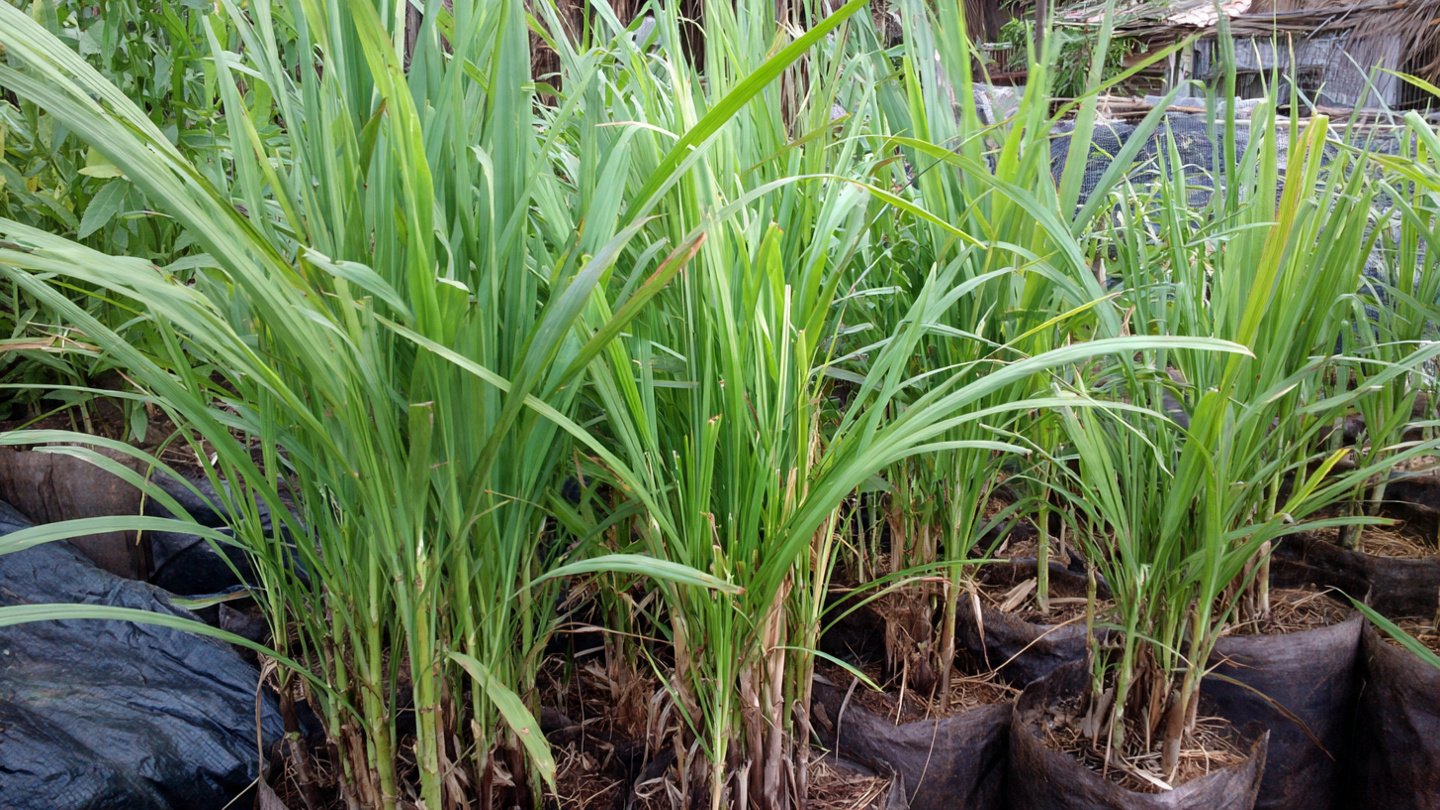
Lemongrass (Cymbopogon citratus) is a versatile and aromatic herb cherished in culinary, medicinal, and ornamental contexts. Known for its citrusy fragrance and flavor, lemongrass is a staple in many Asian dishes and herbal remedies. While it is naturally a fast-growing plant, gardeners can accelerate its growth and ensure healthy harvests through the technique of plant division. This method not only rejuvenates mature plants but also enables gardeners to propagate lemongrass for expanding their garden or sharing with others.
In this comprehensive guide, we will explore the benefits of lemongrass plant division, the best time to divide your plants, step-by-step instructions on how to do it, and tips on aftercare to promote fast growth and abundant, healthy harvests.
Why Use Plant Division for Lemongrass?
Lemongrass spreads through rhizomes — horizontal underground stems that develop new shoots and roots. Over time, these rhizomes form dense clumps that can outgrow their space or become less productive. Plant division involves separating these clumps into smaller, manageable sections with healthy roots and shoots, which can then be replanted.
The benefits of plant division for lemongrass include:
- Faster establishment: Divided plants already have an established root system, allowing them to grow quickly compared to starting from seeds.
- Rejuvenation of mature plants: Dividing prevents overcrowding, decreases competition for nutrients and water, and encourages fresh, vigorous growth.
- Propagation: Plant division allows gardeners to multiply their lemongrass without buying new plants, facilitating efficient garden expansion.
- Disease management: Removing old, unhealthy portions of the plant during division can reduce the risk of diseases.
- Controlling size: Division helps maintain the desired size and shape of the lemongrass clump.

When to Divide Lemongrass Plants
The prime time to divide lemongrass is during the plant’s dormant or slow growth period, usually in early spring, just before active growth begins. This timing helps reduce transplant shock and gives the divisions optimal conditions to establish themselves.
Avoid dividing lemongrass in the middle of the hot summer or when the plant is flowering, as this can stress the plant and slow recovery. Additionally, avoid heavy frost periods or wet, cold weather.
Tools and Materials Needed for Lemongrass Division
Before starting, gather the following tools and materials to ensure a smooth process:
- A sharp spade or garden fork for digging up the clump
- A clean, sharp knife or garden shears for cutting divisions
- Gardening gloves to protect your hands
- Watering can or hose for watering
- Compost or well-rotted organic matter to enrich the soil
- Mulch (straw, wood chips, or leaves) to conserve moisture
- Pots or containers (if starting divisions indoors or for better control)

Step-by-Step Guide to Dividing Lemongrass
1. Prepare the Site and Tools
Choose a location with well-drained soil and full sun to partial shade for replanting lemongrass. Lemongrass prefers sandy or loamy soil rich in organic matter. Prepare the soil by loosening it and mixing in compost to encourage healthy root development.
Sanitize your tools to prevent the spread of disease. This can be done by wiping blades with rubbing alcohol or a bleach solution.
2. Dig Up the Lemongrass Clump
Carefully dig around the base of the mature lemongrass clump about 6-8 inches from the stalks to avoid damaging roots. Gently lift the entire clump out of the ground with the spade or fork, taking care to keep the root ball intact.
Shake off excess soil to clearly see the root structure and rhizomes.

3. Divide the Clump
Using a sharp knife or garden shears, divide the clump into sections. Each division should have at least 2-3 healthy stalks and a good portion of roots and rhizomes attached. Look for healthy, firm roots and green shoots, and avoid sections with rotten or diseased parts.
Breaking the clump apart by hand can work for smaller plants but may damage roots on larger mature clumps, so cutting is recommended.
4. Trim and Clean Divisions
Trim any dead or damaged leaves and roots from the divisions to reduce stress. Shorten the leaves by about one-third to prevent excessive water loss through transpiration while the plant establishes.
Soaking the roots in water for 30 minutes before planting can also help hydrate them.
5. Plant the Divisions
Plant each division in the prepared soil or pot, spacing them about 18-24 inches apart to give them room to spread. Plant them at the same soil depth as they were previously growing. Firm the soil gently around the roots and water thoroughly.

If planting in containers, choose pots with good drainage and fill with rich, well-draining potting mix.
6. Water and Mulch
Water immediately after planting and keep the soil consistently moist but not waterlogged. Apply a layer of organic mulch around the base to retain moisture, regulate soil temperature, and suppress weeds.
7. Provide Care for Fast Growth and Healthy Harvests
- Sunlight: Ensure the lemongrass receives at least 6 hours of direct sunlight per day.
- Watering: Water regularly, especially during dry conditions, but avoid soggy soil.
- Fertilizing: Feed lemongrass with a balanced fertilizer every 4-6 weeks during the growing season for vigorous growth.
- Weeding: Keep the area around lemongrass free from weeds that compete for nutrients.
- Pruning: Harvest stalks regularly by cutting them near the base to encourage new growth.
Common Challenges and How to Overcome Them
- Transplant shock: Minimize by planting divisions promptly and shading newly planted lemongrass during the hottest part of the day.
- Root rot: Avoid overwatering and plant in well-drained soil.
- Pests: Watch for aphids or spider mites; treat with insecticidal soap or neem oil if necessary.
- Poor growth: Improve soil fertility and ensure adequate sunlight.

Harvesting Lemongrass for Best Flavor
Lemongrass stalks are best harvested when they are at least 12 inches tall and firm. Use a sharp knife or scissors to cut stalks near the base. Frequent harvesting encourages continuous production. The aromatic leaves can be used fresh or dried for later use.
Conclusion
Using plant division for your lemongrass is a practical and efficient way to enhance growth speed and maintain healthy, productive plants. This simple horticultural technique revitalizes mature lemongrass clumps, promotes vigorous new growth, and allows for easier propagation. With proper timing, careful handling during division, and attentive aftercare, gardeners can enjoy lush lemongrass plants that provide fragrant stalks for cooking, medicine, and garden beauty year after year.
By understanding and implementing these steps, you can leverage lemongrass plant division to unlock faster growth, vibrant health, and abundant harvests, ensuring your lemongrass thrives as a valuable and versatile addition to your garden.