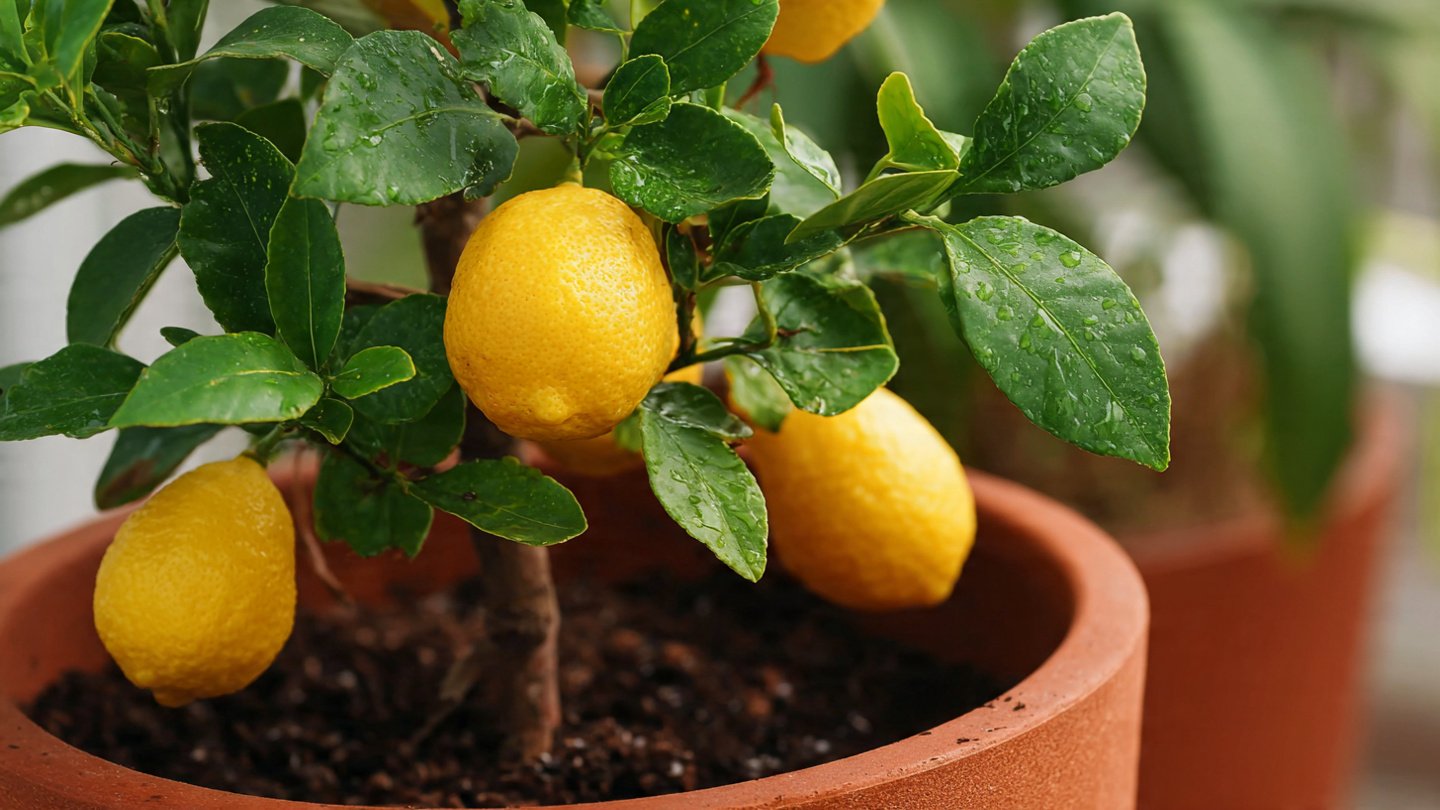
Citrus plants, known for their bright fruits and aromatic leaves, have become increasingly popular among gardeners and plant enthusiasts. Whether you’re growing lemons, limes, oranges, or grapefruits, the key to a thriving potted citrus tree lies in the soil mix. A well-formulated soil will not only support growth but will also provide the necessary nutrients for the tree to flourish. In this article, we will delve into how to create the perfect citrus soil mix for potted plants, covering essential components, their functions, step-by-step instructions, and care tips.
Understanding Citrus Plant Needs
Before diving into the specifics of the soil mix, it’s essential to understand the needs of citrus plants. These plants thrive in warm temperatures, need sunlight, and require well-draining soil to avoid root rot. Citrus plants are also sensitive to nutrient levels, making it critical to provide a nutrient-rich environment.
Components of an Ideal Citrus Soil Mix
The perfect citrus soil mix should consist of several key components that work together to provide drainage, aeration, and nutrients. Here’s a breakdown of those components:
-
Base Soil
- Purpose: The foundation of your mix, providing bulk.
- Options: Use high-quality potting soil, which is typically designed for container plants.
-
Perlite or Pumice
- Purpose: Enhances drainage and aeration.
- Ratio: Aim for 20-30% of your mix.
-
Coconut Coir or Peat Moss
- Purpose: Provides moisture retention without waterlogging.
- Ratio: Approximately 20-30% of your mix.
-
Compost or Well-Rotted Manure

- Purpose: Supplies essential nutrients and beneficial microorganisms.
- Ratio: About 20% of your mix.
-
Sand
- Purpose: Improves drainage and mimics the well-drained conditions that citrus plants thrive in.
- Ratio: 10-20% of your mix.
-
Lime
- Purpose: Raises the pH level slightly, beneficial for citrus plants which prefer slightly acidic to neutral soil.
- How to Use: Incorporate according to your soil’s existing pH level.
Full Mix Recipe
Based on the components above, a recommended recipe for the perfect citrus soil mix could be as follows:
- 1 part high-quality potting soil
- 1 part perlite or pumice
- 1 part coconut coir or peat moss
- 1 part compost or well-rotted manure
- 1 part coarse sand
- A small adjustment of lime as necessary
Step-by-Step Instructions for Mixing Your Soil
Creating the perfect soil mix doesn’t require advanced gardening skills. Simply follow these steps:

-
Gather Your Materials
- Collect high-quality potting soil, perlite or pumice, coconut coir or peat moss, compost, sand, and lime.
-
Prepare a Mixing Area
- Choose a clean area where you can mix your soil. You might consider using a large container or a wheelbarrow for easy handling.
-
Mix Base Ingredients
- Start by combining the high-quality potting soil, coconut coir (or peat moss), and compost in your mixing container. Stir well to ensure the components are evenly distributed.
-
Add Drainage Components
- Gradually add perlite or pumice and sand to the base mix. These ingredients will improve drainage and aeration, which are vital for the health of citrus roots.
-
Test pH and Improve with Lime
- If you have a soil pH testing kit, check the pH level of your mix. Citrus plants prefer slightly acidic to neutral soil (pH 6.0 to 7.0). If necessary, add lime gradually until the desired level is reached.
-
Final Mixing
- Thoroughly mix all components until the soil has a uniform texture. It should be light and fluffy but still hold some moisture.

Planting Your Citrus Trees
Now that your citrus soil mix is ready, it’s time to plant! Here are some guidelines:
-
Choose the Right Pot
- Select a pot that is larger than the root ball of your citrus plant and has sufficient drainage holes to prevent water accumulation.
-
Layering
- Place a layer of gravel or small stones at the bottom of the pot to further enhance drainage. Then, fill the pot with your prepared soil mix, leaving enough space at the top for the plant.
-
Planting
- Carefully remove the citrus plant from its nursery container, loosen the roots gently, and plant it in the pot. Fill in around the roots with the soil mix, ensuring that the plant is secured and upright.
-
Watering
- Water the plant thoroughly after planting to help settle the soil around the roots. Ensure that excess water drains out completely.
Caring for Potted Citrus Plants
After planting, proper care will ensure your citrus plants thrive. Here are some care tips:
-
Watering

- Water regularly but allow the top inch of the soil to dry out between watering sessions. Citrus plants prefer their roots to dry out rather than stay saturated.
-
Fertilization
- Provide a balanced fertilizer that is high in potassium, like a citrus or balanced organic fertilizer. Fertilize during the growing season (spring and summer) according to package instructions.
-
Light Requirements
- Citrus plants require a lot of sunlight. Place them in a location where they will receive at least 8–10 hours of direct sunlight daily.
-
Temperature and Humidity
- Citrus plants thrive in temperatures between 70°F to 85°F (21°C to 29°C). Keep them away from drafts and sudden temperature changes.
-
Pruning
- Prune your citrus plants to promote healthy growth and fruit production. Remove any dead or diseased branches and thin out crowded areas to improve airflow.
-
Pest Management
- Regularly check your plants for pests such as aphids, spider mites, and scale insects. Use insecticidal soap or natural remedies to manage any infestations.
Seasonal Adjustments
Your care regime may need to adjust with the seasons:
- Spring/Summer: Increase watering and feeding during the growing season as the plant’s needs rise.
- Fall/Winter: Reduce watering frequency as the plant enters dormancy. Protect the plants from frost if they are outdoors.

Troubleshooting Common Issues
Despite your best efforts, you may encounter some common issues while growing potted citrus plants. Here are some tips for troubleshooting:
-
Yellowing Leaves:
- This can be a sign of overwatering, nutrient deficiency, or lack of sunlight. Check your watering schedule and consider a balanced fertilizer.
-
Dropping Fruits or Flowers:
- Can indicate stress due to inconsistent watering, temperature fluctuations, or insufficient pollination. Ensure that the plant is in a stable environment and consider hand-pollinating flowers if necessary.
-
Root Rot:
- Often caused by poor drainage. If you notice foul-smelling roots, repot the plant in fresh soil, ensuring good drainage.
Conclusion
Creating the perfect citrus soil mix requires a balance of various components that promote drainage, aeration, and nutrient availability. By understanding the needs of citrus plants and customizing your soil mix accordingly, you can create an ideal growing environment in pots. Combine this with proper care, watering, and adjustments according to the seasons, and you can enjoy the beauty and bounty of citrus plants right in your home or garden. With patience and attentiveness, your potted citrus trees can thrive and produce an abundance of juicy, delicious fruit for you to enjoy!