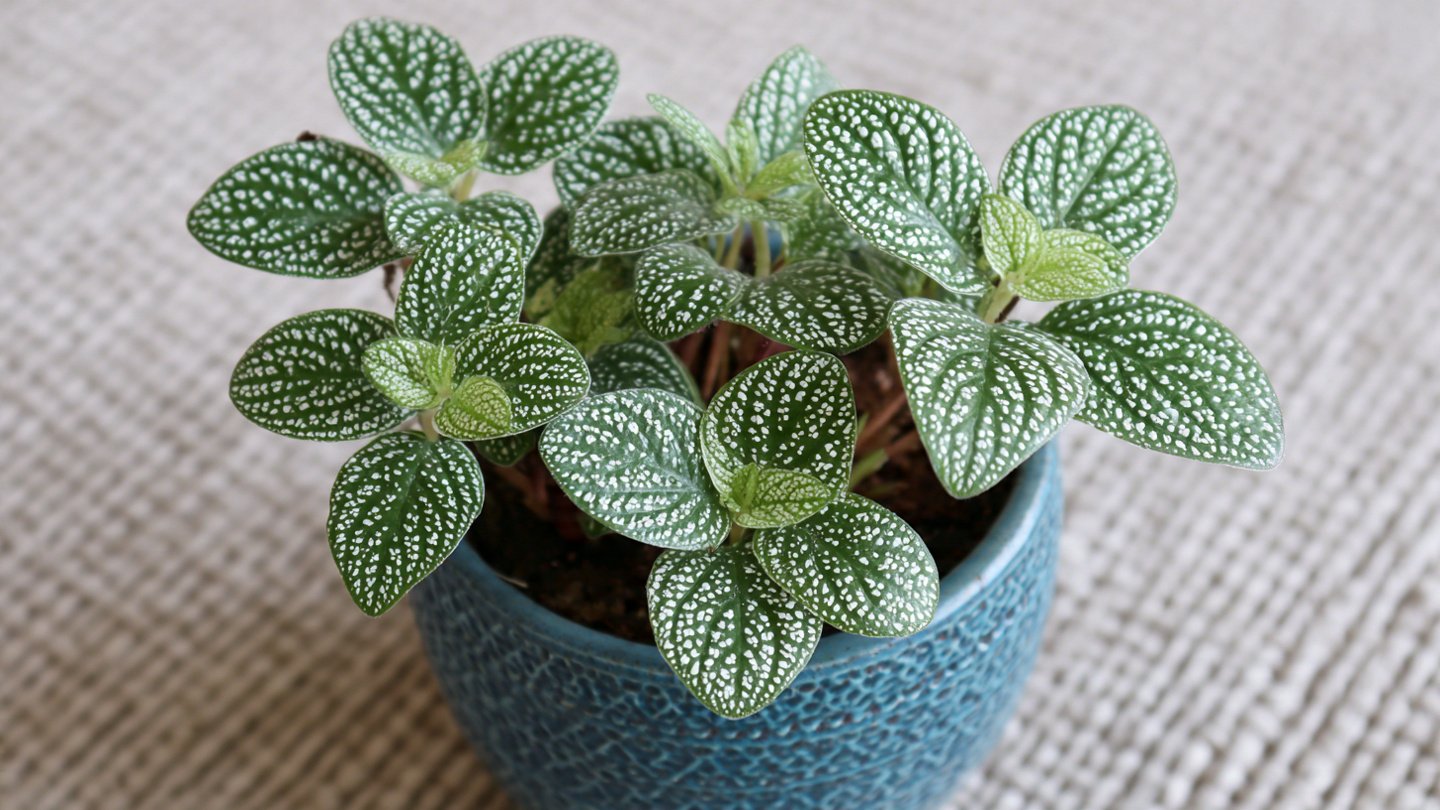
The polka dot plant, or Hypoestes phyllostachya, is a delightful addition to any houseplant collection, known for its vibrant spotted leaves of pink, white, or red against a deep green backdrop. This compact, colorful beauty works perfectly in tighter spaces and can be an eye-catching focal point in your home or office. If you’re interested in learning how to grow and care for a polka dot plant, this guide will provide you with everything you need to ensure your plant thrives indoors.
Understanding the Polka Dot Plant
The polka dot plant is native to Madagascar but has been widely cultivated for its striking foliage. It typically grows to about 12 to 20 inches in height, making it perfect for indoor growth. The compact size, alongside its distinctive leaf patterns, makes it an ideal choice for window sills, tabletops, and terrariums.
Characteristics
- Leaves: The leaves of a polka dot plant are small, oval-shaped, and glossy, adorned with eye-catching spots or flecks. Depending on the variety, you may find leaves in shades of pink, white, or red.
- Growth Habit: The plant tends to grow upright but can become leggy if not adequately pruned or if light conditions are poor. Regular pruning helps maintain its compact form.
- Lifespan: With optimal care, polka dot plants can thrive for several months, although they are often treated as annuals because they do not always bounce back well from declines in health.
Choosing the Right Pot and Soil
Selecting the Pot
When choosing a pot for your polka dot plant, ensure that it has drainage holes to prevent waterlogged soil. A pot that is slightly larger than the root ball is ideal, as it promotes healthy root growth without overwhelming the plant.
- Size: Aim for a pot that is 6 to 8 inches in diameter for smaller polka dot plants.
- Material: Terracotta pots are great for moisture management, while plastic pots are lighter and retain moisture better.

Soil Mix
Polka dot plants prefer well-draining soil. A basic potting mix combined with perlite or coarse sand works effectively. This will ensure that the roots have both nutrients and good aeration.
- pH Level: Aim for soil with a pH of around 6.0 to 6.5, which is slightly acidic to neutral, ideal for most houseplants.
- Mix Recommendations: Consider using a commercial potting mix labeled for houseplants or create your own mix.
Ideal Lighting Conditions
Polka dot plants thrive in bright, indirect light. Positioning them near a window that receives filtered sunlight works best. Direct sunlight can scorch the leaves, while too little light will lead to leggy growth.
Lighting Tips:
- East or North-Facing Windows: These are generally the best locations, as they provide gentle morning light and filtered sunlight throughout the day.
- Grow Lights: If natural light is insufficient, especially during winter months, consider using grow lights to supplement your plants’ needs.
Watering Guidelines
Maintaining the right moisture level is crucial for the health of your polka dot plant. The soil should be kept consistently moist but not soggy. Here’s a simple watering regimen:

Watering Schedule:
- Frequency: Water when the top inch of the soil feels dry to the touch—usually every 1 to 2 weeks, depending on environmental conditions.
- Technique: Water until you see excess moisture draining from the pot’s drainage holes. Be sure to discard any standing water in the saucer to prevent root rot.
Signs of Overwatering or Underwatering:
- Underwatering: Leaves may become crispy, turn brown, and drop.
- Overwatering: Leaves may turn yellow, become mushy, and drop.
Humidity Requirements
Polka dot plants thrive in high humidity environments, akin to their native tropical habitats. They appreciate humidity levels of around 60-70%.
Maintaining Humidity:
- Misting: Lightly mist your plant every few days, especially in dry months.
- Humidity Trays: Place a shallow tray filled with water and pebbles beneath the pot. As the water evaporates, it increases the humidity around the plant.
- Grouping Plants: Keep your polka dot plant among other humidity-loving plants to create a microenvironment.
Temperature Preferences

The ideal temperature for a polka dot plant ranges from 65°F to 80°F (18°C to 27°C). They prefer stable temperatures, so avoid placing them near drafty windows, heating vents, or air conditioners.
Temperature Tips:
- Avoid Extremes: Protect them from temperatures below 50°F (10°C), as colder air can damage the leaves.
- Consistent Conditions: Monitor for sudden changes in temperature, which can stress the plant.
Fertilizing Your Polka Dot Plant
To promote healthy growth, feeding your polka dot plant during the growing season (spring and summer) is essential. A balanced, water-soluble fertilizer can provide necessary nutrients.
Fertilizing Guidelines:
- Frequency: Feed every 4 to 6 weeks during the active growing season. Cut back during fall and winter when the plant is dormant.
- Dilution: Use half the recommended strength of the fertilizer to prevent nutrient burn.
Pruning and Maintenance
Regular pruning is important for maintaining the shape and compactness of your polka dot plant.
Pruning Tips:

- Remove Dead Leaves: Trim away any yellow or brown leaves to encourage new growth.
- Pinching: Pinch back leggy stems just above the node to encourage bushier growth and create a fuller appearance.
Propagation
If you love your polka dot plant, you may want to propagate it to share with friends or expand your indoor garden. The easiest way to propagate is through stem cuttings.
Propagation Steps:
- Select a Healthy Stem: Choose a stem with several leaves and make a clean cut just below a node.
- Prepare the Cutting: Remove the lower leaves, leaving a few at the top.
- Rooting: Place the cutting in a glass of water or directly in moist potting soil.
- If rooting in water, change the water every few days until roots develop (2-3 weeks is typical).
- If using soil, keep the soil moist until roots establish.
- Transplant: Once roots form, plant it in a pot with regular potting mix.
Common Pests and Problems
Despite being relatively low-maintenance, polka dot plants can be susceptible to certain pests and diseases.

Common Pests:
- Spider Mites: These tiny pests can cause stippling on leaves. Increase humidity and treat with insecticidal soap.
- Aphids: Small, sap-sucking insects that can distort growth. Use neem oil or insecticidal soap for control.
- Mealybugs: Cotton-like pests that can accumulate in leaf joints. Remove them with a cotton swab dipped in alcohol.
Common Problems:
- Leaf Drop: Caused by sudden temperature fluctuations or underwatering.
- Leggy Growth: Often a sign of inadequate light. Move the plant to a brighter location.
- Brown Leaf Edges: This can result from low humidity or underwatering. Adjust watering practices accordingly.
Conclusion
The polka dot plant is not only a visual delight but also a rewarding houseplant to grow. With the proper care—encompassing adequate light, hydration, humidity, and nutrition—you’ll have a thriving, colorful addition to your indoor space. Regular attention through pruning and monitoring for pests will keep your plant flourishing for months. Start your journey with this unique houseplant today, and enjoy the vibrant beauty it brings to your home!