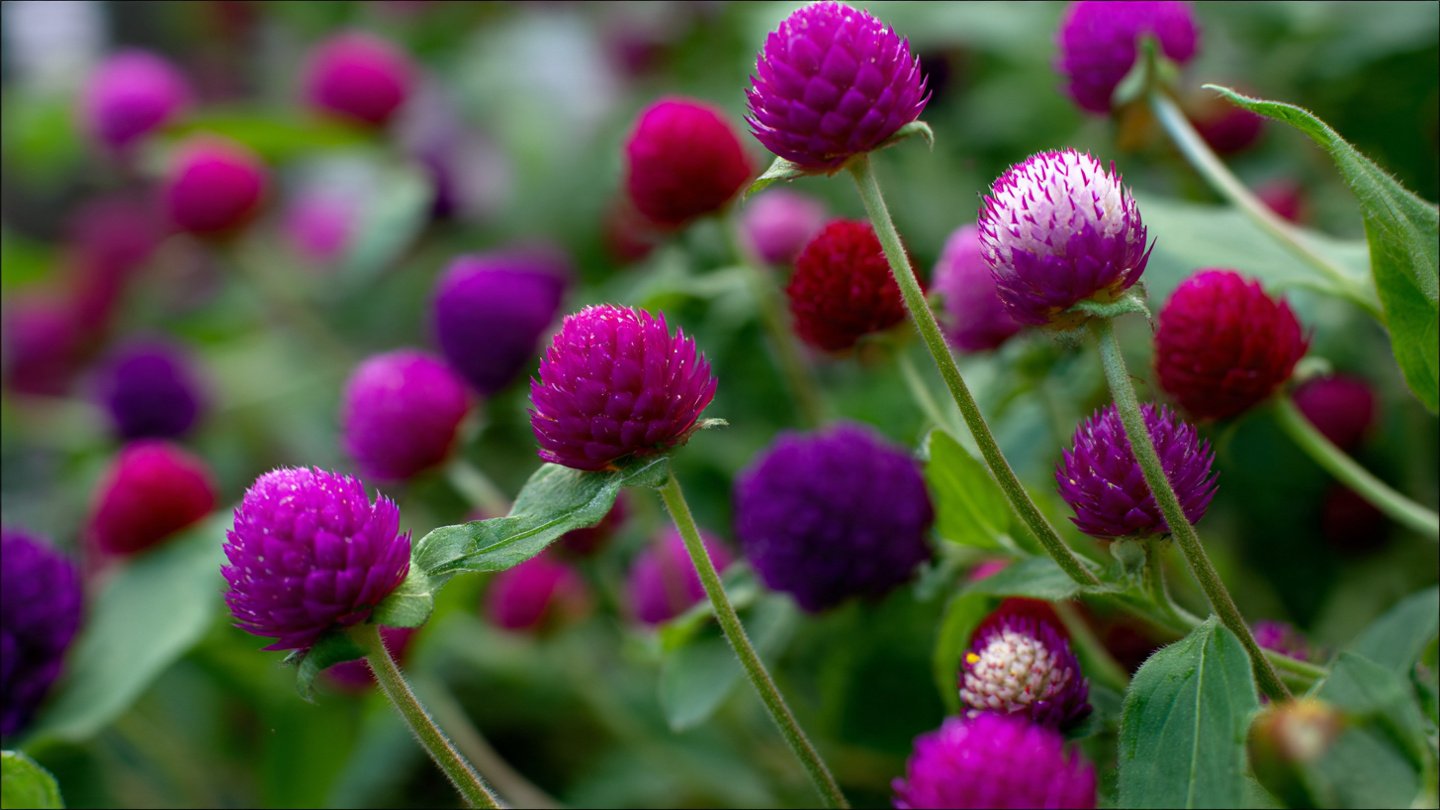
Gomphrena, commonly known as globe amaranth, is a delightful annual flower celebrated for its vibrant colors and long-lasting blooms. These resilient flowers are not only beautiful additions to gardens but also fantastic cut flowers, making them excellent for arrangements. If you’re looking to enrich your garden with Gomphrena, this comprehensive guide will help you navigate the journey from seed selection to harvest.
Understanding Gomphrena
Origin and Varieties
Gomphrena belongs to the Amaranthaceae family and originates from tropical and subtropical regions of Central and South America. Notable for their spherical clusters of flowers, they come in various colors, including purple, pink, red, and white. The most commonly grown varieties include:
- Gomphrena globosa: This species features small, globe-like flowers and is often used in floral arrangements.
- Gomphrena haageana: Known for its bright orange hues, it grows taller and is also popular for cut flowers.
Characteristics
Gomphrena plants typically grow to a height of 1 to 3 feet and possess a bushy shape. Their sturdy stems and drought-tolerant nature make them a favorite among gardeners looking for low-maintenance flowers. The blooms are not only visually appealing but also extremely durable, lasting long after being cut.
Preparing for Growth
Site Selection
-
Sunlight: Gomphrena thrives in full sun, requiring at least 6 to 8 hours of sunlight daily. Choose a location that receives ample sunlight to promote healthy growth.

-
Soil Conditions: These flowers prefer well-draining soil rich in organic matter. A pH between 6.0 and 7.0 is ideal. To improve drainage and fertility, consider amending your garden soil with compost or well-rotted manure.
-
Space: Space your plants about 12 to 18 inches apart to ensure adequate air circulation and sunlight exposure as they grow.
When to Plant
Gomphrena can be directly seeded outdoors after the last frost date in your area. In colder regions, starting seeds indoors 6 to 8 weeks before the last frost can give you a head start.
Growing Gomphrena from Seeds
Seed Starting Indoors
-
Containers: Use seed trays or small pots filled with seed-starting mix.
-
Sowing Seeds: Sow seeds about 1/4 inch deep. Lightly cover them with soil and mist the top to keep the soil consistently moist.
-
Temperature: Maintain a warm temperature of around 70°F to promote germination, which usually takes about 7 to 14 days.
-
Lighting: Once the seeds germinate, provide them with bright light using grow lights or place them in a sunny window.

Transplanting Outdoors
-
Hardening Off: About a week before transplanting, harden off your seedlings by gradually exposing them to outdoor conditions. Start with a few hours of outdoor exposure and gradually increase the time each day.
-
Transplanting: After the danger of frost has passed, transplant your seedlings into the garden. Water them well after planting to help reduce transplant shock.
Caring for Gomphrena
Watering
-
Frequency: Water your Gomphrena plants moderately. They are drought-tolerant but will benefit from consistent moisture, especially during dry spells.
-
Method: Water deeply to encourage root growth, avoiding shallow watering, which can lead to weak plants.
Fertilization
-
Type of Fertilizer: Use a balanced, slow-release fertilizer at the time of planting to promote healthy growth.
-
Further Feeding: You can side-dress with compost or a liquid fertilizer every few weeks during the growing season to support blooming.

Pest and Disease Management
Gomphrena is generally resistant to pests and diseases, but occasional issues may arise.
-
Common Pests: Watch for aphids and spider mites. A strong blast of water or insecticidal soap can help control these pests.
-
Diseases: Fungal diseases can occur if the plants are overcrowded or if there is poor air circulation. Ensure that you provide ample spacing and avoid overhead watering to keep the leaves dry.
Harvesting Gomphrena Cut Flowers
Timing
The best time to harvest Gomphrena for cut flowers is in the morning when the dew is still on the plants. Look for blooms that are fully open but not yet starting to fade. If you harvest too early, the flowers may not open properly; if too late, they may not last long in arrangements.
Cutting Technique

-
Using Proper Tools: Use sharp, clean shears or scissors to make clean cuts. This helps to minimize damage to the plant and promotes healthy growth.
-
Cutting Length: Cut the stems at about 6 to 12 inches long, ensuring you have enough stem to work with when creating arrangements.
-
Post-Harvest Care: Immediately place the cut flowers in water to keep them hydrated. Remove any leaves that would be below the water line to prevent rot.
Creating Arrangements
Gomphrena’s vibrant colors and sturdy stems make them ideal for various arrangements, from bouquets to centerpieces.
Mixing with Other Flowers
Combine Gomphrena with other flowers such as sunflowers, zinnias, or dahlias for a dynamic arrangement. Their unique texture and shape can add depth and interest to floral designs.
Drying Gomphrena for Permanent Displays
If you want to preserve the beauty of Gomphrena, consider drying them:
-
Hanging: Bundle stems together and hang them upside down in a dark, dry location with good air circulation.
-
Method: After a few weeks, they can be used in dried arrangements or as decorative pieces.

Extending Bloom Time
To encourage continuous blooming throughout the summer, deadheading (removing faded flowers) can stimulate new flower production. Regularly check your plants and remove any spent blooms to keep your garden looking fresh and vibrant.
Conclusion
Growing Gomphrena cut flowers is a rewarding endeavor that can yield beautiful results in your garden and home. From careful selection and planting to proper maintenance and harvesting, every step you take can contribute to a thriving display of these colorful blooms. With their resilience and versatile nature, Gomphrena is a fantastic addition to any garden, providing visual appeal, cut flowers for arrangements, and even dried displays.
By following the guidelines outlined in this article, you’ll be well-equipped to cultivate a stunning array of Gomphrena that will brighten your garden and home. Happy gardening!