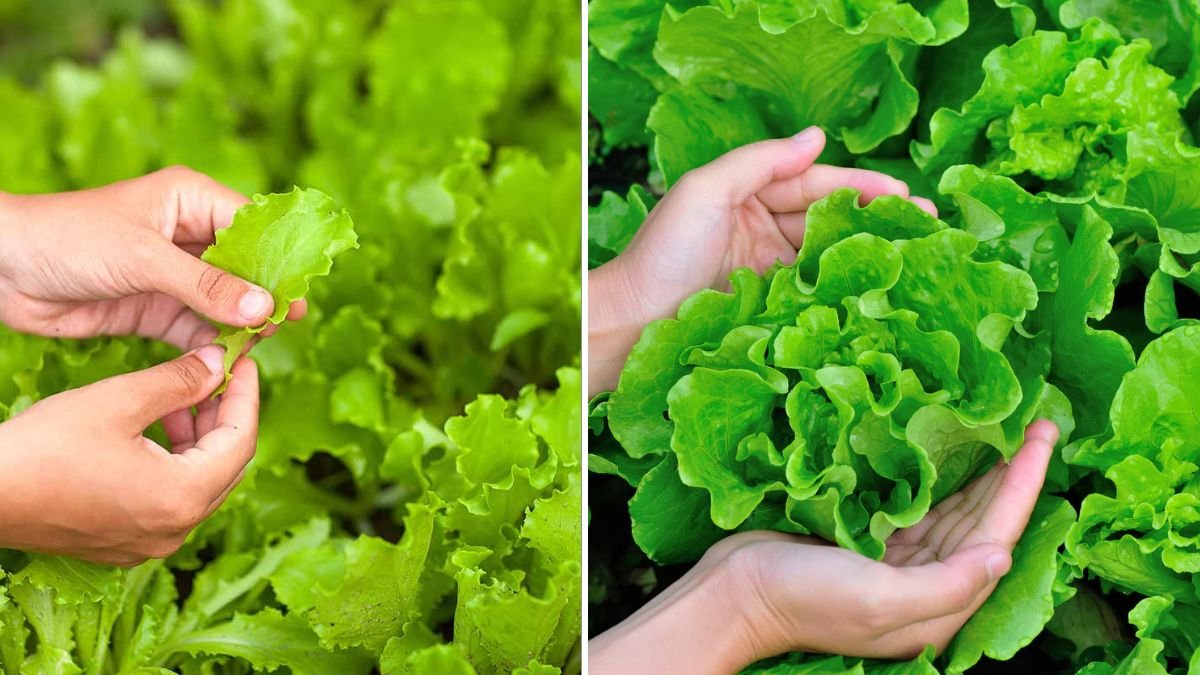
Lettuce cultivation in green plastic bottles is an innovative and eco-friendly gardening approach. Using recycled bottles saves space and reduces plastic waste. The method allows precise nutrient management, leading to faster growth. Bottles can be arranged vertically or horizontally to optimize space usage. Container gardening avoids soil-borne diseases and weeds. Quick harvests make this approach ideal for urban gardeners. Nutrient-rich solutions ensure healthy, crisp leaves. By mastering this technique, anyone can enjoy fresh, pesticide-free lettuce year-round.
Selecting the Right Plastic Bottles
Choose bottles that are durable and free from cracks. Green or opaque bottles help protect roots from sunlight. Size matters; 1-2 liter bottles are ideal for small lettuce varieties. Ensure bottles are clean to avoid contamination. Make drainage holes at the bottom to prevent waterlogging. Cut the bottles carefully for proper planting space. Recycled bottles contribute to sustainable gardening practices. Proper bottle selection ensures healthy root development and plant growth.
Preparing Nutrient-Rich Solution
Lettuce thrives in hydroponic or semi-hydroponic setups. Prepare a solution with balanced NPK ratios and trace minerals. Organic alternatives like compost tea or liquid seaweed can enhance growth. Monitor pH levels between 5.5-6.0 for optimal nutrient absorption. Change nutrient solutions weekly to prevent stagnation. Use water-soluble fertilizers for consistent feeding. Proper nutrient management accelerates growth and improves flavor. This solution ensures crisp, nutrient-dense lettuce leaves.
Bottle Cutting and Setup
Cut bottles horizontally or vertically depending on the layout. Ensure openings are large enough for plant placement. Position bottles for maximum sunlight exposure. Fill with soil or growing medium like coco coir or perlite. Support bottles with racks or strings for vertical arrangements. Label each bottle for easy maintenance tracking. A well-prepared setup encourages healthy root growth and efficient harvesting.

Choosing Lettuce Varieties
Leaf lettuce varieties grow best in bottles. Butterhead, romaine, and loose-leaf varieties thrive in controlled environments. Select fast-growing varieties for multiple harvests. Disease-resistant strains minimize maintenance. Consider leaf color and texture preferences. Mixing varieties can extend harvesting periods. Understanding variety traits ensures high yields in limited spaces. Proper variety choice leads to quick and satisfying results.
Planting Techniques
Start seeds in seed trays before transferring to bottles. Space seedlings 2-3 inches apart for airflow. Transplant carefully to avoid root damage. Keep soil or medium consistently moist. Top-dress with organic nutrients as seedlings grow. Avoid overcrowding to prevent stunted growth. Correct planting methods maximize leaf size and harvest potential. Healthy seedlings ensure strong future growth.
Watering and Drainage Tips
Maintain consistent moisture in soil or medium. Bottles require frequent checking due to smaller volumes. Water at the base to reduce disease risks. Drain excess water to prevent root rot. Consider using wicks or hydroponic systems for automated watering. Mulching can reduce evaporation in semi-soil setups. Correct watering practices directly impact lettuce texture and growth. Efficient hydration ensures crisp, fast-growing leaves.
Sunlight and Placement
Lettuce prefers 10-12 hours of indirect sunlight. Green bottles help moderate heat and protect roots. Rotate bottles for uniform light exposure. In low-light conditions, supplement with LED grow lights. Avoid direct harsh sunlight to prevent leaf burn. Position bottles to optimize airflow and sunlight simultaneously. Adequate light encourages rapid growth and vibrant leaf color. Proper placement ensures healthy, consistent harvests.

Fertilization for Faster Growth
Leafy greens benefit from nitrogen-rich nutrients. Use liquid fertilizers biweekly for steady growth. Avoid over-fertilization to prevent leaf burn. Incorporate trace minerals for healthier leaves. Monitor plant response and adjust nutrient levels accordingly. Fertilization complements the nutrient-rich solution in bottles. Balanced feeding ensures fast, tender, and flavorful lettuce. Regular nutrition management accelerates multiple harvests.
Pest and Disease Management
Bottle-grown lettuce is less prone to soil pests. Watch for aphids, whiteflies, or fungal infections. Use organic sprays or neem oil as preventive measures. Maintain clean bottles and tools to avoid contamination. Prune damaged leaves immediately. Proper air circulation prevents fungal diseases. Consistent monitoring ensures healthier, pesticide-free lettuce. Efficient disease management enhances yield and quality.
Harvesting Lettuce Properly
Harvest leaves individually or cut the entire head depending on type. Pick leaves when they are tender and vibrant green. Frequent harvesting encourages new leaf growth. Use clean scissors to reduce damage. Store harvested leaves in cool, moist conditions. Avoid over-harvesting from young plants. Timely harvesting ensures continuous, fresh supply. Proper harvesting methods increase plant longevity and productivity.
Reusing Bottles for Successive Crops
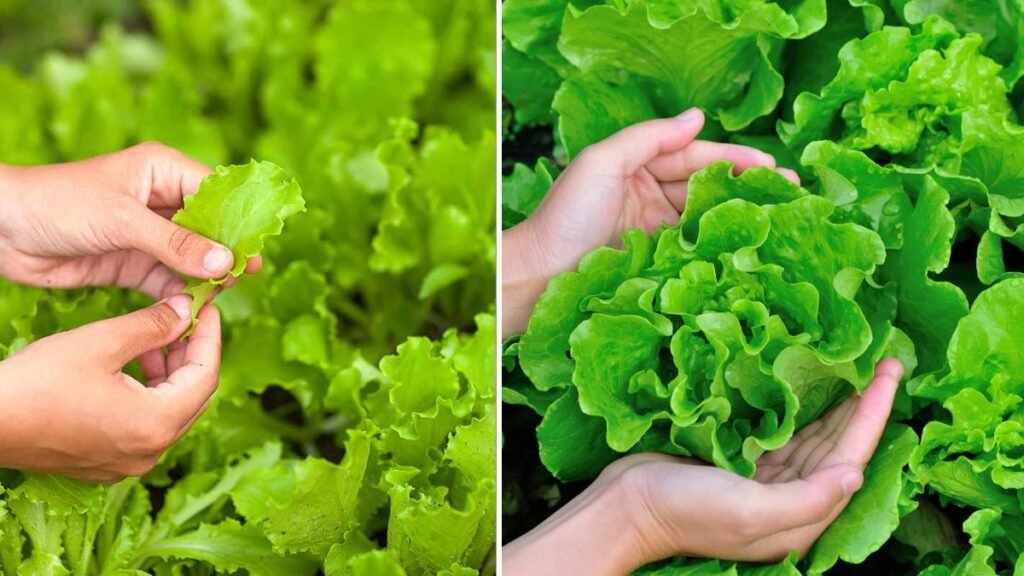
After harvesting, clean bottles thoroughly. Replace old nutrient solution with fresh mixture. Rotate lettuce varieties to maximize yield. Inspect bottles for cracks or damage before reuse. Reusing bottles saves cost and reduces environmental impact. Regular bottle maintenance ensures long-term productivity. Sustainable practices enhance overall gardening efficiency. Proper reuse strategies support year-round harvests.

Vertical vs. Horizontal Layouts
Vertical setups save space and improve light exposure. Horizontal layouts may be easier for maintenance. Vertical racks allow multiple layers, boosting yield per square meter. Horizontal setups provide stability and easier watering access. Choose layout based on available space and sunlight. Rotate plants periodically for uniform growth. Efficient layouts maximize productivity in limited spaces. Selecting the right layout increases harvest efficiency.
Mulching and Soil Cover
Cover soil surface with straw or coconut coir. Mulching reduces evaporation and keeps soil temperature stable. It prevents algae growth in bottles with nutrient solutions. Mulching helps retain moisture and nutrients. Replace or refresh mulch periodically. Proper soil cover ensures consistent growth and reduces maintenance. Mulching contributes to healthy, crisp lettuce leaves. Efficient mulch management complements container gardening success.
Companion Planting Ideas
Basil, cilantro, or mint can grow alongside lettuce. Companion plants repel pests and enhance growth. Avoid aggressive plants that compete for nutrients. Rotate companions to maintain soil health. Companion planting boosts flavor and reduces chemical usage. Strategic pairing increases overall garden productivity. It also makes small spaces visually appealing. Using companions supports healthier lettuce growth.
Common Problems and Solutions
Yellowing leaves may indicate nutrient deficiency. Slow growth could result from poor light or overcrowding. Aphid infestations require organic control methods. Mold or mildew can be mitigated with proper airflow. Monitor pH and nutrient solution regularly. Early detection prevents crop loss. Troubleshooting ensures high-quality, continuous harvests. Proper management leads to consistent success.

Benefits of Green Bottle Gardening
Green bottle lettuce gardening saves space and water. It’s ideal for urban or balcony gardens. Nutrient control ensures faster growth and healthier leaves. Vertical arrangements maximize yield per area. This method is eco-friendly, reducing plastic waste. Quick harvests allow regular fresh supply. Container gardening reduces weeds and soil diseases. It’s a cost-effective, efficient, and sustainable method.
Tips for Maximum Yield
Use high-quality seeds and nutrient-rich solutions. Provide consistent sunlight and watering. Space plants properly for airflow. Rotate bottles for uniform growth. Mulch to retain moisture and prevent disease. Monitor for pests regularly. Harvest promptly for continuous production. Following these tips ensures abundant, fast-growing lettuce.
Conclusion: Fresh, Healthy, and Sustainable
Growing lettuce in green plastic bottles combines efficiency with sustainability. Controlled nutrient management, proper sunlight, and care lead to fast, healthy growth. Vertical and space-saving arrangements suit urban gardeners. Continuous monitoring ensures quality and yield. Sustainable practices reduce waste and environmental impact. Quick harvesting guarantees fresh, crisp leaves for salads and meals. This method transforms recycled bottles into productive, eco-friendly gardens. Start today for year-round lettuce supply.
