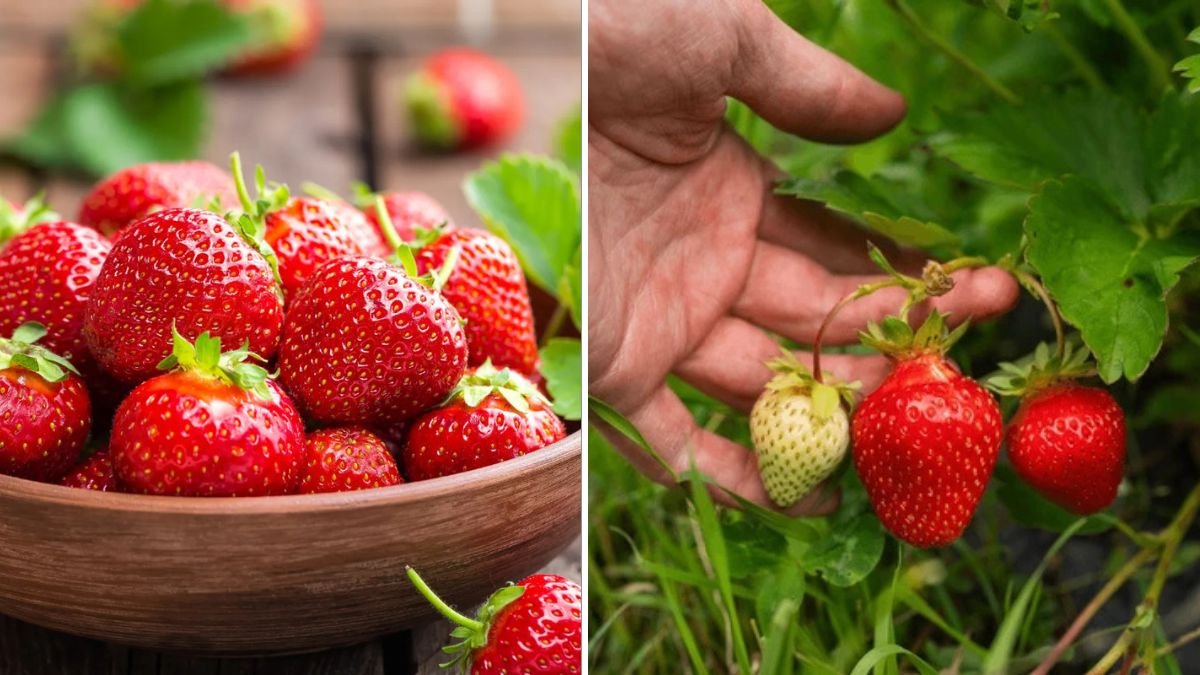
Growing strawberries in milk cans is a simple and efficient method for urban gardeners. The milk cans provide excellent drainage and enough space for root development. They also help control soil quality, reducing the risk of pests and diseases. This method is ideal for small gardens, patios, or balconies. You can move the cans around to catch the best sunlight. Strawberries grown this way tend to produce fruit faster than traditional garden beds. With proper care, you can enjoy fresh strawberries almost year-round. It is also an eco-friendly method as it reuses discarded milk cans. The key to success lies in soil preparation, watering, and proper fertilization.
Choosing the Right Milk Cans
Select clean, rust-free milk cans for planting strawberries. Metal cans work, but plastic ones are lighter and easier to move. Ensure the cans have drainage holes at the bottom. The size should be at least 12 inches deep for optimal root growth. Avoid cans previously used for chemicals or harmful substances. Painted cans can be used if the paint is non-toxic. Position them where they get at least 6–8 hours of sunlight daily. Milk cans can be arranged vertically or horizontally for aesthetic appeal. Using milk cans adds a rustic charm to your garden while being highly functional.
Preparing Soil for Maximum Fruit
Strawberries thrive in loose, well-draining soil. Mix garden soil with compost, coconut coir, and sand for aeration. Adding organic fertilizers boosts fruit size and sweetness. Maintain a slightly acidic pH of 5.5–6.5 for optimal growth. Avoid heavy clay soils that can cause waterlogging. Layer the bottom of the milk can with small stones for drainage. Fill the rest with the prepared soil mix. Ensure the soil is moist but not waterlogged before planting. Proper soil preparation can significantly improve strawberry yield and reduce plant stress.
Selecting the Best Strawberry Varieties
Choose varieties suited for container growth. Alpine, Seascape, and Chandler are excellent for milk cans. Alpine strawberries are small but flavorful and produce continuously. Chandler strawberries are larger and suitable for summer harvests. Day-neutral varieties ensure longer fruiting periods. Consider disease-resistant strains to reduce care complexity. Research local climate preferences for variety selection. Healthy plants from certified nurseries increase success rates. Selecting the right variety ensures faster fruiting and abundant harvests.

Planting Strawberries in Milk Cans
Fill the milk cans halfway with prepared soil. Position strawberry crowns slightly above soil level. Space plants at least 6 inches apart to allow air circulation. Water gently immediately after planting. Avoid burying the crown to prevent rot. Mulch the top with straw or dried leaves to retain moisture. Fertilize lightly during the initial weeks. Proper planting ensures strong roots and healthier fruit production. Container planting allows easy monitoring of soil and plant health.
Watering Techniques for Healthy Growth
Strawberries require consistent moisture but cannot tolerate waterlogged soil. Water the milk cans in the morning to allow leaf drying. Use drip irrigation or a watering can for precision. Avoid wetting the fruit to prevent fungal infections. Maintain soil moisture around 60–70%. In hot climates, water twice daily if necessary. Observe leaves for wilting signs to adjust watering frequency. Proper watering promotes larger, juicier strawberries and reduces stress. Container-grown plants need more attention than in-ground beds.
Fertilization Schedule for Maximum Yield
Use balanced organic fertilizers every 3–4 weeks. High potassium fertilizers improve fruit quality and sweetness. Compost tea or liquid seaweed works well for strawberries. Avoid over-fertilization to prevent leaf growth at the expense of fruits. Fertilize during flowering and fruiting stages for optimal results. Monitor plant color and growth for nutrient deficiencies. Rotate between liquid and granular fertilizers to maintain soil fertility. Consistent nutrition ensures faster fruiting and abundant harvests.
Sunlight Requirements
Strawberries need at least 6–8 hours of direct sunlight daily. Position milk cans on balconies, terraces, or sunny spots in your garden. Rotate cans occasionally for even light exposure. Avoid shaded areas that slow fruit production. Morning sunlight is preferable to prevent fungal diseases. In hot regions, partial afternoon shade can protect leaves. Sunlight directly impacts flowering, fruit size, and sweetness. Adequate sunlight ensures a healthy, productive strawberry harvest.

Pruning and Maintenance Tips
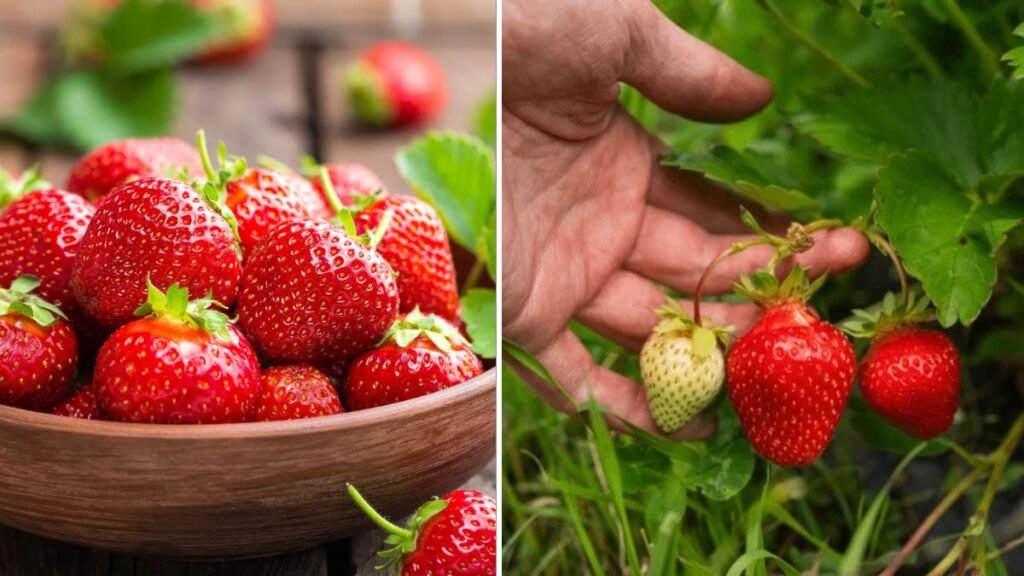
Remove runners if you want larger fruits rather than more plants. Trim dead or yellowing leaves regularly. Pinch flowers during the first month to allow plants to establish roots. Mulch around the crown to conserve moisture and prevent weeds. Clean milk cans annually to prevent pest buildup. Inspect for aphids, slugs, and other common pests. Support plant crowns to prevent bending under fruit weight. Regular maintenance ensures a long-lasting and high-yielding strawberry garden.
Harvesting Strawberries Efficiently
Pick strawberries when fully red and ripe for the best flavor. Harvest in the morning when temperatures are cooler. Use scissors or gentle hands to avoid damaging the plant. Regular harvesting encourages continuous fruit production. Avoid leaving overripe fruits as they attract pests. Store harvested strawberries in cool, dry conditions. Handle with care since container strawberries can be delicate. Efficient harvesting maximizes both yield and taste quality.
Preventing Common Diseases
Powdery mildew, leaf spot, and gray mold are common issues. Ensure proper spacing and sunlight to prevent fungal growth. Avoid overhead watering to keep foliage dry. Remove infected leaves immediately. Use organic fungicides if necessary. Rotate soil annually to minimize pathogen buildup. Maintain good air circulation around milk cans. Healthy plants are more productive and produce higher-quality strawberries.
Companion Planting Tips
Planting garlic, chives, or marigold nearby can deter pests. Basil and spinach make good companions for strawberries. Avoid planting strawberries near nightshades, which share pests. Companion plants can improve pollination and soil health. They also add aesthetic diversity to your garden. Observe plant interactions to optimize space and yield. Companion planting reduces chemical use and encourages organic gardening. Using natural allies promotes faster fruiting and abundant harvests.

Seasonal Care for Milk Can Strawberries
Winter care involves moving cans indoors or covering with frost cloth. In summer, ensure cans don’t overheat. Regularly check soil moisture and fertility. Adjust watering frequency based on seasonal temperature changes. Protect plants from strong winds. Seasonal pruning ensures plants remain healthy year-round. Rotate milk cans if sunlight exposure changes during seasons. Seasonal care maintains continuous fruiting and plant longevity.
Using Mulch for Better Growth
Straw mulch or dried leaves help retain moisture and regulate temperature. Mulch prevents soil from drying out too quickly. It also reduces weed growth around the plant. Organic mulches add nutrients to the soil as they decompose. Apply mulch 2–3 inches thick around crowns. Replace mulch annually for maximum effectiveness. Avoid direct contact with the crown to prevent rot. Mulching improves fruit size and protects container strawberries from extreme weather.
Pollination Tips for Container Strawberries
Strawberries benefit from bee and insect pollination. Hand pollination can improve fruit set in indoor or balcony setups. Use a soft brush to transfer pollen from flower to flower. Encourage pollinators by planting nectar-rich flowers nearby. Avoid pesticides during flowering to protect pollinators. Container setups may require more pollination effort than garden beds. Proper pollination ensures larger, sweeter strawberries. Pollination is key for quick and abundant harvests.
Troubleshooting Common Problems
Yellow leaves indicate nutrient deficiency or overwatering. Small fruits may result from poor pollination or improper fertilization. Wilting can be caused by heat or inconsistent watering. Rust or mold may indicate fungal infection. Inspect plants regularly for pests like aphids or spider mites. Adjust care based on plant symptoms. Container strawberries may require more attention than ground planting. Prompt troubleshooting prevents loss of fruit and ensures healthy growth.

Tips for Extending Harvest Season
Choose day-neutral varieties to harvest multiple times a year. Protect plants from frost to extend the growing season. Fertilize and water consistently to maintain productivity. Rotate containers to follow sunlight during seasons. Prune and maintain plants to stimulate new flower production. Use vertical arrangements to increase planting density. Harvest continuously to encourage new fruiting. Extending the harvest ensures fresh strawberries for months.
Eco-Friendly Benefits of Milk Can Gardening
Reusing milk cans reduces plastic and metal waste. Container gardening saves space and resources. Minimal chemical use promotes organic produce. Mobility of cans allows efficient resource management. Water can be reused with drip irrigation. Milk cans prevent soil degradation in urban areas. Encourages sustainable urban gardening practices. Combining eco-friendliness with productivity gives maximum benefit to both gardener and environment.
Table: Quick Care Guide for Milk Can Strawberries
| Aspect | Recommendation | Frequency/Time |
|---|---|---|
| Soil | Loamy with compost & sand | Before planting |
| Watering | Keep moist, avoid waterlogging | Daily/morning |
| Fertilization | Balanced organic fertilizer | Every 3–4 weeks |
| Sunlight | 6–8 hours direct sunlight | Daily |
| Pruning | Remove runners & dead leaves | Weekly |
| Harvest | Fully red ripe strawberries | Twice a week |
| Mulching | Straw or dried leaves | Annually or as needed |
| Disease Control | Fungal prevention & leaf inspection | Weekly |