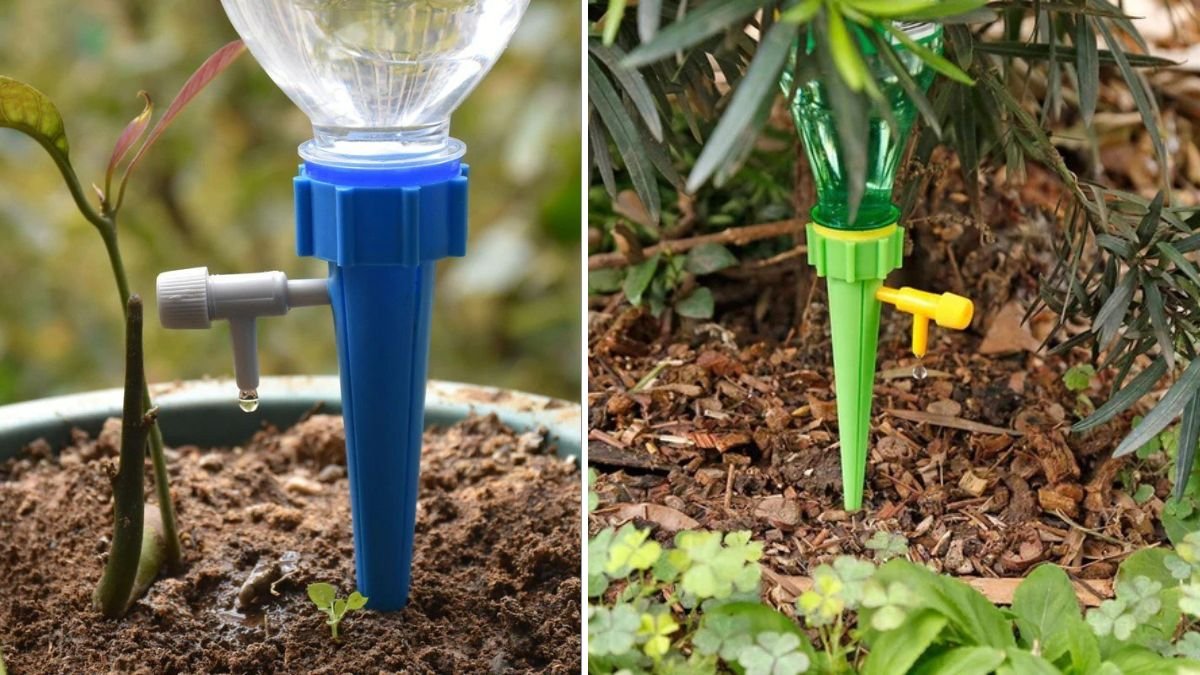
Plastic waste is one of the biggest environmental challenges today. However, with creativity, we can repurpose plastic bottles into thriving gardens. Hanging gardens save space, look aesthetic, and provide fresh herbs or vegetables right at home. By integrating automatic irrigation, these gardens require minimal maintenance. This article explores how anyone can turn discarded plastic bottles into a productive and beautiful hanging garden. Whether you live in an apartment or a small house, this guide will help you grow green effortlessly. Hanging gardens are not just functional—they are visually appealing and eco-friendly.
Why Choose Hanging Bottle Gardens
Hanging gardens are a space-saving solution for urban living. Traditional gardening often requires large spaces and extensive maintenance. In contrast, bottle gardens can be installed on balconies, windows, or patios. Automatic irrigation ensures plants receive the correct water quantity, eliminating daily watering. It also prevents overwatering, root rot, and nutrient loss. Plastic bottles are cheap, durable, and versatile for vertical gardening. This approach reduces plastic waste while supporting sustainable living. It’s perfect for beginners and experienced gardeners alike.
Materials You Will Need
To start your hanging bottle garden, gather these materials:
| Material | Purpose |
|---|---|
| Plastic bottles | Planters |
| Rope or twine | Hanging support |
| Drill or knife | Create drainage holes |
| Soil | Planting medium |
| Seeds or seedlings | To grow plants |
| Water container | Irrigation reservoir |
| Cotton or wicks | Water delivery |
These items are inexpensive and mostly recyclable. You can find most at home, reducing costs further.
Choosing the Right Plants
Not all plants are suitable for hanging bottle gardens. Choose plants that thrive in small soil volumes and can adapt to vertical growth. Examples include:

- Herbs: Basil, mint, coriander, parsley
- Vegetables: Lettuce, spinach, green onions
- Small fruits: Strawberries, cherry tomatoes
Plants with shallow roots perform best, while heavy or deep-rooted plants may stress the bottles. Selecting appropriate plants ensures your garden flourishes.
Step 1: Preparing the Bottles
Clean all bottles thoroughly to remove any residues. Cut the bottles horizontally or vertically, depending on your design preference. Drill small holes at the bottom for drainage to prevent waterlogging. Smooth edges to avoid injury while handling. Label bottles if growing multiple plant types. Clean bottles also prevent fungal growth and pests, ensuring plant health.
Step 2: Arranging the Hanging System
Decide the height and spacing for your hanging garden. Use sturdy ropes or twine to suspend the bottles from ceilings, walls, or balcony railings. Ensure the support can hold the weight of soil, water, and plants. Vertical stacking or staggered patterns creates an aesthetic appeal. Proper spacing allows airflow and sunlight to reach all plants.
Step 3: Installing Automatic Irrigation
Automatic irrigation simplifies watering and promotes consistent plant growth. Use a water reservoir at the top or side of the garden. Connect cotton wicks or drip tubes from the reservoir to each bottle. Water flows gradually, keeping soil moist without oversaturation. This system reduces manual effort and prevents overwatering.
Step 4: Soil and Fertilization
Use nutrient-rich soil suitable for your chosen plants. Mix compost or organic fertilizer to enhance soil quality. Ensure soil is loose and well-draining to promote root health. Avoid compacted soil, which restricts growth. Fertilize regularly but in moderation. Overfertilization may damage plants.

Step 5: Planting Seeds and Seedlings
Fill bottles with soil up to two-thirds of their capacity. Plant seeds or seedlings according to their spacing requirements. Water gently to settle the soil around roots. Label each bottle for easy identification. Maintain consistent moisture levels, especially during the initial growth stage.
Step 6: Placement and Sunlight
Place your hanging garden where plants receive sufficient sunlight. Most vegetables and herbs require 5–6 hours of sunlight daily. Rotate bottles occasionally to ensure even light exposure. Avoid placing near harsh winds or extreme temperatures. Sunlight directly impacts plant health, growth rate, and yield.
Step 7: Maintenance Tips
Regular maintenance is crucial for a successful hanging garden. Check water levels in the reservoir frequently. Remove dead leaves or diseased plants immediately. Prune plants to encourage healthy growth. Keep an eye on pests like aphids or spider mites. Maintenance ensures your garden remains productive and visually appealing.
Step 8: Benefits of Automatic Irrigation
Automatic irrigation saves time and water. It prevents human error in watering schedules. The consistent water flow promotes uniform plant growth. It also reduces water wastage compared to manual watering. Over time, this method proves economical and efficient, especially for busy gardeners.
Step 9: Harvesting Your Plants
Harvest herbs and vegetables when mature. Pick leaves or fruits gently to avoid damaging the plant. Regular harvesting encourages continuous growth. Some plants, like basil, benefit from pruning for fuller foliage. Enjoy fresh, pesticide-free produce directly from your hanging garden.

Step 10: Eco-Friendly Impact
By recycling plastic bottles, you reduce landfill waste. Vertical gardens also improve air quality and aesthetics. They foster a sustainable lifestyle while providing fresh food. Teaching children or neighbors about this method spreads eco-consciousness. This practice is both environmentally and personally rewarding.
Step 11: Cost Analysis
| Item | Approximate Cost |
|---|---|
| Plastic bottles | Free–$5 |
| Soil & compost | $10 |
| Seeds/seedlings | $5–$15 |
| Rope/twine | $5 |
| Drip irrigation setup | $10–$20 |
Total estimated cost: $35–$55. Investing once ensures a long-term, low-maintenance garden.
Step 12: Common Challenges
- Uneven watering
- Overcrowding of plants
- Pests and diseases
- Weak support systems
Addressing these challenges early prevents crop loss. Monitor plants regularly and adjust systems as needed.
Step 13: Seasonal Adjustments
Plants may require seasonal care. During hot months, ensure adequate shade. In colder months, bring plants closer to sunlight. Adjust watering frequency according to temperature changes. Seasonal awareness maximizes yield and plant health.
Step 14: Creative Designs
Combine bottles of different sizes for aesthetic appeal. Use colored bottles for decoration or transparent bottles to monitor soil moisture. Arrange in patterns like cascades, spirals, or grids. A creative setup enhances both functionality and visual impact.

Step 15: Indoor Hanging Gardens
Indoor hanging gardens improve air quality and add greenery to living spaces. Use small LED grow lights if sunlight is limited. Ensure good airflow to prevent mold or mildew. Indoor gardens are perfect for apartments or offices.
Step 16: Vertical vs. Horizontal Layouts
Vertical gardens save space, while horizontal layouts may allow larger plants. Consider plant type, sunlight, and available space. Both designs can incorporate automatic irrigation efficiently. Choose a layout that aligns with your living environment and plant selection.
Step 17: Community and Educational Benefits
Hanging gardens are excellent educational tools. Schools, communities, and NGOs can use them to teach sustainability. Children learn about plant growth, recycling, and water management. Community gardens strengthen social bonds and awareness about healthy living.
Step 18: Expanding Your Garden
Start small and expand gradually. Add more bottles, new plant varieties, or multiple irrigation lines. Scaling up provides a richer harvest. Expansion ensures continuous engagement and learning. It can eventually lead to year-round gardening.
Step 19: Success Stories
Urban gardeners worldwide have transformed balconies using bottle gardens. Reports indicate higher yield efficiency, less water usage, and reduced waste. The success of such gardens inspires others to adopt sustainable practices. Documenting your progress encourages community participation.

Step 20: Conclusion
A hanging garden using plastic bottles and automatic irrigation is practical, eco-friendly, and visually stunning. It saves space, reduces plastic waste, and provides fresh produce effortlessly. With minimal investment and proper care, anyone can enjoy a flourishing garden. Start today and transform discarded bottles into greenery and sustainability.