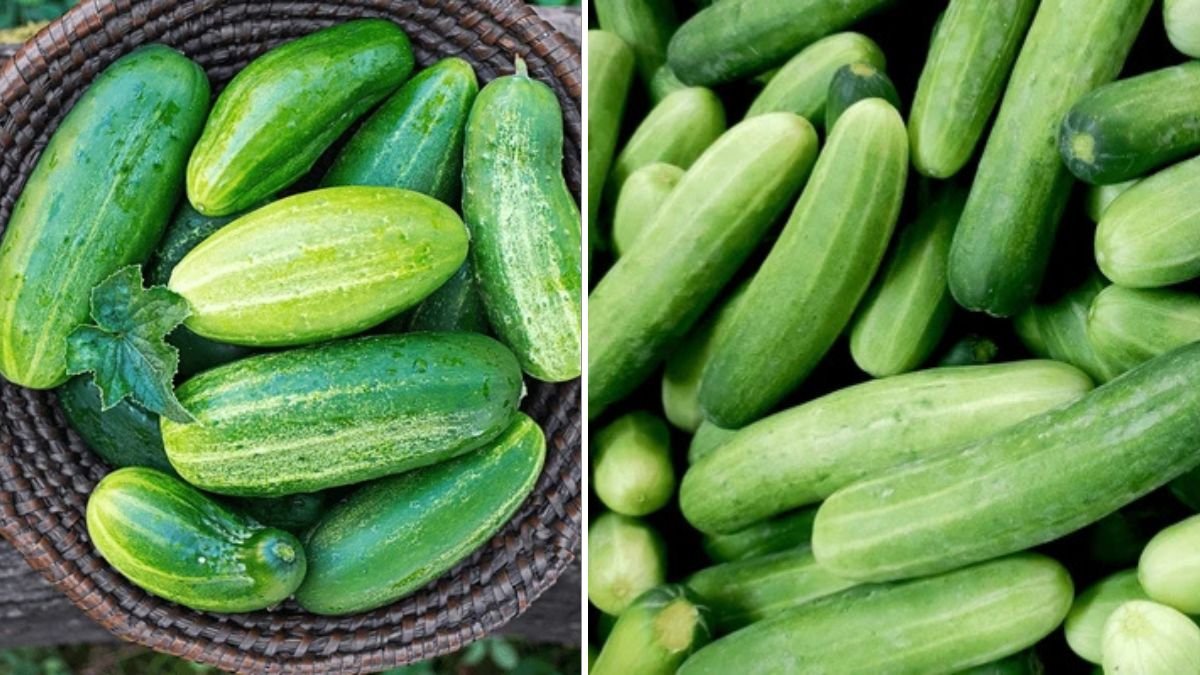
Container gardening allows growing cucumbers efficiently, even in small spaces. Plastic containers are an ideal choice because they are lightweight, affordable, and widely available. With the right soil, sunlight, watering, and support, cucumbers can flourish in containers and produce abundant fruit. This guide provides step-by-step instructions to grow healthy cucumbers in plastic containers and achieve maximum yield.
1. Advantages of Container Cucumber Gardening
Growing cucumbers in containers provides flexibility and control over soil quality. It reduces pest and disease exposure compared to in-ground planting. Containers can be moved to optimize sunlight exposure. Plastic containers are durable, reusable, and cost-effective. This method is perfect for balconies, terraces, and small gardens. Container gardening also allows precise watering and fertilization, increasing cucumber yield.
2. Choosing the Right Plastic Container
Select containers with a capacity of at least 15–20 liters. Ensure they have drainage holes to prevent waterlogging. Avoid thin plastic that may crack under soil weight. Deep containers are preferable for long root development. Round or rectangular shapes work equally well. Transparent plastic should be avoided to prevent root heating. Reinforce containers if necessary to maintain stability during growth.
3. Preparing the Container
Clean the container thoroughly before planting. Drill additional drainage holes if needed. Add a layer of small stones or gravel at the bottom to improve drainage. Use a breathable liner if soil is likely to leak. Position containers in a sunny spot that receives at least 6–8 hours of sunlight daily. Proper preparation ensures a healthy root environment.

4. Selecting Cucumber Varieties
Bush or dwarf cucumber varieties are ideal for container gardening. Examples include ‘Bush Champion’ and ‘Spacemaster.’ These varieties produce more fruit in small spaces and are easier to manage. Consider disease-resistant hybrids for better results. Organic seeds ensure healthier plants. Select varieties suited to your climate and growing season.
5. Soil and Nutrient Mix
Cucumbers thrive in nutrient-rich, well-draining soil. Mix garden soil, compost, and cocopeat in equal parts. Add perlite for aeration. Maintain soil pH between 6.0–6.8. Incorporate slow-release organic fertilizers. Avoid heavy clay soils that may retain excess water. Proper soil mix ensures strong root growth and high fruit production.
6. Planting Cucumber Seeds
Plant seeds 1–2 inches deep, with 2–3 seeds per container. Cover lightly with soil and water gently. Thin seedlings to one strong plant per container after germination. Maintain proper spacing to avoid crowding. Ensure containers are in a sunny location. Germination usually occurs within 7–10 days. Healthy seedlings form the foundation for maximum yield.
7. Watering Schedule
Cucumbers require consistent moisture for optimal growth. Water regularly but avoid waterlogging. Morning watering reduces the risk of fungal diseases. Use drip irrigation or watering cans for controlled watering. Mulching helps retain soil moisture and prevents soil temperature fluctuations. Well-watered cucumbers produce larger and more fruits.

8. Fertilization Plan
Apply nitrogen-rich fertilizers during vegetative growth. Switch to phosphorus and potassium-rich fertilizers when flowering begins. Organic options like compost tea enhance growth naturally. Foliar sprays provide quick nutrient absorption. Fertilize every 2–3 weeks or as needed. Proper nutrition increases cucumber size and overall yield.
9. Supporting Container Cucumbers
Cucumbers benefit from vertical support in containers. Use trellises, stakes, or netting for climbing varieties. Bush types may need minimal support but benefit from slight staking. Vertical growth improves air circulation and sunlight exposure. Tying vines loosely prevents stem damage. Support structures maximize space efficiency and fruit production.
10. Managing Pests and Diseases
Container cucumbers face fewer pests but need monitoring. Common pests include aphids, spider mites, and cucumber beetles. Neem oil or organic insecticides help control infestations. Ensure proper air circulation to prevent fungal diseases. Remove damaged leaves promptly. Healthy plants yield more and larger cucumbers.
11. Pollination Techniques
Cucumber plants require pollination for fruiting. Hand-pollinate female flowers using a small brush if pollinators are absent. Transfer pollen from male to female flowers for maximum fruit set. Proper pollination ensures higher yield and quality.

12. Pruning for Better Growth
Remove yellow or damaged leaves regularly. Trim excess lateral shoots to focus energy on fruit production. Maintain airflow around plants to prevent fungal infections. Container-grown cucumbers benefit from light pruning to optimize growth. Proper pruning ensures more fruits per plant.
13. Harvesting Cucumbers
Harvest cucumbers when they reach optimal size (6–8 inches). Use a sharp knife to avoid damaging vines. Frequent harvesting encourages continuous fruit production. Store harvested cucumbers in a cool place. Timely harvesting improves yield and fruit quality.
14. Maximizing Yield
Plant multiple containers for staggered production. Use vertical trellises to save space. Ensure optimal sunlight and consistent watering. Regularly fertilize and prune plants. Proper care techniques result in maximum cucumber yield from limited space.
15. Container Gardening Benefits
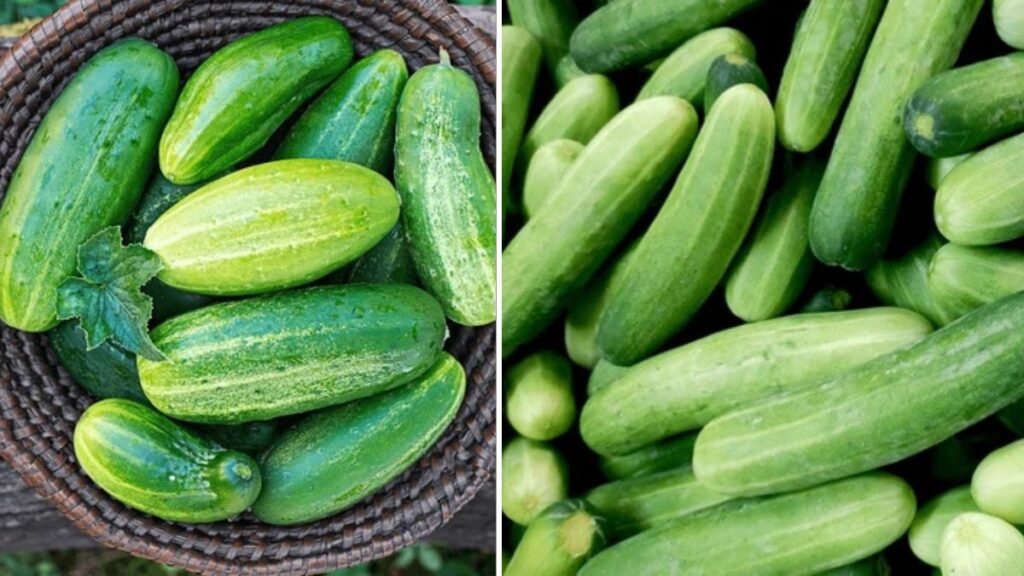
Plastic containers make cucumber gardening accessible to urban dwellers. Portable, reusable, and affordable containers allow growing in small spaces. Controlled environment improves plant health and fruit quality. Container gardening encourages sustainable, eco-friendly practices.

16. Common Challenges and Solutions
Root rot, yellow leaves, and pests are common challenges. Ensure proper drainage, sunlight, and nutrition. Monitor plant health and apply organic pest control. Choosing disease-resistant varieties minimizes issues. Effective solutions lead to healthier, productive cucumber plants.
17. Extending the Growing Season
Move containers indoors or cover during cold weather. Start seeds indoors for early growth. Use mulch to retain soil warmth. Extend sunlight exposure with reflective surfaces. These techniques allow harvesting cucumbers almost year-round.
18. Creative Uses of Extra Cucumbers
Excess cucumbers can be used fresh in salads, pickles, or smoothies. Donate surplus produce or preserve it by pickling. Container-grown cucumbers provide fresh, organic produce while reducing food waste.
19. Tracking Plant Growth
Maintain a gardening journal to record watering, fertilization, and harvest. Note plant height, number of fruits, and yield per container. Tracking growth helps improve future container gardening strategies.

20. Conclusion
Plastic container gardening allows urban gardeners to grow cucumbers efficiently. With proper soil, sunlight, watering, support, and care, containers produce abundant, high-quality cucumbers. Start today and enjoy fresh, homegrown cucumbers from your balcony or terrace.