1. Introduction to Home Watermelon Gardening
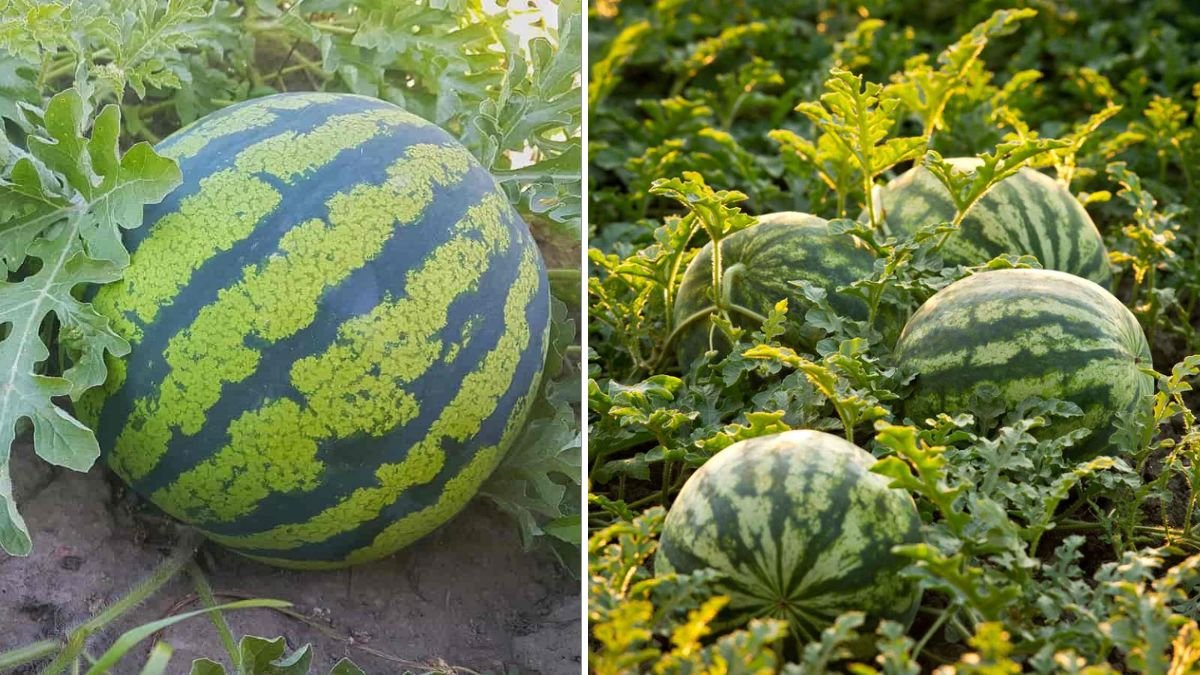
Growing sweet watermelons at home is easier than most people think when the correct method is followed. Watermelons thrive in warm climates and reward gardeners with large, juicy fruits. Home gardening allows complete control over soil, water, and nutrition. The taste of freshly harvested watermelon is far superior to store-bought ones. Even small gardens, terraces, or backyards can support healthy vines. With proper spacing and care, yields increase dramatically. Beginners often succeed with simple techniques. This guide explains everything step by step. You do not need expensive tools or advanced skills. Just follow these instructions for abundant harvests.
2. Why Watermelons Are Perfect for Home Gardens
Watermelons grow aggressively and cover ground quickly. Their vines suppress weeds naturally. They love sunlight and warm soil, common in home gardens. Once established, they require minimal daily attention. Home-grown watermelons mature naturally without chemicals. You can select sweeter varieties suited to your climate. Pollination occurs easily outdoors. Garden-grown fruits develop deeper flavor. Space utilization can be optimized using ground or vertical support. Watermelons offer high yield for low effort.
3. Choosing the Best Watermelon Variety
Selecting the right variety is essential for sweetness and yield. Sugar Baby, Crimson Sweet, and Charleston Gray are popular choices. Small to medium varieties are ideal for home gardens. Disease-resistant seeds reduce failure risk. Early-maturing varieties give quicker harvests. Local seed varieties often adapt better to climate conditions. Seed quality directly impacts fruit size and sweetness. Avoid hybrid seeds if you want seed saving. Read seed labels carefully. Proper selection ensures successful results.
4. Ideal Location and Sunlight Requirements
Watermelons need full sunlight throughout the day. Choose a location receiving at least eight hours of direct sun. Open areas with good airflow reduce disease risk. Avoid shaded corners or tree-covered spots. Warm soil speeds up vine growth. South-facing areas perform best. Consistent sunlight enhances sugar development. Poor light leads to bland fruits. Space should allow vines to spread freely. Correct location sets the foundation for success.

5. Soil Preparation for Sweet Watermelons
Loose, fertile soil is essential for strong root growth. Mix garden soil with compost and well-rotted manure. Sandy loam soil works best. Good drainage prevents root rot. Avoid compacted or clay-heavy soil. Soil pH should be slightly acidic to neutral. Organic matter improves water retention. Healthy soil supports heavy fruits. Preparing soil early improves results. Nutrient-rich soil means sweeter watermelons.
6. Planting Seeds the Right Way
Sow seeds directly into the soil once temperatures are warm. Plant seeds one inch deep. Space plants generously to avoid overcrowding. Water gently after sowing. Germination usually occurs within one week. Thin seedlings to retain strongest plants. Avoid transplanting if possible. Strong early growth ensures healthy vines. Proper planting minimizes stress. Good start leads to higher yield.
7. Watering Schedule for Rapid Growth
Watermelons require deep but infrequent watering. Overwatering causes bland taste. Water deeply two to three times per week. Morning watering is ideal. Reduce watering near harvest time to increase sweetness. Mulching helps retain moisture. Avoid wetting leaves excessively. Consistent moisture supports vine growth. Irregular watering causes cracked fruits. Balanced watering improves quality.
8. Fertilizing for Bigger and Sweeter Fruits
Watermelons are heavy feeders during growth stages. Use compost tea or organic fertilizers. Nitrogen helps early vine growth. Phosphorus supports flowering. Potassium improves fruit sweetness. Avoid excessive nitrogen after flowering. Feed plants every two weeks. Natural fertilizers improve soil health. Balanced feeding leads to massive fruits. Proper nutrition is critical.

9. Vine Management and Spacing
Allow vines to spread freely on the ground. Turn vines gently to guide growth. Avoid breaking stems. Space improves airflow and reduces disease. Crowded vines compete for nutrients. Proper spacing leads to uniform fruit development. Manage vines carefully during fruit formation. Healthy vines support heavy melons. Ground cover prevents soil contact. Vine care affects yield size.
10. Flowering and Pollination
Watermelons produce male and female flowers. Bees naturally assist pollination. Hand pollination can improve fruit set. Pollinate in early morning hours. Poor pollination results in misshapen fruits. Healthy flowers indicate good nutrition. Avoid pesticides during flowering. Proper pollination increases yield. Each pollinated flower becomes a watermelon. Successful flowering ensures harvest.
11. Fruit Development Techniques
Limit fruits per plant for larger size. Two to four melons per vine are ideal. Rotate fruits gently to avoid flat spots. Place straw under fruits to prevent rot. Monitor growth regularly. Proper spacing allows even development. Support fruits if growing vertically. Healthy fruits gain weight steadily. Careful handling prevents damage. Fruit management increases quality.
12. Mulching Benefits
Mulch conserves soil moisture effectively. It regulates soil temperature. Straw or dry leaves work well. Mulching suppresses weeds naturally. Keeps fruits clean and dry. Reduces watering frequency. Protects roots from heat stress. Organic mulch improves soil over time. Mulching boosts yield. Simple practice with big benefits.

13. Pest Control Naturally
Common pests include aphids and beetles. Neem oil spray controls pests effectively. Hand-picking pests works well in small gardens. Healthy soil strengthens plant immunity. Avoid chemical pesticides. Regular inspection prevents infestation. Remove infected leaves promptly. Natural methods keep fruits safe to eat. Early control saves harvest. Organic care ensures clean produce.
14. Disease Prevention Tips
Good airflow reduces fungal diseases. Avoid overhead watering at night. Rotate crops yearly. Use disease-resistant varieties. Remove infected plants quickly. Clean tools regularly. Healthy soil prevents root diseases. Mulching reduces soil splash. Preventive care is essential. Healthy plants produce sweeter fruits.
15. Knowing When to Harvest
Watermelons are ready when tendrils dry near the fruit. The bottom spot turns yellow. Sound becomes hollow when tapped. Fruit size reaches maturity. Harvesting too early reduces sweetness. Use a sharp knife to cut vines. Handle fruits gently. Correct timing ensures maximum sugar. Harvesting skill improves quality. Observation is key.
16. Storage and Usage
Fresh watermelons store well in cool places. Refrigerate after cutting. Consume within a few days for best taste. Avoid freezing whole melons. Proper storage maintains flavor. Home-grown watermelons have longer freshness. Use for juices and desserts. Handle carefully to prevent cracks. Storage completes the growing cycle. Fresh taste is unmatched.

17. Common Growing Mistakes
Overwatering is a frequent mistake. Crowded planting reduces fruit size. Poor sunlight causes bland taste. Excess nitrogen delays fruiting. Ignoring pests damages yield. Harvesting too early reduces sweetness. Poor soil preparation limits growth. Learning mistakes improves future harvests. Awareness saves effort. Experience leads to mastery.
18. Seasonal Growing Tips
Plant during warm seasons only. Protect young plants from cold winds. Increase watering during heat waves. Reduce watering before harvest. Monitor soil moisture regularly. Adjust fertilization by growth stage. Seasonal care improves results. Climate awareness is important. Adapt methods as needed. Seasonal timing ensures success.
19. Watermelon Growing Table
| Factor | Recommendation |
|---|---|
| Sunlight | 8+ hours daily |
| Soil type | Sandy loam, fertile |
| Watering | Deep, moderate |
| Fertilizer | Organic, balanced |
| Fruits per plant | 2–4 |
20. Conclusion
Growing sweet watermelons at home is highly rewarding. With proper soil, sunlight, and watering, success is guaranteed. Simple techniques produce massive yields. Home gardeners enjoy better taste and freshness. Organic methods keep fruits healthy. Proper planning prevents common mistakes. Consistency leads to bigger harvests. Even beginners can succeed easily. Follow these instructions carefully. Enjoy tons of sweet, juicy watermelons.
