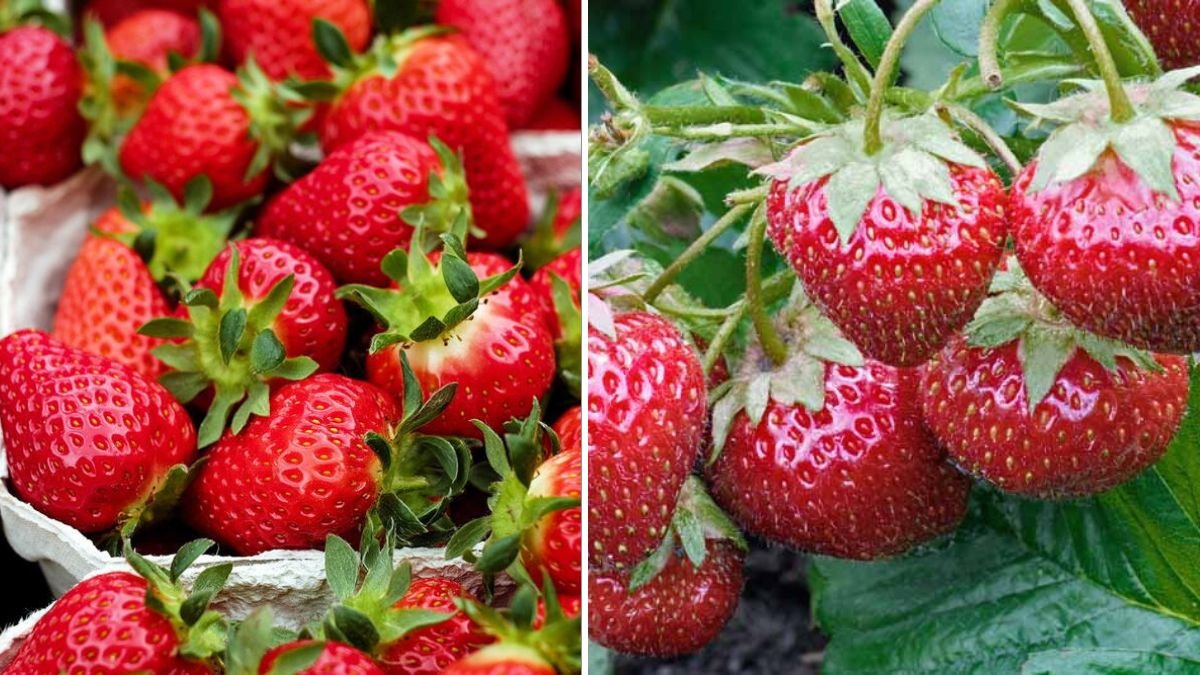
Strawberries are one of the most rewarding fruits to grow at home. They are compact, productive, and perfect for containers or garden beds. Homegrown strawberries are sweeter and fresher than store-bought ones. With proper care, they can produce continuously for months. Growing strawberries improves nutrition and reduces pesticide use. This guide explains step-by-step methods. Even beginners can achieve healthy plants. Fresh strawberries are delicious and easy to maintain.
Why Homegrown Strawberries Are Better
Store-bought strawberries are often picked early. Homegrown fruits ripen fully, offering natural sweetness. You control soil quality, watering, and feeding. Fewer chemicals mean healthier fruit. You can choose disease-resistant varieties. Home gardens produce more flavorful berries. Harvesting at the peak stage ensures freshness. Growing strawberries is rewarding and cost-effective.
Choosing the Right Strawberry Variety
Select varieties suited for your climate. Day-neutral strawberries produce fruit continuously. Alpine strawberries are compact and perfect for containers. June-bearing varieties give one large harvest. Disease-resistant hybrids reduce maintenance. Local varieties adapt better to environmental conditions. Variety choice affects yield and flavor. Choose wisely for a successful harvest.
Preparing the Soil
Strawberries thrive in loose, fertile soil. Mix garden soil with compost and coco peat. Ensure good drainage to avoid root rot. Avoid heavy clay soil. Organic matter improves fertility and moisture retention. pH should be slightly acidic, around 5.5–6.5. Rich soil supports strong roots and flowering. Proper preparation increases plant vigor.

Starting from Seeds or Seedlings
Seeds take longer but allow variety selection. Seedlings establish faster and produce quicker. Plant seedlings carefully to avoid root damage. Space them adequately to prevent crowding. Water immediately after planting. Healthy seedlings grow faster and yield better. Direct planting reduces transplant stress. Proper technique ensures early harvests.
Sunlight Requirements
Strawberries need 6–8 hours of direct sunlight daily. Place containers or garden beds in a bright location. Inadequate sunlight reduces flowering and fruiting. Rotate plants if light is uneven. Warm sunlight improves flavor and sweetness. Sunlight accelerates growth. Full sun exposure ensures high-quality harvests. Proper placement is essential.
Watering Strawberries
Strawberries require consistent moisture but not waterlogging. Check soil daily, especially in hot weather. Morning watering is preferred. Use a gentle spray to avoid washing away soil. Overwatering causes root rot. Drip irrigation is ideal for containers. Consistent moisture ensures healthy fruits. Balanced watering supports continuous production.
Fertilizing for Maximum Yield
Feed plants regularly with organic compost. Use liquid fertilizer every two weeks during flowering. Avoid excessive nitrogen, which favors leaves over fruit. Balanced nutrients promote flowering and fruiting. Potassium improves sweetness and fruit size. Slow-release fertilizer can be added to soil. Fertilization boosts yield and plant health. Proper feeding ensures juicy berries.

Mulching Strawberries
Mulch conserves soil moisture and prevents weeds. Straw or dried leaves are perfect options. Mulching stabilizes soil temperature. Keeps berries clean and prevents rot. Organic mulch decomposes, adding nutrients. Reduces watering frequency. Mulched plants grow stronger. Mulching is simple and effective.
Supporting Plants
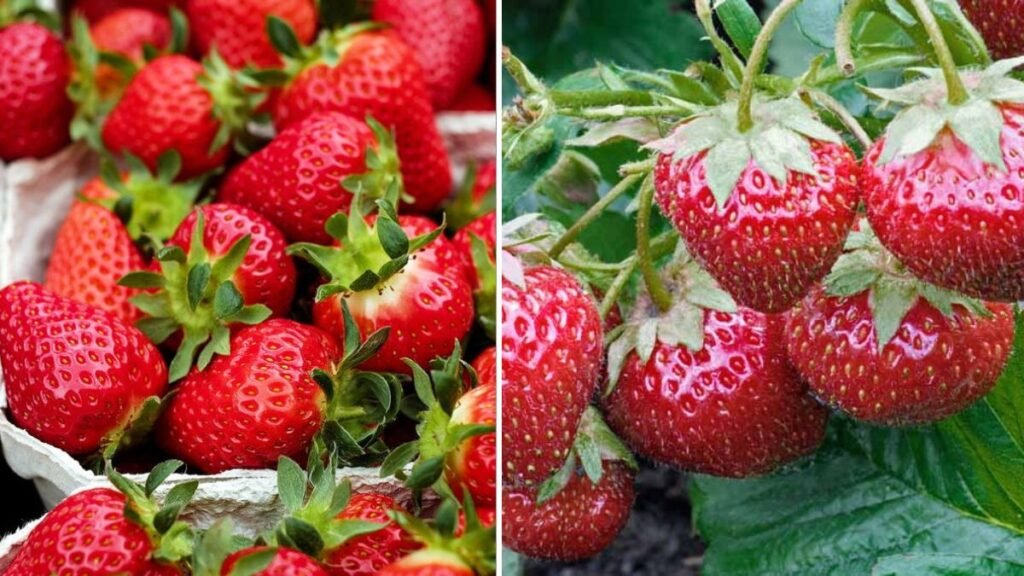
Strawberries benefit from support to keep fruit off the soil. Use low netting or plastic sheets. Prevents rot and pest damage. Keeps berries clean. Supports improve airflow. Plants grow more evenly. Reduces disease risks. Simple support structures maximize productivity.
Pollination for Better Fruits
Strawberries are self-pollinating but benefit from insects. Encourage bees and pollinators near plants. Hand pollination can increase fruit set. Healthy flowers attract pollinators naturally. Proper pollination improves fruit size and quality. Morning activity enhances results. Pollination ensures higher yield. Don’t ignore this step.
Pest Management Naturally
Common pests include aphids and slugs. Remove by hand or use neem oil. Healthy plants are more resistant. Avoid chemical sprays to preserve fruit quality. Clean surroundings reduce infestations. Inspect plants weekly. Early pest control prevents damage. Natural methods are safe and effective.

Disease Prevention
Good airflow prevents fungal issues. Avoid wetting leaves when watering. Remove infected or damaged leaves promptly. Rotate crops yearly in garden beds. Disease-resistant varieties help. Healthy soil reduces fungal infections. Preventive practices are easier than treatment. Proper care ensures healthy plants.
Harvesting Strawberries
Harvest when fruits are fully red. Use scissors or fingers gently to avoid damage. Morning harvest preserves freshness. Frequent picking encourages more fruit production. Avoid overripe fruits that reduce energy for new berries. Proper harvesting increases total yield. Fresh strawberries taste better. Timing is critical.
Container vs Garden Bed Growing
Containers save space and allow mobility. They reduce soil-borne diseases. Garden beds provide more space and larger harvests. Both methods require proper soil, sunlight, and watering. Containers work for small terraces or balconies. Garden beds suit larger areas. Both produce delicious fruits when cared for. Choose according to space and need.
Seasonal Care Tips
Winter: protect plants from frost with mulch or shade cloth. Summer: ensure adequate water and sunlight. Adjust feeding based on growth stage. Seasonal care prevents stress. Protect from extreme weather. Monitor for pests seasonally. Healthy plants produce consistently. Adjusting care ensures high yields.

Pruning and Maintenance
Remove old leaves to improve airflow. Light pruning improves fruit quality. Avoid heavy pruning that damages crowns. Focus on flowers and new growth. Clean tools prevent disease spread. Proper maintenance promotes healthy plants. Regular pruning increases yield. Maintenance is simple but essential.
Strawberry Growing Summary Table
| Factor | Best Practice | Benefit |
|---|---|---|
| Soil | Loose, fertile, well-drained | Healthy roots and fruit |
| Sunlight | Full 6–8 hours | Juicy, sweet berries |
| Water | Consistent, morning | Prevents root rot |
| Fertilizer | Balanced organic feed | Maximizes yield |
Common Mistakes to Avoid
Overwatering causes root rot. Poor sunlight reduces yield. Skipping fertilization limits fruiting. Crowding increases disease. Late harvesting reduces quality. Ignoring pests damages plants. Heavy pruning weakens crowns. Avoiding mistakes ensures success.
Conclusion
Growing strawberries is rewarding and easy. Proper soil, sunlight, and watering are key. Mulching, pollination, and pruning improve yields. Pest and disease management ensures healthy plants. Both containers and garden beds work well. Regular harvesting provides continuous production. Anyone can grow sweet, juicy strawberries at home. Enjoy fresh strawberries year-round.
