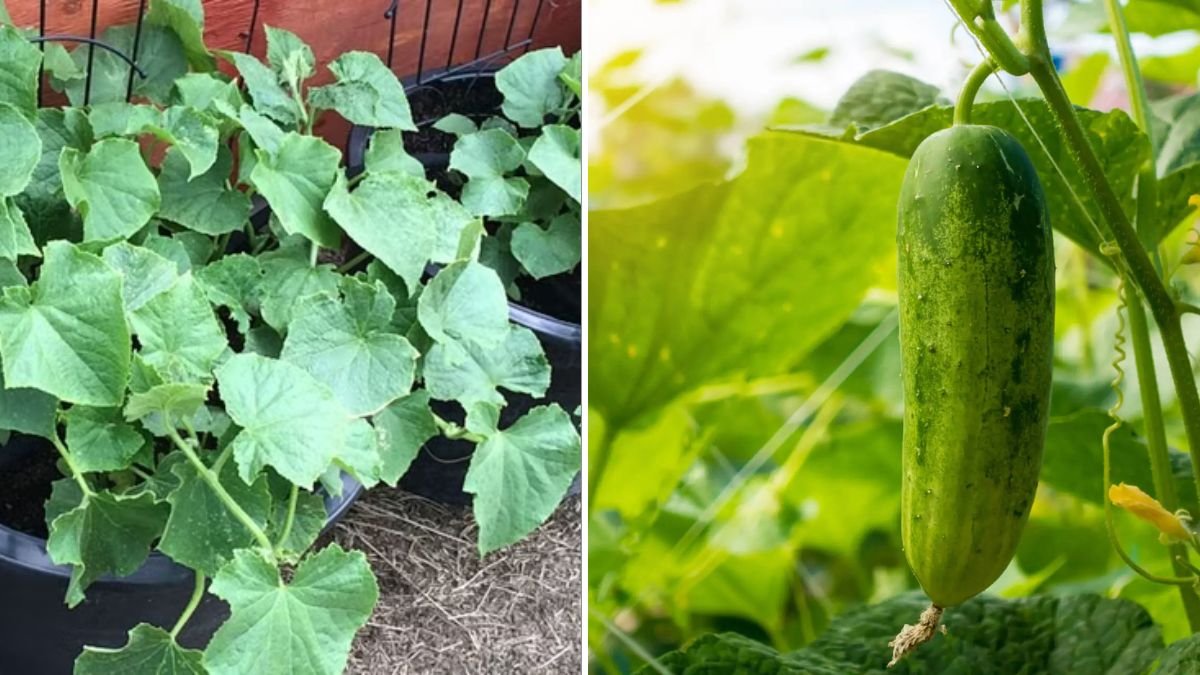
Many urban dwellers think cucumbers require a garden, but this is a myth. With the right containers and techniques, cucumbers can thrive anywhere. From balconies to rooftops, you can grow crisp, fresh cucumbers without soil beds. Container cucumber growing saves space and reduces weed issues. Homegrown cucumbers taste better and are chemical-free. Vertical growing also boosts airflow and fruit quality. Even beginners can achieve great yields with minimal setup. Urban farming makes fresh vegetables accessible. Cucumbers adapt well to container and trellis systems. This guide covers all the steps for success.
1. Selecting the Perfect Cucumber Variety
Choose bush or dwarf cucumber varieties for container growth. Patio hybrids and pickling cucumbers are ideal. Avoid sprawling field types that need large plots. Hybrid seeds often offer disease resistance. Local climate adaptation ensures better survival. Healthy seedlings guarantee strong growth. Correct variety reduces maintenance and increases yield. Compact varieties suit small spaces perfectly. Variety selection impacts vine length and fruit production. Starting with the right type simplifies the process.
2. Choosing the Right Container
Cucumbers need space for their root system. Pots should be at least 12 inches deep and wide. Buckets, grow bags, and plastic tubs work well. Ensure adequate drainage holes. Lightweight containers make relocation easy. Durable, food-grade plastic prevents chemical leaching. Stabilize containers to prevent tipping. Container size affects fruit size and vine health. Proper container selection ensures strong roots. Correct containers lay the foundation for success.
3. Preparing Nutrient-Rich Soil
Loose, well-draining soil is essential. Mix compost, coco peat, and garden soil. Avoid compacted or heavy clay soils. Organic matter retains moisture and nutrients. Fertile soil supports rapid growth and flowering. Fresh soil reduces disease risk. Balanced soil encourages healthy root expansion. Adequate nutrients increase fruit size. Quality soil ensures continuous production. Healthy soil equals healthy cucumbers.

4. Planting Seeds or Seedlings
Plant seeds 1 inch deep in containers. Thin seedlings to one per container once sprouted. Transplant seedlings with two to three true leaves. Handle roots gently to prevent shock. Early morning or late afternoon planting minimizes stress. Firm soil around roots to stabilize plants. Proper spacing prevents overcrowding. Planting depth affects root establishment. Strong beginnings lead to robust vines. Correct planting ensures healthy growth.
5. Sunlight Requirements
Cucumbers need 6–8 hours of sunlight daily. South or west-facing balconies work best. Rotate containers weekly for even exposure. Insufficient sunlight weakens flowering. Morning sun boosts steady growth. Afternoon shade prevents heat stress. Observe balcony light patterns carefully. Sunlight directly affects fruit set. Proper placement improves productivity. Light management is critical for success.
6. Watering Techniques
Containers dry faster than garden soil. Water deeply when topsoil dries slightly. Early morning watering is ideal. Avoid waterlogging to prevent root rot. Mulching conserves moisture and reduces evaporation. Consistent watering ensures steady fruit development. Inconsistent hydration may cause bitter cucumbers. Monitor soil daily in hot weather. Balanced watering promotes healthy growth. Water management is vital for quality cucumbers.
7. Vertical Support Systems
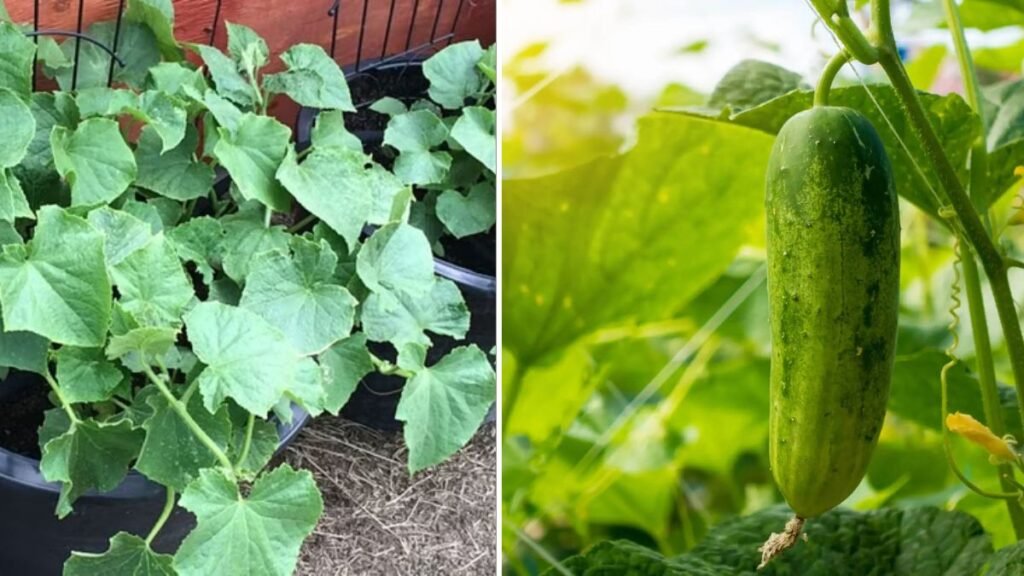
Cucumbers grow best vertically. Use trellises, nets, or bamboo frames. Vertical growth saves space and improves airflow. Fruits hang cleanly and remain straight. Install support early to guide vines. Tie vines gently to prevent breakage. Strong support simplifies harvesting. Vertical systems maximize container yields. Balcony safety improves with controlled growth. Trellising enhances both yield and convenience.

8. Feeding Cucumbers
Cucumbers are heavy feeders. Use liquid organic fertilizer or compost tea. Feed every 10–14 days. Avoid excessive nitrogen early; focus on phosphorus and potassium. Phosphorus improves flowering, potassium boosts fruit quality. Observe plant response to adjust nutrients. Balanced feeding ensures continuous production. Weak growth signals nutrient deficiency. Proper feeding maximizes harvest. Nutrition is key for vigorous vines.
9. Pruning and Vine Training
Remove weak, overcrowded, or yellowing shoots. Focus energy on main vines and fruits. Avoid excessive pruning during flowering. Training vines upward improves airflow. Proper pruning reduces pest risks. Clean tools prevent disease spread. Controlled growth enhances sunlight penetration. Healthy vine structure produces larger fruits. Pruning improves plant health and yield. Systematic vine management is essential.
10. Pollination Tips
Cucumbers require pollination to set fruit. Encourage bees with nearby flowering plants. Hand pollination may be necessary indoors. Gently transfer pollen from male to female flowers. Good airflow aids natural pollination. Misshapen fruits indicate poor pollination. Monitoring flower health improves results. Pollination directly affects yield. Proper techniques ensure high-quality fruit. Simple interventions improve productivity.
11. Common Pests and Organic Control
Aphids, spider mites, and whiteflies may attack. Inspect leaves weekly. Neem oil or insecticidal soap works effectively. Remove infested leaves promptly. Avoid overcrowding containers. Healthy plants resist pests naturally. Early detection prevents severe damage. Maintain cleanliness around containers. Regular checks protect your harvest. Organic methods keep fruits safe to eat.

12. Disease Prevention
Good airflow reduces fungal infections. Avoid wetting leaves while watering. Use fresh soil each season. Remove diseased parts immediately. Clean containers and tools. Prevention is easier than treatment. Healthy plants resist disease better. Balanced watering prevents rot. Monitor regularly for early signs. Proper care ensures longevity.
13. Flowering and Fruit Development
Female flowers develop into fruits. Stress causes flower drop. Consistent water and nutrients support flowering. Support growing fruits properly. Healthy flowers ensure higher yields. Observation helps adjust care. Balanced growth promotes uniform fruiting. Flowering stage determines harvest success. Proper management leads to better production. Stability improves results.
14. Harvesting Cucumbers
Pick cucumbers while tender and crisp. Overripe fruits reduce further production. Use scissors to avoid vine damage. Harvest every two to three days. Morning harvest preserves freshness. Frequent harvesting encourages new flowers. Gentle handling prevents bruising. Proper timing improves taste. Regular harvesting increases total yield. Harvesting technique matters greatly.
15. Growing Cucumbers Year-Round
Warm climates allow continuous growth. Protect plants during extreme heat. Shade nets or indoor relocation may be necessary. Winter growing requires some protection in colder regions. Container mobility enables climate adaptation. Stagger planting for continuous harvest. Seasonal planning boosts productivity. Balcony systems adjust easily. Year-round cucumbers are achievable. Planning ensures consistent results.

16. Common Mistakes to Avoid
Small containers limit growth. Inconsistent watering causes bitterness. Skipping support weakens vines. Overfertilization reduces fruiting. Ignoring sunlight reduces flowering. Neglecting pests harms plants. Learning from mistakes improves success. Small corrections yield big results. Awareness prevents problems. Experience leads to better harvests.
17. Cost and Space Benefits
Container cucumber farming is budget-friendly. Pots and trellises are reusable. High yield from limited space. Reduced grocery costs. Fresh, chemical-free cucumbers at home. Efficient water usage. Ideal for apartment gardening. Minimal investment delivers maximum return. Sustainable and productive. Space-saving gardening works well.
18. Sustainability Advantages
Homegrown cucumbers reduce food miles. Organic practices protect the environment. Reusing containers reduces plastic waste. Efficient use of water and nutrients conserves resources. Balcony farms improve urban greenery. Eco-friendly habits benefit households. Small urban gardens create community inspiration. Sustainability starts at home. Minimal resources yield significant harvests. Eco-conscious practices produce healthy food.
19. Why Homegrown Cucumbers Taste Better
Freshly harvested cucumbers are crisp and flavorful. No chemical residues. Peak-harvest freshness enhances taste. Control over soil and nutrition improves quality. Balanced care boosts texture and sweetness. Stress-free plants produce superior fruits. Flavor difference is noticeable. Homegrown cucumbers outperform store-bought. Regular harvesting ensures continuous fresh supply. Taste and quality justify container growing.

20. Conclusion: Growing Cucumbers Without a Garden
You don’t need a garden for cucumber success. Containers, sunlight, water, and nutrients are enough. Vertical growing maximizes small spaces. Cucumbers reward consistent care generously. Beginners can achieve impressive yields. Minimal investment, maximum output. Balcony gardening empowers urban growers. Continuous harvest ensures fresh vegetables. Space-efficient gardening is highly productive. Start today and enjoy crisp, homegrown cucumbers.
Table: Container Cucumber Quick Guide
| Factor | Requirement | Benefit |
|---|---|---|
| Container | 12-inch deep pot | Strong roots |
| Soil | Compost + coco peat | Nutrient-rich |
| Sunlight | 6–8 hours | Flowering & fruiting |
| Water | Consistent, not flooded | Crisp fruits |
| Support | Trellis/net | Space-saving & clean fruits |