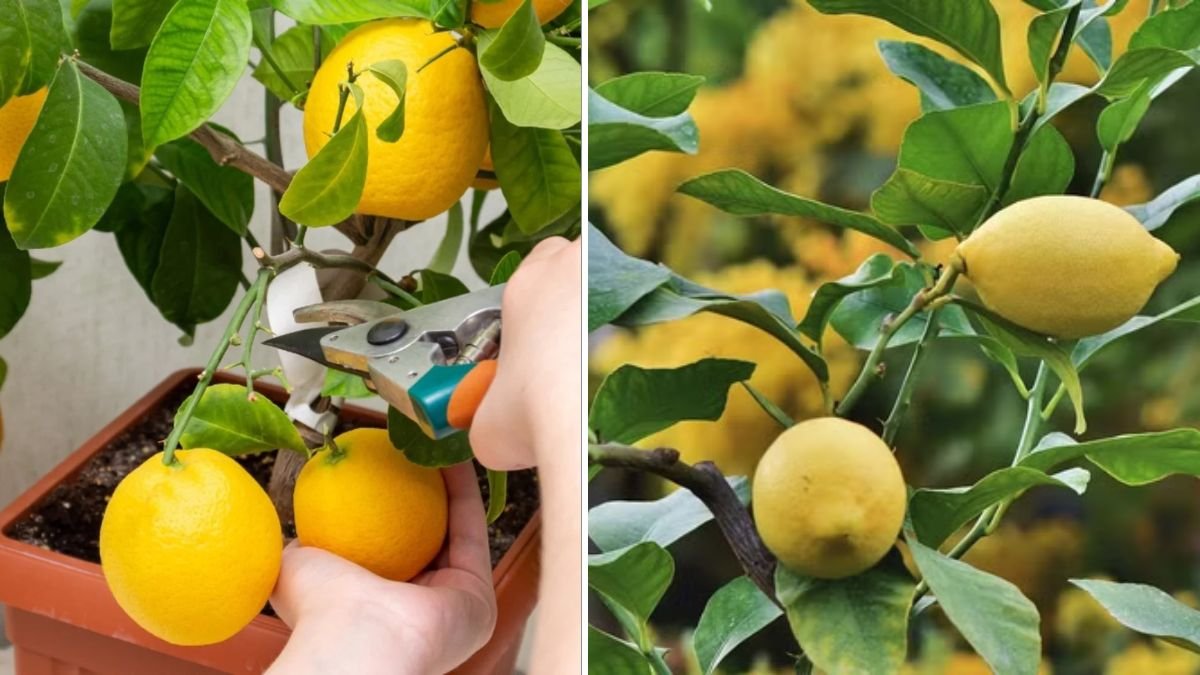
Growing lemon trees from cuttings is one of the easiest and fastest ways to propagate citrus plants at home. Unlike seeds, cuttings produce plants that are identical to the parent tree and start fruiting earlier. Many home gardeners prefer this method because it saves time, money, and effort. Lemon cuttings allow you to preserve the taste, size, and productivity of a favorite tree. This method is ideal for home gardens, terraces, and container growing. With the right technique, success rates can be very high. Lemon trees grown from cuttings are usually stronger and more predictable. This guide explains the entire process step by step. Anyone can follow it without special tools. Proper care ensures healthy lemon plants for years.
1. Choosing the Right Lemon Tree for Cuttings
Selecting a healthy parent lemon tree is the most important step in propagation. The tree should be disease-free, productive, and at least two to three years old. Avoid trees with yellow leaves, pest infestations, or weak growth. Strong branches produce stronger roots. Choose a tree that already bears good-quality lemons. The parent plant’s health directly affects the cutting’s success. Morning selection is ideal when branches are hydrated. Avoid stressed or newly pruned trees. Healthy genetics ensure better growth. Good selection improves rooting success.
2. Best Time to Take Lemon Cuttings
Timing plays a major role in successful lemon propagation. The best time to take cuttings is during spring or early monsoon when growth is active. Warm temperatures encourage faster root development. Avoid extreme cold or peak summer heat. Early morning is the best time to cut branches. At this time, moisture levels inside the plant are high. Seasonal timing reduces stress on cuttings. Proper timing shortens rooting time. Nature supports growth during active seasons. Correct timing improves survival rates.
3. Selecting the Ideal Branch for Cutting
Choose semi-hardwood branches that are neither too soft nor too woody. The branch should be healthy, green, and pencil-thick. Avoid flowering or fruiting branches. A branch length of six to eight inches works best. Each cutting should have at least three to four leaf nodes. Strong nodes produce roots more easily. Avoid damaged or bent branches. Smooth bark indicates healthy growth. The right branch ensures quick rooting. Good structure improves success.

4. Tools Required for Lemon Cuttings
Using clean and sharp tools prevents disease transfer. Pruning shears or a sharp knife works well. Always disinfect tools before use. Prepare clean pots or grow bags with drainage holes. A spray bottle helps maintain humidity. Rooting hormone is optional but beneficial. Gloves protect hands during handling. Proper tools make the process easier. Clean tools protect plant health. Preparation saves time later.
5. How to Cut the Lemon Branch Correctly
Make a clean cut just below a leaf node. Cut at a slight angle to increase rooting surface area. Remove excess leaves, leaving two or three at the top. This reduces moisture loss while allowing photosynthesis. Avoid tearing the stem while cutting. Smooth cuts heal faster. Proper cutting reduces stress. Technique matters for success. Clean cuts encourage healthy roots. Precision improves results.
6. Preparing the Cutting for Rooting
After cutting, allow the branch to rest in shade for a few minutes. This helps seal the cut end. Remove any flowers or buds completely. Trim large leaves in half to reduce water loss. Dip the cut end in rooting hormone if available. Rooting hormone speeds up root development. Avoid excess hormone application. Preparation improves survival. A well-prepared cutting roots faster.
7. Best Growing Medium for Lemon Cuttings
A light, well-draining medium is essential. A mix of coco peat, sand, and compost works well. Avoid heavy garden soil. Proper drainage prevents rot. The medium should hold moisture without becoming soggy. Sterilized medium reduces disease risk. Good airflow around roots is important. Healthy roots need oxygen. Proper medium supports growth. Soil quality affects success.

8. Planting Lemon Cuttings Correctly
Insert the cutting two to three inches deep into the growing medium. Press soil gently around the stem for support. Do not plant too deep. Water lightly after planting. Ensure the cutting stands upright. Avoid disturbing the cutting after planting. Stability helps rooting. Proper depth encourages root growth. Gentle handling prevents damage. Planting technique matters.
9. Creating the Right Humidity Environment
Lemon cuttings need high humidity to root successfully. Cover the pot with a transparent plastic bag. Ensure airflow to prevent fungus. Mist leaves regularly using a spray bottle. Keep the setup in bright, indirect light. Avoid direct sunlight. Humidity prevents moisture loss. Balanced environment supports rooting. Too much heat can damage cuttings. Control is key.
10. Watering Lemon Cuttings Properly
Water lightly but consistently. Overwatering causes stem rot. The soil should remain moist, not wet. Check moisture daily. Use room-temperature water. Avoid letting soil dry completely. Consistent moisture encourages root growth. Poor watering reduces success. Balance prevents failure. Correct watering ensures survival.
11. Root Development Timeline
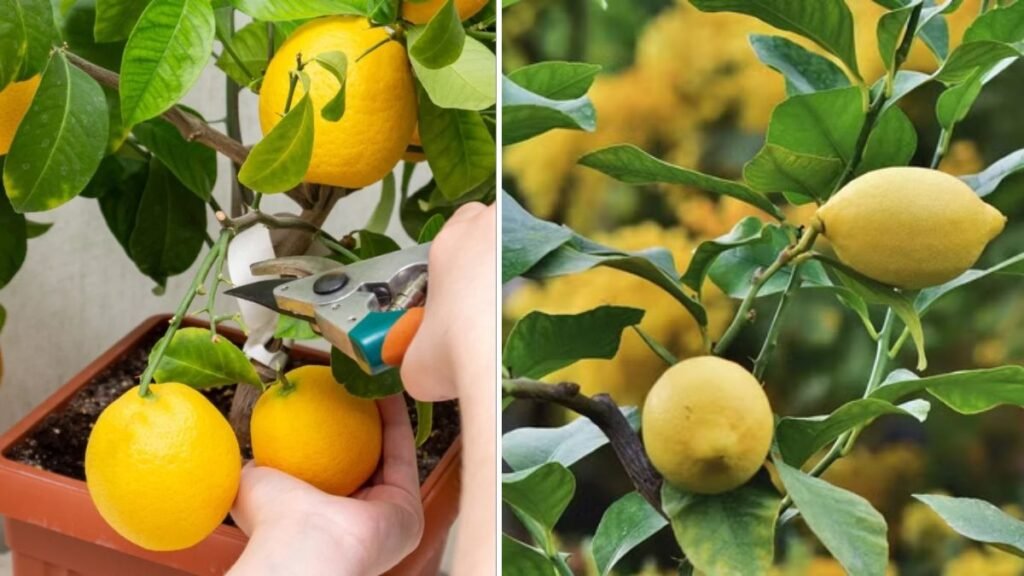
Roots usually develop within four to six weeks. Some cuttings may take longer depending on conditions. Avoid pulling the cutting to check roots. New leaf growth indicates successful rooting. Be patient during this stage. Disturbing roots slows growth. Observation is better than handling. Natural pace ensures strength. Roots form silently.

12. Transplanting Rooted Lemon Cuttings
Once roots develop, transplant into a larger pot. Choose nutrient-rich soil. Handle roots gently. Water immediately after transplanting. Keep the plant in partial shade for a few days. Gradual exposure prevents shock. Transplanting strengthens growth. Proper care ensures survival. Transition smoothly.
13. Sunlight Requirements After Transplanting
Gradually introduce sunlight. Start with morning sun exposure. Increase light over time. Avoid harsh afternoon sun initially. Sunlight encourages leaf and stem growth. Proper light strengthens plants. Sudden exposure can stress young plants. Gradual adjustment works best. Light balance is essential.
14. Feeding Young Lemon Plants
Start feeding after one month. Use diluted organic fertilizer. Compost tea works well. Avoid strong fertilizers early. Balanced nutrition supports root and leaf growth. Overfeeding damages young plants. Feed once every two weeks. Nutrition builds strength. Healthy feeding promotes growth.
15. Pruning Young Lemon Plants
Light pruning helps shape the plant. Remove weak or crossing branches. Pruning encourages bushy growth. Avoid heavy pruning in early stages. Shaping improves airflow. Balanced structure supports fruiting later. Pruning guides growth. Early shaping is beneficial.

16. Pest Prevention in Lemon Cuttings
Young lemon plants attract aphids and mites. Inspect leaves regularly. Neem oil spray works effectively. Avoid chemical pesticides. Healthy plants resist pests better. Clean surroundings reduce infestations. Early prevention saves effort. Organic care is safe. Vigilance is important.
17. Common Mistakes to Avoid
Overwatering is the most common mistake. Using heavy soil causes rot. Direct sunlight burns cuttings. Skipping humidity reduces success. Pulling cuttings damages roots. Learning mistakes improves results. Patience is essential. Awareness prevents failure.
18. Growing Lemon Cuttings in Containers
Containers are ideal for lemon cuttings. Choose pots with drainage holes. Container growing allows mobility. Protect plants during extreme weather. Regular care ensures healthy growth. Containers suit balconies and terraces. Space is not a limitation. Container lemons thrive well.
19. When Will Lemon Trees Bear Fruit
Lemon trees from cuttings fruit faster than seed-grown trees. Expect fruits in two to three years. Proper care speeds fruiting. Pruning and feeding help. Patience is required. Early flowering may need removal. Long-term care pays off. Fruits reward effort.

20. Final Thoughts on Lemon Tree Cuttings
Propagating lemon trees from cuttings is rewarding and economical. It allows gardeners to multiply plants easily. Proper technique ensures success. Consistent care leads to healthy trees. Homegrown lemons taste better. Gardening builds confidence and skill. Anyone can succeed with patience. Start propagating today.
Table: Lemon Cutting Success Guide
| Step | Recommendation | Result |
|---|---|---|
| Branch | Semi-hardwood | Faster rooting |
| Soil | Light and draining | Root health |
| Water | Moist not wet | Rot prevention |
| Light | Indirect sunlight | Healthy growth |
| Time | Spring season | Higher success |