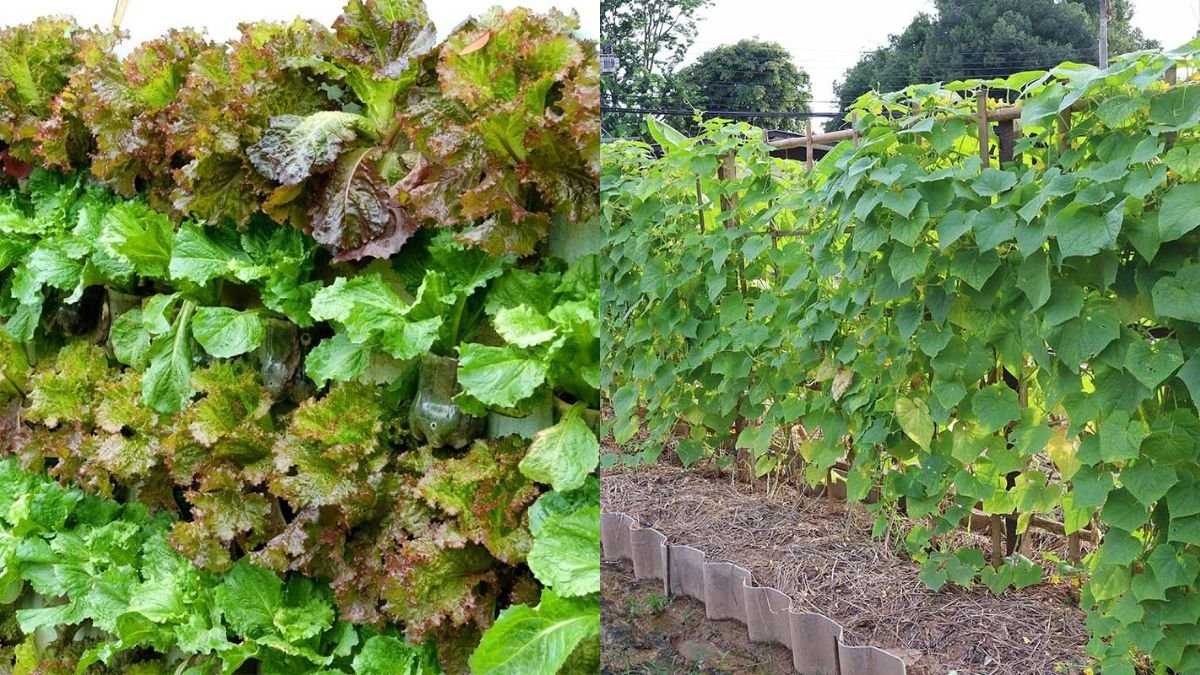
In modern urban life, limited outdoor space often makes traditional gardening challenging. However, with the concept of a vertical garden, you can grow an abundance of vegetables even on walls, fences, and balconies. This technique not only maximizes your available space but also ensures your family has a steady supply of fresh, healthy produce. An amazing vertical garden, growing vegetables on the wall to provide for the family, can be a game-changer for urban households, allowing you to produce food efficiently without needing a large yard.
Vertical gardening has grown in popularity due to its practicality, sustainability, and aesthetic appeal. It is now easier than ever to transform ordinary walls into lush, edible landscapes, even for beginners. Whether it’s a sunny balcony, a backyard wall, or an indoor kitchen setup, vertical gardens can help you grow vegetables efficiently while enhancing your living space. (abc.net.au)
What Is a Vertical Garden?
A vertical garden, also known as a living wall, is a method of growing plants on vertical surfaces instead of horizontal ground plots. It can be as simple as a hanging pocket planter or as complex as a modular hydroponic wall system. Vertical gardens are ideal for urban environments where space is limited, allowing families to grow vegetables, herbs, and fruits efficiently.
There are several types of vertical gardens:
- Pocket Planters: Fabric or felt pockets attached to a wall for planting multiple vegetables.
- Hanging Pots & Baskets: Staggered or cascading pots for herbs, strawberries, and leafy greens.
- Trellises & Grids: Supports for climbing vegetables like beans, peas, and cucumbers.
- Pallet & Crate Walls: DIY vertical planting using repurposed wooden pallets or crates.
- Hydroponic or Tower Systems: Advanced vertical setups for high-density planting indoors or outdoors. (shebonny.com)
Why Choose Vertical Gardening for Your Family?
Growing vegetables vertically offers numerous benefits for families:
1. Space Efficiency
Vertical gardens allow you to utilize otherwise unused walls, fences, or balcony areas. Even small spaces can produce an abundance of vegetables, making it ideal for apartments or urban homes. (shebonny.com)

2. Higher Yield
Plants like tomatoes, cucumbers, beans, peas, leafy greens, and herbs often yield more per square foot when grown vertically compared to traditional gardens. (gardentowerproject.com)
3. Easier Access & Maintenance
With plants elevated, watering, pruning, and harvesting become easier, reducing the strain on the gardener and making it accessible for all family members.
4. Healthier Plants
Vertical systems provide better air circulation, reducing the risk of fungal diseases and ground pests. Elevated plants are less susceptible to soil-borne diseases, promoting healthier growth. (close-to-nature.org)
5. Aesthetic & Functional
Vertical gardens enhance home aesthetics while producing edible food. Lush green walls make your space visually appealing and environmentally friendly. (ecocation.org)
Best Vegetables for Vertical Walls
Selecting the right vegetables is critical for a successful vertical garden. Here’s a breakdown of ideal plants:
Vining & Climbing Vegetables:

- Tomatoes (cherry or grape varieties)
- Cucumbers
- Pole beans and runner beans
- Peas
These crops naturally climb trellises or grids, making them perfect for vertical growth.
Leafy Greens & Compact Veggies:
- Lettuce, spinach, kale, and Swiss chard
- Herbs like basil, parsley, cilantro, and mint
- Compact peppers and dwarf eggplants
Leafy greens and herbs thrive in vertical pockets or tiered planters.
Small Fruits & Companion Plants:
- Strawberries in pocket planters or hanging baskets
- Dwarf fruiting plants like figs and cherry tomatoes
These plants provide variety and nutrition for family meals. (gardentowerproject.com)
Design Ideas for a Vertical Vegetable Wall
There are many creative ways to build a vertical vegetable garden:

1. Fabric Pocket Planters
Attach fabric or felt pockets to a wall for small vegetables, herbs, and leafy greens. Each pocket acts as an individual planter. (buyfencingdirect.co.uk)
2. Gutter Gardens
Repurpose old gutters and attach them horizontally to walls to create rows of small vegetable planters. This method is simple, cheap, and effective.
3. Hanging Pots & Baskets
Stacked or staggered hanging pots are perfect for strawberries, herbs, and small greens, creating a cascading green wall. (shebonny.com)
4. Pallet & Crate Walls
Repurposed pallets or crates can be transformed into vertical planters, giving a rustic look while maximizing planting space.
5. Trellis Grids
Install wooden or metal trellises for climbing vegetables like beans, peas, and cucumbers. Train plants to grow upward to save space.
6. Hydroponic or Tower Systems
Vertical towers and hydroponic systems allow high-density planting and efficient water use. Ideal for indoor or balcony gardens. (shebonny.com)

Tips for Successful Vertical Vegetable Gardening
To ensure a thriving vertical vegetable garden:
1. Sunlight
Most vegetables need 6–8 hours of sunlight daily. Position your vertical garden in a sunny location. (almanac.com)
2. Soil & Fertilization
Use high-quality potting mix and feed plants with balanced fertilizer to support healthy growth and abundant yields.
3. Watering
Vertical planters dry out faster than traditional gardens. Frequent watering or a drip irrigation system is recommended. (close-to-nature.org)
4. Support Structures
Climbing and heavy vegetables need strong trellises, stakes, or wall anchors. Ensure the structure can handle plant weight.
5. Pest & Disease Management
Even vertical gardens need monitoring. Check plants regularly for pests and diseases to maintain healthy growth.

How a Vertical Garden Provides for the Family
Vertical gardens can become a practical food source for families:
- Daily Fresh Produce: Access to fresh vegetables and herbs for salads, cooking, and garnishes.
- Reduced Grocery Bills: Minimize store-bought produce by growing essential vegetables at home.
- Healthier Eating: Organic growing methods allow chemical-free vegetables for family meals.
- Educational & Engaging: Kids and adults can learn about plant life cycles and gardening skills.
Suggested Authoritative Sources
- LiveWall – Edible Plants for Living Walls: Guidance on vegetables, greens, and herbs for vertical gardens. (livewall.com)
- SheBonny – Vertical Vegetable Garden Ideas: Creative setups for small urban spaces. (shebonny.com)
- Almanac – Vertical Gardening Guide: Planting techniques and design tips for vertical gardens. (almanac.com)
- GardenTowerProject – Vegetables for Vertical Gardens: Practical info on which vegetables grow best vertically. (gardentowerproject.com)
Conclusion
An amazing vertical garden, growing vegetables on the wall to provide for the family, is a practical, space-saving, and sustainable way to produce fresh, nutritious food. With the right plants, design, and care, you can maximize limited spaces while enhancing your home’s aesthetic appeal.
Whether using DIY pocket planters, trellises, hanging pots, or modular hydroponic systems, a vertical vegetable wall allows you to harvest fresh vegetables consistently. It reduces grocery bills, provides healthier food, and brings educational and recreational value for the entire family. Vertical gardening truly transforms walls into productive and beautiful living spaces, feeding both your family and your gardening passion.