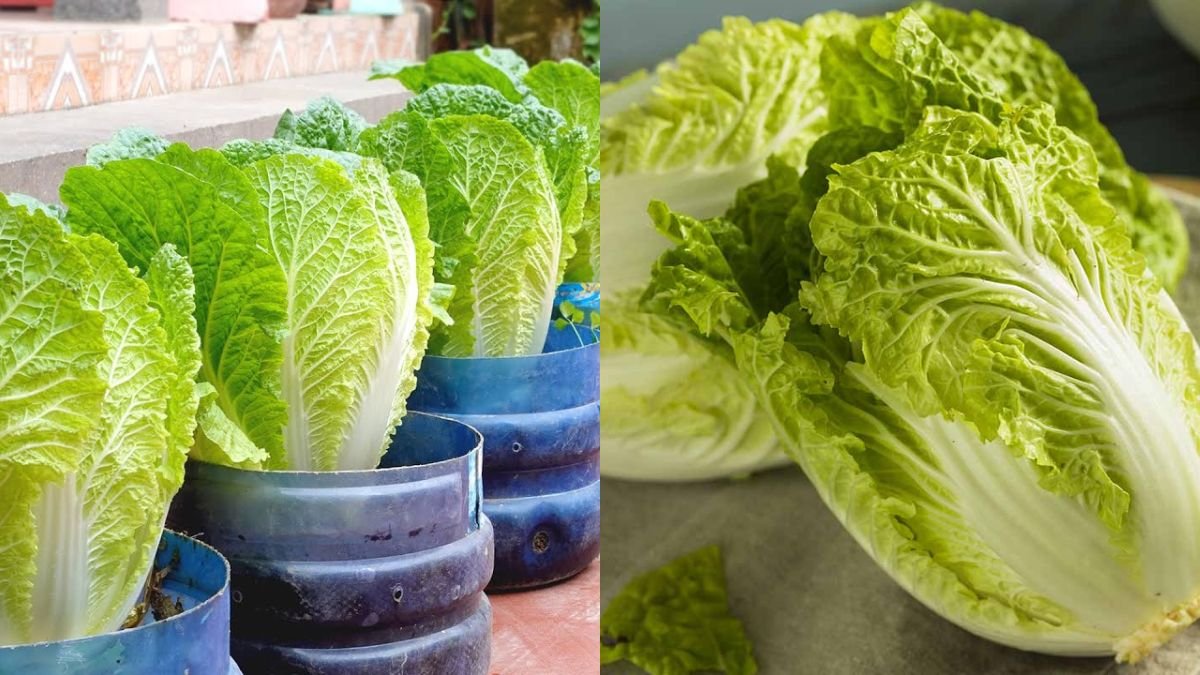
Latest Trends: Creative Growing Methods for Small Spaces
Urban gardeners and home food enthusiasts are continually sharing innovative ways to grow vegetables without a garden. Napa cabbage is particularly suited to these approaches because of its compact head and adaptability.
1. Container Gardening
Using pots, grow bags, and recycled containers allows you to grow Napa cabbage on balconies, windowsills, or small patios. Containers provide a controlled environment for soil, moisture, and nutrient management. Even modest spaces can yield healthy, firm heads of cabbage when proper care is taken. (caslay.in)
2. Indoor Growing
Indoor cultivation is becoming a popular solution for urban dwellers without outdoor access. Using shelves, grow lights, and containers, gardeners can produce Napa cabbage year-round. Indoor setups allow precise control over temperature, light, and humidity, which are critical for healthy leaf development. (grobrix.com)
3. Vertical Farming and Wall Gardens
Vertical gardening techniques, including wall pockets, stacked planters, and hanging pots, maximize limited space. While more common for herbs and leafy greens, Napa cabbage can also adapt to these setups with proper support and soil depth. This method enables urban growers to create a green wall of fresh produce even in apartments. (grobrix.com)

Why Napa Cabbage Is Ideal for Urban and Container Gardening
Napa cabbage is an excellent choice for small-space or indoor growing due to several factors:
- Compact Growth: Its heads are elongated and dense, making it manageable in pots or containers.
- Cool Season Crop: It prefers cooler temperatures, which aligns with indoor and balcony conditions during fall and winter.
- Versatile in Cooking: It can be used fresh, stir-fried, or fermented into kimchi, making it a practical addition to home kitchens. (growcycle.com)
Its adaptability and relatively short growing period make it suitable for urban gardeners who want productive results with minimal space.
Step-by-Step Guide: Growing Napa Cabbage Without a Garden
Even without a yard, you can successfully grow Napa cabbage using the following steps:
1. Choose the Right Container
Select a container at least 10–12 inches deep with drainage holes. Napa cabbage roots need space to grow, and well-draining soil prevents waterlogging and root rot. Wide pots or grow bags work best, and recycled buckets or crates can be used after proper cleaning. (caslay.in)

2. Start Seeds Indoors
Sow Napa cabbage seeds indoors if outdoor conditions are unsuitable. Use a lightweight potting mix and maintain consistent moisture. Seeds typically germinate in 7–10 days. Once seedlings have a few true leaves and a robust root system, transplant them into larger containers to continue growing. (growcycle.com)
3. Provide Adequate Light and Airflow
Napa cabbage requires at least 6 hours of light daily. For indoor or shaded areas, supplement sunlight with LED grow lights. Proper airflow is crucial to prevent fungal diseases and keep plants healthy. Avoid overcrowding containers to ensure each plant gets adequate light and ventilation. (caslay.in)
4. Water and Fertilize Regularly
Maintain consistently moist soil without overwatering. Containers tend to dry out faster than garden beds, so check soil frequently. Feed plants with a balanced, water-soluble fertilizer once they are established to ensure strong growth and firm heads. Regular nutrients support leaf development and enhance the overall quality of the cabbage. (growcycle.com)
5. Protect From Heat and Stress
Napa cabbage prefers cooler conditions. Excessive heat can lead to bolting (premature flowering), bitter leaves, and stunted growth. Use shade cloths, move containers to cooler spots, or adjust indoor grow lights to prevent stress. Consistent watering and gradual acclimatization to new light conditions reduce environmental stress. (harvesttotable.com)

6. Harvest at the Right Time
Napa cabbage typically matures in 60–90 days. Heads should feel firm and dense before harvesting. Cut the cabbage at the base above the soil line to avoid damaging the root system. Timely harvesting ensures optimal texture and flavor while preventing splitting or overripening. (biologyinsights.com)
Creative Uses for Homegrown Napa Cabbage
Homegrown Napa cabbage is versatile:
- Fresh Salads: Crisp leaves add texture and mild flavor.
- Stir-Fries: Quick-cooked cabbage retains nutrients and flavor.
- Fermentation: Use outer leaves for kimchi or sauerkraut, while inner heads continue growing.
Regularly harvesting outer leaves can extend the life of your plants and provide continuous greens for your meals. (reddit.com)
Benefits of Growing Napa Cabbage Without a Garden
- Space-Efficient: Requires only containers or small balcony areas.
- Year-Round Access: Indoor setups allow cultivation even in winter or limited outdoor spaces.
- Nutritious: Rich in vitamins A, C, and K, and antioxidants for health.
- Cost-Effective: Reduces grocery store dependence while ensuring chemical-free produce.
- Educational and Fun: Ideal for teaching kids about growing food and building sustainable habits.
Authoritative Sources for More Guidance
- Gardener’s Path – Growing Napa Cabbage: Step-by-step instructions for container and small-space growing. (gardenerspath.com)
- UC ANR – Cabbage Cultural Tips: Expert advice on soil preparation, watering, and pest prevention. (ipm.ucanr.edu)
- Biology Insights – Planting and Harvest Timing: Guidance on ideal growth cycles and harvesting. (biologyinsights.com)
- CASLAY – Urban Gardening: Innovative ideas for growing vegetables in limited urban spaces. (caslay.in)
Conclusion
Even without a traditional garden, Napa cabbage can thrive at home using container, indoor, or vertical growing techniques. By selecting the right container, providing adequate light, managing water and nutrients, and protecting plants from heat stress, urban gardeners can enjoy fresh, crisp cabbage year-round.

These urban-friendly methods make it possible for apartment dwellers, balcony owners, and indoor gardeners to embrace sustainable food growing, enhance nutrition, and enjoy the satisfaction of harvesting their own vegetables — all without the need for a conventional yard.
Whether you use pots, grow bags, or a vertical planter system, Napa cabbage offers a practical, rewarding, and space-efficient solution for homegrown vegetables, proving that you don’t need a garden to cultivate delicious, nutritious produce.