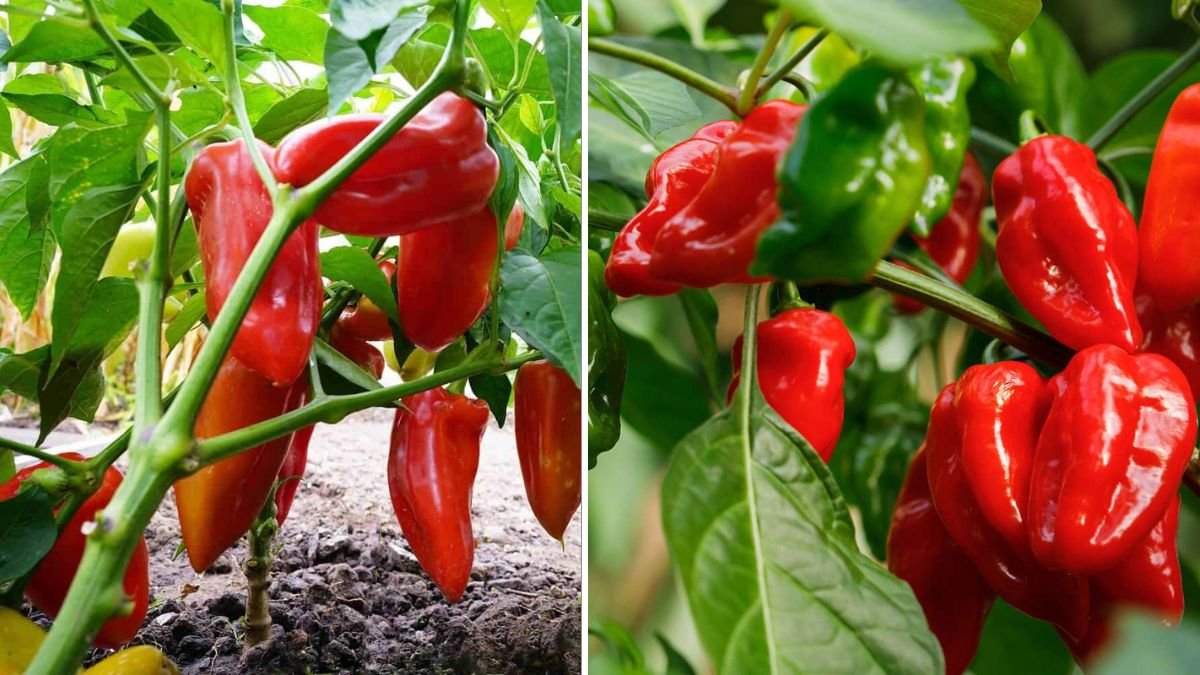
Increasing pepper production is a major goal for both home gardeners and commercial growers. Pepper plants can produce abundantly when their basic needs are perfectly balanced. Many gardeners unknowingly limit yields due to improper watering, poor soil quality, or nutrient imbalance. Understanding plant behavior helps correct these mistakes early. Peppers respond quickly to good care and stress management. Small improvements in daily maintenance create noticeable yield increases. Climate awareness also plays an important role in productivity. With correct methods, pepper plants can produce continuously throughout the season.
Understanding Pepper Plant Growth Cycle
Pepper plants grow through predictable stages that determine final yield. The seedling stage focuses on root establishment and stem strength. During vegetative growth, the plant builds leaf mass to support flowering. Flowering is the most sensitive stage and easily affected by stress. Fruit set depends on stable temperature and moisture. Once fruits form, the plant diverts energy into size and quality. Knowing each phase helps apply correct care. Timely intervention leads to stronger production.
Choosing High-Yield Pepper Varieties
The choice of variety strongly affects production potential. Hybrid peppers are bred for productivity and disease resistance. Some varieties focus on fruit size, while others produce many smaller peppers. Climate-appropriate varieties perform better with less stress. Early-maturing peppers allow multiple harvest cycles. Heat-tolerant varieties resist flower drop. Local seed selection increases success rates. Genetics create the foundation for yield.
Soil Preparation for Maximum Yield
Soil quality directly influences pepper output. Peppers prefer loose, fertile, and well-draining soil. Compacted soil limits root expansion and nutrient uptake. Organic matter improves structure and microbial activity. Compost adds slow-release nutrients and moisture retention. Slightly acidic to neutral soil supports nutrient absorption. Deep soil preparation encourages strong anchoring. Healthy soil equals productive plants.

Sunlight and Temperature Management
Peppers thrive in warm, sunny environments. A minimum of six hours of direct sunlight is required daily. Inadequate sunlight results in weak stems and fewer flowers. Excessive heat can cause flower drop and stress. Moderate night temperatures help fruit development. Shade cloth may be necessary during extreme heat. Balanced temperature promotes consistent flowering. Light and warmth drive yield.
Proper Watering Techniques
Water management is critical for pepper productivity. Inconsistent watering causes stress and poor fruit formation. Deep watering encourages deep root systems. Overwatering suffocates roots and invites disease. Allowing soil to slightly dry prevents rot. Mulching helps maintain moisture balance. Drip irrigation ensures consistency. Controlled watering increases yield.
Fertilization Strategy for Peppers
Peppers require balanced nutrition throughout growth. Nitrogen supports early leaf development. Phosphorus strengthens roots and flowers. Potassium improves fruit size and flavor. Excess nitrogen reduces fruiting. Organic fertilizers improve long-term soil health. Liquid feeds support flowering stages. Correct feeding boosts production.
Table: Nutrients Required for High Pepper Production
| Nutrient | Purpose | Best Source | Application Timing |
|---|---|---|---|
| Nitrogen | Leaf growth | Compost | Early stage |
| Phosphorus | Roots and flowers | Bone meal | Pre-flowering |
| Potassium | Fruit quality | Wood ash | Fruiting |
| Calcium | Prevent rot | Lime | Throughout |
Pruning for Better Yield
Pruning improves air circulation and light penetration. Removing weak branches redirects energy to fruits. Early pruning strengthens the main stem. Overcrowded foliage reduces flower production. Clean tools prevent disease spread. Strategic pruning extends harvest duration. Strong structure supports heavy fruits. Yield improves naturally.

Pollination Enhancement Techniques
Although peppers self-pollinate, assistance increases fruit set. Gentle shaking helps pollen movement. Pollinators improve natural fertilization. Avoid heat stress during flowering. Stable humidity supports pollen viability. Stress-free flowers stay longer. More flowers mean more peppers. Pollination improves harvest size.
Pest Control Without Yield Loss
Pests reduce pepper productivity significantly. Aphids weaken plants by sucking sap. Spider mites damage leaves under dry conditions. Neem oil provides organic protection. Regular inspection prevents infestations. Strong plants resist pests better. Early control protects yield. Prevention is essential.
Disease Prevention Methods
Diseases reduce yield and plant lifespan. Good spacing improves airflow. Avoid overhead watering to reduce fungal growth. Crop rotation prevents soil disease buildup. Remove infected plants immediately. Healthy plants produce longer. Clean practices reduce losses. Prevention increases output.
Mulching for Consistent Production
Mulching stabilizes soil conditions. It conserves moisture and suppresses weeds. Organic mulch enriches soil as it decomposes. Mulch protects roots from heat stress. Temperature regulation improves flowering. Weed control reduces competition. Mulched plants yield more.

Harvesting Techniques That Increase Yield
Frequent harvesting encourages continuous flowering. Leaving ripe peppers slows new fruit development. Harvest carefully to avoid damage. Use clean tools for cutting. Harvesting at correct maturity improves quality. Regular picking extends season. More harvests equal higher yield.
Common Pepper Growing Mistakes
Overwatering is a common error. Poor soil preparation limits growth. Excess fertilizer reduces fruiting. Ignoring pests causes yield loss. Inconsistent care stresses plants. Avoiding mistakes improves results. Awareness improves productivity.
Seasonal Pepper Care Tips
Summer heat requires extra moisture management. Winter protection prevents cold damage. Fertilizer needs change by season. Shade may be required in extreme heat. Adjust watering frequency accordingly. Seasonal care supports productivity. Adaptation ensures yield.
Organic Methods for Sustainable Yield
Organic gardening improves soil health. Compost provides natural nutrition. Beneficial insects control pests. Crop rotation prevents disease. Organic practices reduce chemical stress. Sustainability supports long-term yield. Natural methods work effectively.

Growing Peppers in Containers
Container peppers require extra attention. Use large pots for root growth. Lightweight soil prevents compaction. Frequent watering is necessary. Adequate sunlight is critical. Container peppers can be highly productive. Proper care ensures success.
Perennial Pepper Plant Care
In warm climates, peppers grow year-round. Pruning after harvest promotes regrowth. Reduce watering during rest periods. Protect plants from frost. Older plants fruit earlier. Perennial care saves effort. Long-term plants yield more.
Conclusion: Achieving High Pepper Production
High pepper production depends on balanced care. Soil, water, and nutrition must align. Stress management prevents flower loss. Pruning and harvesting encourage productivity. Consistent care delivers results. Small improvements make big differences. Abundant harvests are achievable.
