Why Hanging Gardens Are Ideal for Balconies
Balcony hanging gardens solve the common problem of limited outdoor space. Unlike traditional gardens, which require a backyard or large plot, hanging gardens use vertical space efficiently. Here’s why they are perfect for urban gardening:
1. Maximum Space Utilization
Hanging gardens make use of walls, railings, and ceilings to grow multiple plants in the same area. Vertical planters, hanging pots, and wall-mounted pocket systems allow you to cultivate a wide variety of vegetables without occupying precious floor space.
2. Improved Sunlight and Air Circulation
By elevating your plants, you can ensure they receive optimal sunlight and airflow. Vegetables like tomatoes, chilies, and leafy greens thrive in well-ventilated spaces, which reduces the risk of fungal diseases and enhances growth.
3. Convenience and Accessibility
Having your vegetable garden on the balcony makes daily care convenient. Watering, harvesting, and monitoring plant health are easier when your garden is just a few steps away. This encourages more consistent maintenance and better yields.
4. Aesthetic Appeal
Balcony gardens are visually pleasing. Cascading plants, colorful flowers, and lush greenery not only provide fresh food but also create a serene and attractive environment. Hanging gardens can double as decorative elements while being fully functional.
5. Cost-Effective and Sustainable
Hanging garden setups are affordable, especially when using recycled containers, fabric pockets, or DIY planters. You can also compost kitchen scraps to enrich the soil, reducing the need for commercial fertilizers. This makes hanging gardening both budget-friendly and eco-friendly.

Creative Hanging Garden Ideas for Your Balcony
Here are some innovative ways to create a productive vegetable garden on a balcony:
1. Hanging Pots and Baskets
Classic hanging pots or baskets can be suspended from balcony ceilings or railings. Trailing vegetables like cherry tomatoes, beans, and herbs such as mint and basil grow exceptionally well in this setup. Using macrame hangers or sturdy hooks adds both style and stability.
2. Vertical Towers
Stacked or tiered vertical planters are perfect for growing multiple vegetables in limited space. Each tier can house different crops, such as leafy greens on top and root vegetables in the lower containers. Vertical towers are compact, easy to manage, and highly efficient for urban spaces.
3. Railing Planters
Planters that attach directly to balcony railings maximize edge space. These are ideal for growing herbs, leafy greens, and compact vegetables. Railing planters are often shallow, which makes them suitable for plants that don’t require deep soil.
4. Hanging Pocket Systems
Fabric or felt pocket systems mounted on walls can accommodate multiple small plants in a vertical arrangement. These lightweight systems are perfect for herbs, small leafy greens, and seedlings. Pocket gardens are a popular solution for apartments with limited balcony floor space.
5. DIY Gutter Gardens
Repurposed gutters or troughs can be mounted horizontally along walls or railings. They are perfect for growing radishes, lettuce, and other shallow-rooted vegetables. Gutters are inexpensive, durable, and ideal for small-space gardening.

6. Trellises and Climbing Nets
For vine crops like cucumbers, beans, and peas, trellises or climbing nets provide vertical support. This allows plants to grow upwards instead of spreading across the floor, increasing productivity and saving space.
Best Vegetables for Balcony Hanging Gardens
Certain vegetables are better suited for hanging and vertical gardening because of their compact growth habits and adaptability:
Leafy Greens
Spinach, lettuce, kale, fenugreek (methi), and coriander grow quickly and can be harvested multiple times. These vegetables require moderate sunlight and are ideal for pocket systems, railing planters, and small hanging pots.
Cherry Tomatoes
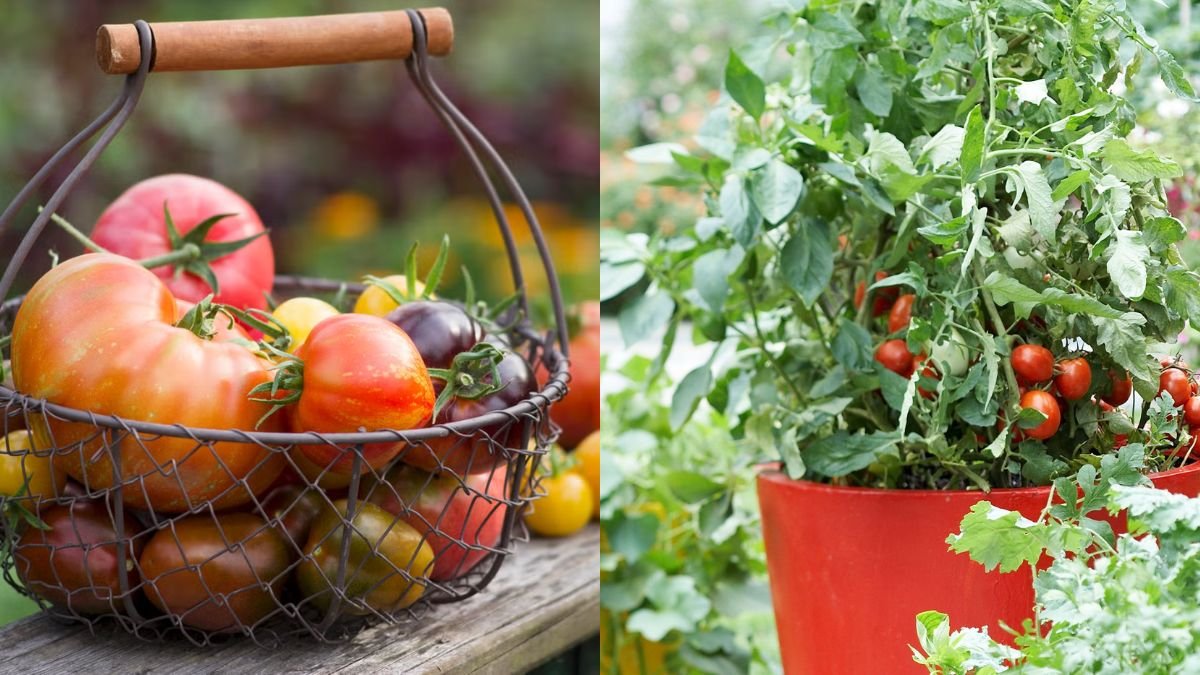
Compact tomato varieties are perfect for hanging baskets or rail planters. They produce flavorful fruits even in limited spaces. Regular pruning and fertilization improve yield and taste.
Chillies and Peppers
Green and red chilies, as well as bell peppers, thrive in hanging containers with good sunlight. They are hardy and offer a continuous harvest, making them a favorite for balcony gardeners.
Root Vegetables
Radishes, spring onions, and baby carrots can grow in shallow containers and gutter gardens. They are fast-growing, easy to maintain, and perfect for balcony setups.

Herbs
Mint, basil, oregano, and curry leaves are easy to grow in small pots, hanging baskets, or pocket systems. Fresh herbs enhance meals and require minimal care.
Exotic Options
Even small fruits like strawberries or dwarf varieties of pineapples can be grown on balconies with the right containers and care, making your balcony garden both productive and unique.
Practical Tips for Successful Hanging Gardens
To ensure your balcony garden thrives, follow these essential tips:
Assess Sunlight
Most vegetables need 4–6 hours of sunlight per day. Observe your balcony at different times to determine which areas receive the most consistent sunlight. Position hanging pots and vertical planters accordingly.
Ensure Proper Drainage
Hanging containers dry out faster than ground pots. Use pots with drainage holes and add a layer of gravel at the bottom to prevent waterlogging. Consistent watering is key to healthy growth.
Use Quality Soil
A lightweight, fertile potting mix enriched with compost or organic manure ensures that plants receive essential nutrients. Avoid using heavy garden soil that may retain too much water.

Protect from Harsh Conditions
In windy or hot areas, consider using shade cloth or rotating planters to prevent plant stress. Fragile vegetables benefit from some protection during extreme weather.
Monitor Pests
Even balcony gardens can attract pests. Use natural deterrents, companion planting, or organic pesticides to protect your vegetables without harming the environment.
Regular Maintenance
Prune trailing plants, remove yellow leaves, and rotate crops to maintain productivity. Regular attention improves yield, flavor, and plant health.
Real-Life Examples and Trends
Urban gardening initiatives across India and other countries show that even small balconies can produce substantial yields:
- High-Rise Apartment Gardens: In Delhi, residents have successfully turned small balconies into productive vegetable gardens, growing everything from leafy greens to cherry tomatoes. These gardens reduce grocery bills and provide fresh, chemical-free produce. (timesofindia.indiatimes.com)
- Terrace and Balcony DIY Projects: Creative solutions like stacked planters, gutter gardens, and pocket systems are helping urban families embrace [FOCUS KEYWORD] without the need for a backyard. (organic.vegroof.com)
- Government Support and Awareness Programs: Some states are promoting home gardening initiatives, providing guidance, seeds, and low-cost solutions to encourage residents to grow vegetables at home. (aajtak.in)
Authoritative Resources for Balcony Gardening
For more guidance, check these trusted sources:
- Martha Stewart – Balcony Vegetable Gardening Tips: Step-by-step advice for small-space edible gardening. (marthastewart.com)
- The Guardian – High-Rise Gardening: Tips for urban apartments and vertical vegetable growing. (theguardian.com)
- Times of India – Vertical Gardening Ideas: Creative balcony setups for maximizing productivity. (timesofindia.indiatimes.com)
Final Thoughts
You don’t need a backyard to enjoy fresh, homegrown vegetables. With a hanging garden, your balcony can become a mini farm that provides healthy, organic, and flavorful produce. From leafy greens to cherry tomatoes, chilies, and herbs, vertical gardening allows you to maximize space, reduce grocery costs, and enhance your living environment. By combining creativity, the right plants, and consistent care, you can create a thriving balcony garden — a perfect expression of [FOCUS KEYWORD].

Balcony gardening is a sustainable, economical, and aesthetically pleasing solution for urban families. Start small, experiment with different hanging systems, and enjoy the satisfaction of harvesting fresh vegetables right at your doorstep. Your balcony can be a source of nutrition, beauty, and family pride — all without the need for a traditional yard.