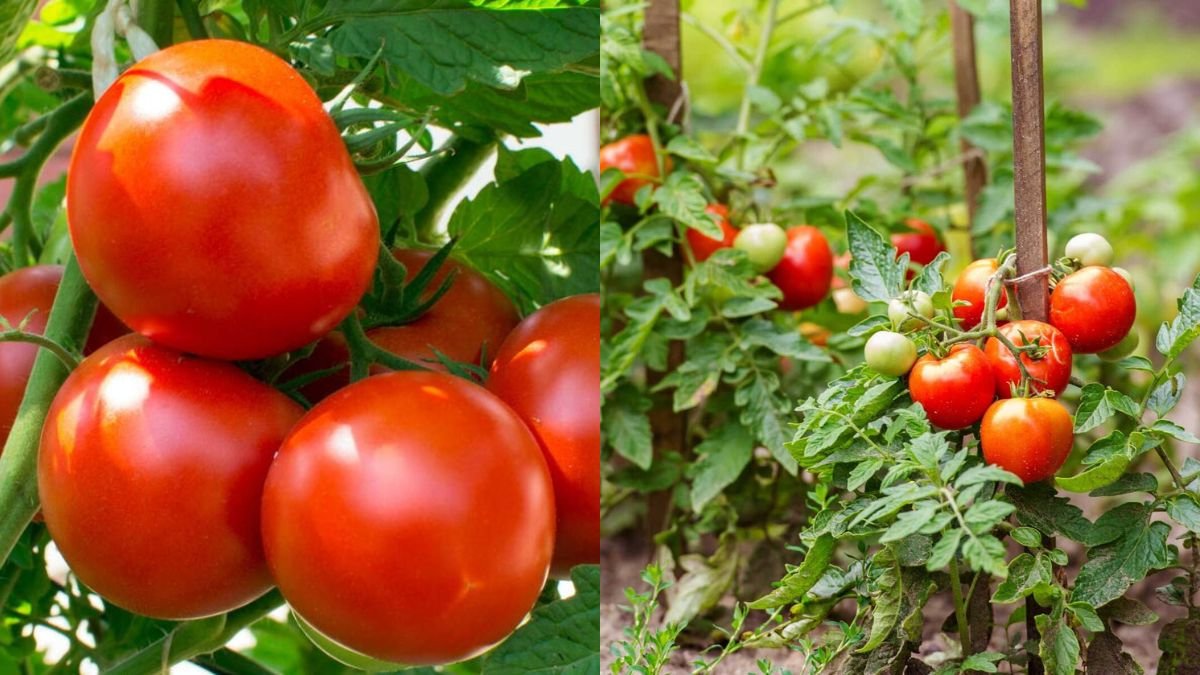
Why Growing Tomatoes at Home Is So Rewarding
Homegrown tomatoes often surpass store-bought varieties in flavor and freshness. From salads and sandwiches to sauces and salsas, the culinary uses are endless. Beyond flavor, growing tomatoes offers personal satisfaction and a connection to the food you consume.
One of the most exciting aspects of home tomato cultivation is witnessing a plant transform from a tiny seedling into a fruit-bearing powerhouse. Certain varieties can produce fruit in as little as 50 to 60 days after transplanting, giving gardeners a quick and satisfying harvest. Growing tomatoes at home also allows you to experiment with heirloom and hybrid varieties that may not be available in local markets.
Urban gardeners, in particular, have discovered that tomatoes are perfect for containers, raised beds, and balcony gardens. They can flourish in limited spaces, making them accessible even to those without traditional garden plots.
Choosing the Right Tomato Varieties
Selecting the right variety is the first step toward high yields and fast harvest. Not all tomatoes produce the same number of fruits or mature at the same pace. Cherry and grape tomatoes are popular choices for quick harvests because they produce abundant clusters and tend to mature faster than larger varieties.
For gardeners seeking larger fruits, beefsteak and heirloom tomatoes may require slightly longer growing periods but can also yield impressive results when given proper care. Choose disease-resistant varieties when possible to reduce the risk of common tomato problems like blight or fusarium wilt.

Preparing the Perfect Soil
Tomatoes thrive in rich, well-draining soil with a slightly acidic pH between 6.0 and 6.8. A fertile mix enriched with compost or aged manure provides essential nutrients and supports strong root development.
Improving soil structure before planting encourages vigorous growth and earlier fruiting. Healthy roots are crucial for water and nutrient uptake, directly impacting flowering, fruit set, and overall yield. You can also mix perlite or sand into the soil to enhance drainage and prevent waterlogging, which can harm young plants.
Sunlight and Temperature Requirements
Tomatoes are sun-loving plants. They require at least 6–8 hours of direct sunlight per day to grow well and produce abundant fruit. Sunlight drives photosynthesis, fueling plant growth, flowering, and fruit development.
In addition to sunlight, warm temperatures are key. Tomatoes prefer daytime temperatures between 70°F and 85°F (21°C–29°C) and slightly cooler nights. Cold soil or inadequate light can delay flowering and reduce fruit set. For gardeners in cooler climates, using black plastic mulch or row covers can help maintain soil warmth and encourage faster growth.
Watering for Healthy Plants and Fruit
Consistent watering is essential for tomato health. Tomatoes generally require 1–2 inches of water per week, but container plants may need more frequent watering because they dry out faster. Water deeply at the base of the plant to encourage strong root systems, rather than lightly sprinkling the surface.

Mulching around the base of the plants with straw, grass clippings, or compost helps retain soil moisture, suppress weeds, and regulate soil temperature. Early morning watering is ideal, as it reduces evaporation and allows leaves to dry throughout the day, minimizing fungal disease risks.
Supporting Tomato Plants for Maximum Yield
Proper support is crucial for maximizing fruit production. Tomatoes that sprawl on the ground are more susceptible to pests, disease, and fruit rot. Use stakes, cages, or trellises to keep plants upright, improve air circulation, and allow better light penetration.
Spacing is equally important. Plants should generally be 18–36 inches apart, depending on the variety. Adequate spacing prevents overcrowding, reduces disease risk, and ensures that each plant has enough resources to produce a large number of fruits.
Pruning to Encourage Fruit Production
Pruning is an effective way to direct a tomato plant’s energy toward fruit production rather than excessive leaf growth. Indeterminate tomato varieties, which continue to grow and produce fruit throughout the season, benefit the most from pruning. Remove excess suckers — the small shoots that appear between the main stem and branches — to improve airflow, reduce disease risk, and channel nutrients into fruit development.
Determinate (bush) varieties, however, require less pruning and generally focus energy on a set harvest, making them easier for beginners to manage.

Fertilizing for Faster Growth and Abundant Fruit
Tomatoes are heavy feeders. At planting, use a balanced fertilizer to support early growth. Once flowers appear, switch to a fertilizer higher in phosphorus and potassium, which promote flowering and fruit development. Avoid excess nitrogen, as it encourages leafy growth at the expense of flowers and fruit.
A slow-release tomato fertilizer or periodic liquid feeding every few weeks can ensure a consistent supply of nutrients, supporting both early flowering and higher fruit yield. Regular fertilization combined with proper watering and sunlight can significantly shorten the time from transplanting to harvest.
Pollination Techniques
While tomatoes are self-pollinating, assisted pollination can improve fruit set, especially in indoor, greenhouse, or balcony gardens with limited insect activity. Gently shaking the flowers or tapping stems encourages pollen transfer from the male to female parts, resulting in more flowers developing into fruit.
Ensuring good pollination increases the number of fruits and can help speed up harvest, giving gardeners a more abundant crop.
Managing Common Problems
Even with careful attention, tomato plants can face challenges. One common issue is blossom end rot, a condition where the bottom of the fruit turns brown or black. This is usually caused by inconsistent watering or calcium deficiency. Maintaining even soil moisture and using calcium-rich fertilizers can prevent this problem and ensure more fruits reach maturity.

Other potential problems include pests like aphids, whiteflies, and spider mites. Regular inspection, early treatment, and organic solutions such as insecticidal soap or neem oil can protect plants and sustain yield.
Harvesting for Maximum Yield
Pick tomatoes when they are fully colored and slightly firm to the touch. Frequent harvesting encourages plants to produce more fruit instead of putting energy into ripening already mature tomatoes. Morning harvests are best, as the fruit is cooler and less prone to damage.
With consistent care, you can enjoy a continuous supply of fresh tomatoes throughout the season. Container growers can even extend the harvest by moving plants to warmer or sunnier spots as needed.
Suggested Authoritative Sources
To support your article and give readers additional guidance, consider referencing:
- Vegetable Garden Blog – How to Grow Tomatoes Fast and Achieve Big Harvests (vegetablegardenblog.com)
- The Old Farmer’s Almanac – 10 Tips for Growing Tomatoes (almanac.com)
- Gardening Know How – Increase Tomato Yields (gardeningknowhow.com)
- Burpee – Tips for Growing Perfect Tomatoes (burpee.com)
These sources provide reliable, research-backed information that can help gardeners optimize their tomato-growing efforts.

Final Thoughts
Growing tomatoes at home with many fruits and a fast harvest is entirely achievable with proper planning and care. By selecting high-yielding varieties, preparing nutrient-rich soil, providing ample sunlight, watering consistently, supporting plants, and practicing smart pruning and fertilization, you can maximize your tomato yield.
Homegrown tomatoes not only taste better but also offer the satisfaction of growing your own food. With these expert tips, you’ll be able to enjoy juicy, flavorful tomatoes from your garden, balcony, or containers faster than you might expect. Start implementing these practices today and watch your tomato plants flourish with abundant fruits!