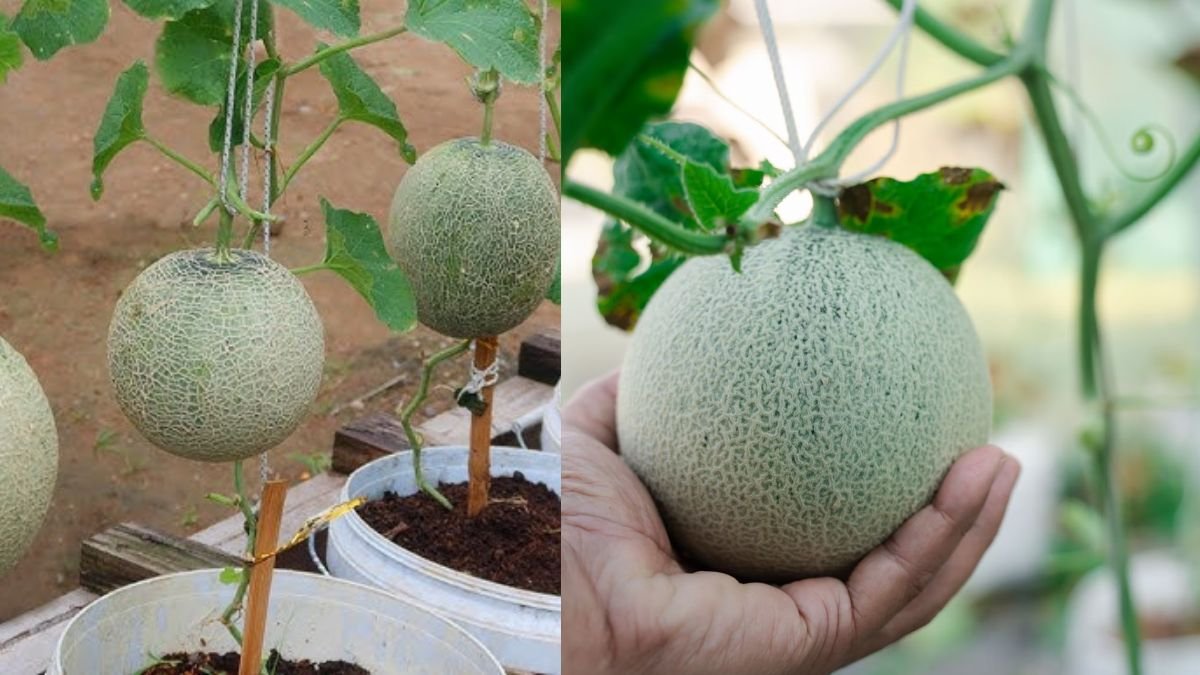
Melons are one of the most refreshing and nutritious fruits, but many people assume that growing them at home is difficult or requires a large garden. Surprisingly, this is no longer the case. With the innovative method of growing melons in sacks, home gardeners can enjoy high yields without traditional garden space. This technique is ideal for balconies, rooftops, patios, or small backyards and delivers excellent results with minimal effort.
The growing popularity of sack and grow bag gardening shows that anyone can cultivate delicious, sweet melons at home. This article explores the method, step-by-step instructions, tips for best results, and trends making melon cultivation easy, even for beginners. With the right approach, [FOCUS KEYWORD] becomes achievable for anyone willing to try.
Why Grow Melons in Sacks?
Sack gardening offers several advantages over traditional in-ground planting:
- Space Efficiency: Sacks can be placed almost anywhere, making them perfect for urban spaces or homes without gardens.
- Improved Drainage: Fabric or burlap sacks allow excess water to drain naturally, preventing root rot.
- Portability: Sacks can be moved to catch sunlight, avoid strong winds, or protect plants from extreme weather.
- High Yield Potential: Even a single sack, if properly managed, can produce multiple fruits per plant, making it a surprisingly productive method.
This method proves that you don’t need a large garden to grow melons. By combining the right materials, soil, and care, you can achieve impressive fruit production at home.
Choosing the Right Melon Variety
Selecting the right melon variety is key to success, especially when using sacks or containers. Compact or dwarf varieties tend to perform best in limited spaces. Recommended options include:

- Cantaloupe: Sweet, orange-fleshed, and compact, ideal for smaller spaces.
- Honeydew: Adaptable to containers and produces medium-sized fruits.
- Mini Watermelons (e.g., Sugar Baby): Smaller varieties that thrive in pots or sacks and yield flavorful fruits.
By choosing suitable varieties, gardeners ensure faster growth, easier management, and higher success rates.
Selecting the Right Sacks and Soil
The type of sack and soil used greatly affects melon growth and yield.
Sacks
- Fabric Grow Bags: Provide excellent airflow and prevent root suffocation.
- Burlap Sacks: Recycled sacks with small drainage holes work well and are cost-effective.
- Plastic Grow Bags: Must have drainage slits to avoid waterlogging.
Sacks should be at least 12–18 inches deep and hold 5–10 gallons of soil to give melon roots ample space.
Soil
Melons thrive in well-draining, nutrient-rich soil. A recommended mix includes:
- 60% quality potting soil
- 40% compost or organic matter
- Optional: perlite or sand to improve drainage and keep soil light
This combination supports healthy root systems, strong vines, and high fruit production.

Step-by-Step Guide to Growing Melons in Sacks
1. Prepare the Sacks
Ensure your sacks have proper drainage. Fabric bags naturally allow water to drain, while burlap or plastic sacks need small slits at the bottom. Good drainage is crucial to prevent root rot.
2. Plant Seeds or Seedlings
- Direct Seeding: Plant 2–3 seeds per sack about 1 inch deep. Thin to the strongest seedling once sprouted.
- Transplanting Seedlings: Start seeds indoors 4–6 weeks before planting, then transfer the seedlings to sacks.
Place sacks in a sunny location receiving 6–8 hours of direct sunlight daily. This ensures optimal growth and fruit development.
3. Watering
Melons require consistent moisture:
- Water deeply, allowing excess to drain.
- Avoid wetting leaves to prevent fungal diseases.
- Mulch the surface to retain moisture and reduce evaporation.
4. Fertilization
Feed melon plants every 2–3 weeks using compost, liquid fertilizer, or balanced NPK fertilizer. This boosts growth, flower formation, and fruit development.
Managing Vines and Supporting Fruits
Melon vines can grow long and produce heavy fruits. Proper support ensures healthy plants and higher yields:

- Trellising: Train vines upward using a trellis to save space and improve airflow.
- Fruit Slings: Support heavy fruits with cloth or netting to prevent vines from breaking.
- Pollination Assistance: Use a small brush to transfer pollen if pollinators are scarce.
These techniques maximize fruit health, prevent damage, and increase harvest size.
Harvesting Your Melons
Knowing when to harvest ensures sweet, flavorful fruits:
- Check color: The rind should deepen according to the variety.
- Weight: Ripe melons feel heavier and sound hollow when tapped.
- Stem condition: The stem may begin to dry and separate easily.
Harvesting regularly encourages continuous fruiting and prevents overripening.
Common Challenges and Solutions
Even though growing melons in sacks is easy, gardeners may face occasional issues:
- Overwatering: Leads to root rot. Solution: Ensure drainage and water moderately.
- Pests: Aphids or whiteflies may appear. Solution: Use neem oil or natural insecticides.
- Insufficient Sunlight: Reduces fruit production. Solution: Move sacks to a sunnier location or use reflective surfaces.
By monitoring plants closely and adjusting care, gardeners can overcome these minor challenges.
Trends in Home Melon Gardening
Several trends are making melon cultivation at home more popular:
- Fruit Cocktail or Multi-Grafted Melons: Grow multiple melon varieties on a single plant for variety in limited space.
- Mini Watermelon Varieties: Ideal for patios and balconies due to compact size and high productivity.
- Sustainable Container Gardening: Home gardeners increasingly prefer sack or container methods to reduce dependence on soil-intensive gardening.
These trends indicate that growing melons at home is becoming accessible, easy, and highly productive.
Benefits of Growing Melons at Home
Homegrown melons offer multiple advantages:
- Freshness and Flavor: Homegrown melons are sweeter and more nutritious than store-bought options.
- Cost Savings: Reduce grocery bills by producing fruit at home.
- Health Benefits: Gardening provides physical activity and stress relief.
- Sustainability: Reduces the carbon footprint associated with commercial melon production and transport.
With minimal investment, gardeners gain delicious fruits, health benefits, and environmental advantages.
Authoritative Sources
For further guidance and tips on sack melon gardening:

- Container Gardening Insights: Practical advice from growers using sacks for melons. (Reddit – Container Gardening)
- Fabric Grow Bag Techniques: Guides on high-yield melon cultivation in portable sacks. [Turn0search0]
- Fruit Support Methods: Learn trellising and fruit sling techniques to improve yield. [Turn0search13]
These resources help beginners and experienced gardeners succeed with high-yield melon cultivation at home.
Conclusion
Growing melons in sacks is a simple, space-efficient, and high-yield method for home gardeners. By selecting the right melon varieties, using nutrient-rich soil, ensuring proper drainage, and managing vines carefully, anyone can enjoy fresh, sweet melons at home — even without a traditional garden.
This approach demonstrates that [FOCUS KEYWORD] is not only possible but also rewarding, making it an excellent choice for urban and small-space gardeners. With a few sacks, good sunlight, and proper care, you can enjoy a continuous supply of delicious melons right at home, turning even a small balcony or terrace into a productive fruit-growing area.