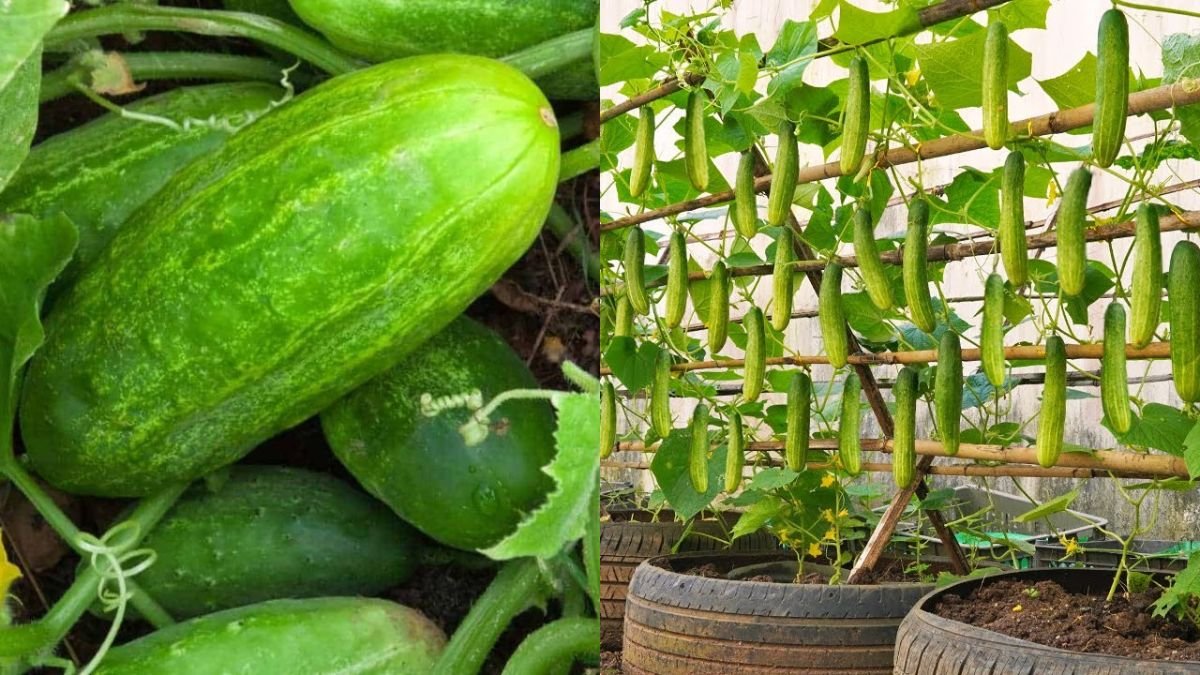
Cucumbers are among the most rewarding vegetables to grow at home — juicy, refreshing, and highly versatile. The good news is, you don’t need a garden to cultivate king cucumbers with plentiful fruit. Whether you have a balcony, rooftop, terrace, or small patio, container gardening techniques make it easy to produce a high-yield cucumber harvest.
King cucumbers, known for their long, tender fruits and vigorous growth, are ideal for home cultivation. They respond well to sunlight, water, and proper nutrient care, making them a favorite among urban gardeners. This method allows you to enjoy fresh, pesticide-free cucumbers without the space and effort that a traditional garden requires. Using [FOCUS KEYWORD], this guide outlines everything from planting to harvesting so you can maximize your yield at home.
Why Growing Cucumbers at Home Works
Cucumbers (Cucumis sativus) are naturally fast-growing, vining plants. In traditional farming, they require soil beds, trellises, and plenty of space. However, cucumbers are highly adaptable, which makes them perfect for container gardening and small-space growing. Their vining nature allows them to climb, while their prolific flowering ensures a high fruit set when cared for properly.
Homegrown cucumbers have several advantages:
- Freshness: You control when to harvest for peak taste.
- Pesticide-free: Avoid harmful chemicals commonly used in commercial production.
- High productivity: Proper container and support management can produce multiple fruits per plant.
- Accessibility: You can grow cucumbers even on a balcony or indoors near sunny windows.
Urban gardeners are discovering that with a little planning and care, a single container can yield enough cucumbers for the whole family, making this crop both practical and rewarding.

Choosing the Right Container and Location
Container Selection
The first step in home cucumber cultivation is selecting the right container. King cucumbers have vigorous root systems, so large containers are necessary.
- Size: Use pots or grow bags with 12–20 kg (26–44 lbs) of soil. Larger volumes support better root development and sustained growth.
- Drainage: Ensure multiple holes to prevent waterlogging and root rot.
- Mobility: Lightweight containers allow you to reposition plants for optimal sunlight.
Using containers means you can grow cucumbers anywhere, from balconies to terraces, without needing a traditional garden plot. This makes them perfect for urban living while still achieving high yields.
Sunlight Requirements
Cucumbers thrive in bright sunlight, requiring 6–8 hours of direct sun daily. Place containers in the sunniest spots available, usually southern or western exposures.
If natural sunlight is limited, consider grow lights for indoor setups. Providing sufficient light encourages strong flowering and fruiting, ensuring a bountiful harvest even in small spaces.
Planting King Cucumbers
Selecting Seeds or Seedlings
For maximum productivity, choose high-yield, container-friendly varieties labeled for compact or balcony gardening. King cucumbers are ideal for this purpose due to their long fruits and strong vines.

Preparing Soil
Use a fertile, well-draining soil mix for container cucumbers. A recommended mixture includes:
- 40% garden soil
- 30% compost or organic matter
- 20% cocopeat or perlite for aeration
- 10% sand for drainage
This mix keeps moisture consistent, promotes root growth, and supports strong fruiting.
Planting Steps
- Sow seeds or transplant seedlings directly into containers.
- Space plants 12–18 inches apart to give vines room to grow.
- Water gently after planting to settle the soil and reduce transplant shock.
Vertical Support for Maximum Yield
King cucumbers are vining plants and will benefit from vertical support in limited spaces. A trellis, netting, or stake system allows vines to climb upward, improving air circulation and sunlight exposure.
Vertical growth not only saves space, but also encourages more flowers to form, which results in more fruits per plant. Support developing fruits with soft cloth slings to prevent vine breakage and allow the fruit to develop straight and firm.
Pollination: Ensuring Fruits Set
Cucumber plants produce male and female flowers. Fruit forms only after female flowers are pollinated. In small spaces or indoors, natural pollinators like bees may be scarce.

- Hand pollination: Use a small brush or cotton swab to transfer pollen from male to female flowers.
- Parthenocarpic varieties: Some king cucumber types do not require pollination, setting fruit automatically — perfect for indoor setups.
Effective pollination is crucial to achieve a high yield of cucumbers from your container-grown plants.
Watering and Feeding for Abundant Fruits
Cucumbers are water-intensive crops — they are approximately 95% water. Consistent moisture is essential for plant health and fruit production.
- Watering: Keep soil evenly moist but not soggy. Water deeply to encourage root growth.
- Fertilization: Feed regularly with a balanced fertilizer containing nitrogen, phosphorus, and potassium. During flowering and fruiting, higher potassium levels encourage strong fruit development.
Proper watering and nutrition not only improve fruit quality but also extend the harvesting period, ensuring multiple rounds of cucumber production from a single plant.
Common Challenges and Solutions
While growing cucumbers at home is straightforward, some challenges may arise:
- Flowering without fruit: Usually caused by poor pollination — hand pollination can fix this.
- Pests: Aphids and spider mites can appear; use neem oil or insecticidal soap for control.
- Disease: Overwatering can lead to root rot; ensure proper drainage.
- Space limits: Vertical growth and pruning keep plants manageable in small areas.
By monitoring your plants and adjusting care practices, you can maintain healthy vines and ensure a plentiful harvest.

Harvesting King Cucumbers
King cucumbers are ready for harvest typically 50–70 days after sowing, depending on the variety and growing conditions.
Signs your cucumbers are ready:
- Firm, dark green fruit (avoid yellowing).
- Appropriate length for the variety — king cucumbers often grow long and slender.
- Fruit feels crisp and not soft when gently squeezed.
Regular harvesting encourages the plant to continue producing more fruits. Frequent picking of mature cucumbers also prevents overripe fruit from stressing the plant.
Benefits of Growing King Cucumbers at Home
- Freshness and flavor: Enjoy cucumbers at their peak.
- High yield in small spaces: Even a single plant can produce multiple fruits.
- Sustainable: Control inputs like water, soil, and fertilizer.
- Urban gardening friendly: Perfect for apartments and small terraces.
With proper care, container-grown king cucumbers can provide a continuous supply of fresh vegetables through the growing season.
Authoritative Sources
For further guidance and expert tips:

- Erragadda Sunday Market — High-yield cucumber tips (link)
- AllThatGrows — How to grow cucumbers at home (link)
- Better Homes & Gardens — Container vegetable gardening (link)
- Oregon State University Extension — Cucumbers and pollination insight (link)
Conclusion
Growing king cucumbers at home with high yields is possible without a garden. With the right containers, vertical supports, proper watering, and careful pollination, you can enjoy fresh, abundant cucumbers even in limited spaces.
Urban gardeners can transform a balcony or small terrace into a fruitful cucumber garden, enjoying homegrown produce that is flavorful, pesticide-free, and satisfying to grow.