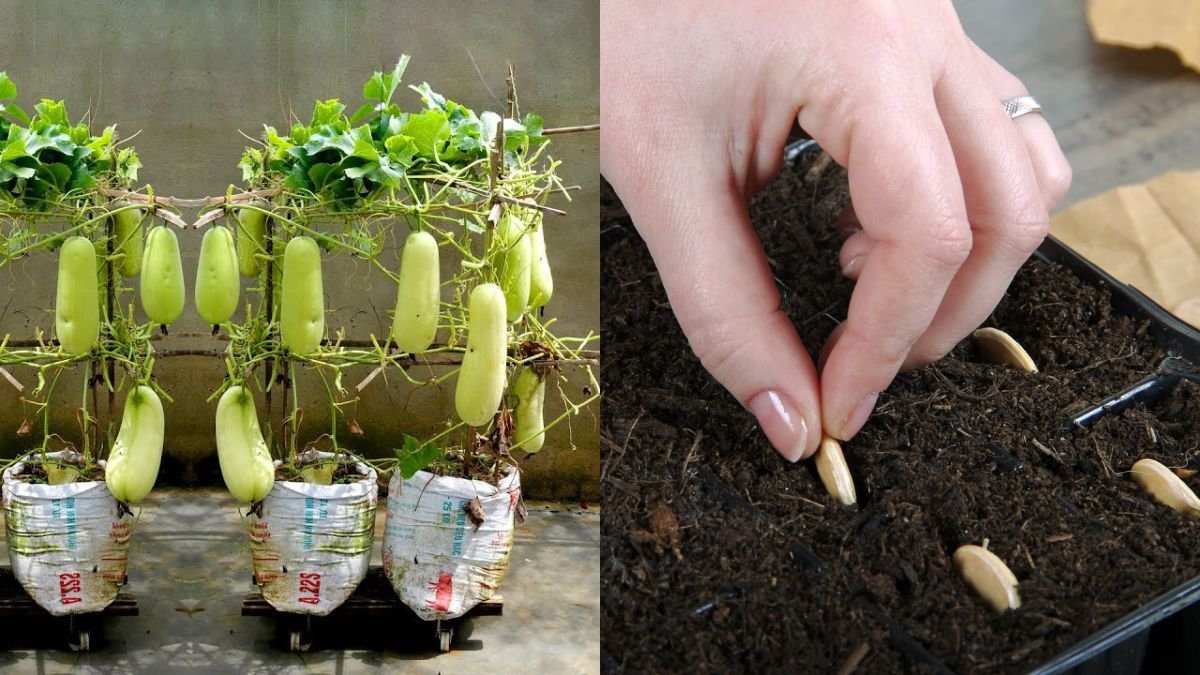
For urban dwellers or anyone without a traditional garden, growing squash may seem impossible. These vibrant vegetables are known for sprawling vines and large fruits, which traditionally require ample space. However, modern gardening techniques now make it possible to cultivate squash efficiently using sacks or grow bags, even in small spaces like balconies, patios, or rooftops. With a few simple strategies, you can produce high yields of squash without the need for soil beds or a backyard garden.
Sack gardening, also called grow bag gardening, has revolutionized urban agriculture by providing a compact, flexible, and highly productive solution for growing vegetables in limited spaces. By combining breathable sacks, nutrient-rich soil, and strategic plant care, gardeners can mimic the benefits of traditional plots while minimizing space, effort, and cost.
🧠 Why Sack Gardening Works for Squash
Squash plants are heavy feeders that require well-aerated, well-draining soil. Fabric sacks provide several unique benefits:
- Improved root aeration: Fabric allows air to circulate around the roots, preventing root rot and promoting stronger root systems.
- Better drainage: Excess water easily escapes, reducing the risk of soggy soil.
- Flexibility and mobility: Sacks can be moved to optimize sunlight or protect plants during extreme weather.
- High yield potential: Properly managed sacks can produce a significant amount of fruit per plant, rivaling traditional garden beds. (bobvila.com)
This method is particularly suited for urban gardeners, balcony growers, and anyone looking to maximize harvests without investing in a large garden plot.
🥒 Choosing the Right Squash Varieties
Not all squash varieties are equally suited for sack gardening. For beginners, selecting compact or bush-type varieties ensures that plants thrive in limited space while still producing abundant fruit.

Recommended Varieties:
- Zucchini and Yellow Summer Squash: These bushy types are highly productive in grow bags and easy to manage.
- Pattypan Squash: Small, rounded fruits with compact vines; perfect for confined spaces.
- Tromboncino (Vining Summer Squash): Can climb vertical supports, allowing more space-efficient growth.
- Winter Squash Varieties (Honeynut, Delicata): Smaller-fruited winter types can be grown vertically with support slings.
For maximum yield, use large sacks (15–20 gallons or more) to provide enough root space for vigorous growth. Larger sacks support both bush and vining varieties, reducing stress and encouraging bigger fruits. (greglo.com)
🪴 Setting Up Your Squash Sack Garden
Sack gardening is simple, but proper setup is key to ensuring high productivity.
1️⃣ Selecting the Sack
Fabric grow bags are ideal due to their breathability and drainage. For smaller bush varieties, 10–15 gallon sacks are sufficient. For larger winter or vining squashes, use 20+ gallon sacks. Avoid plastic containers that trap heat and water, which can damage roots. (biologyinsights.com)
2️⃣ Choosing Soil
Squash is nutrient-hungry. Fill your sack with a combination of:
- High-quality potting soil
- Organic compost
- Perlite or coco coir for aeration
This ensures excellent drainage, water retention, and nutrient availability. Well-prepared soil supports vigorous growth, healthy leaves, and high yields.

3️⃣ Location & Sunlight
Squash requires 6–8 hours of direct sunlight daily. Place your sacks in a location with ample sun exposure, such as a balcony, rooftop, or patio corner. You can reposition sacks during the season to follow sunlight patterns or protect them from extreme heat. (harvesttotable.com)
4️⃣ Watering & Fertilizing
Squash in sacks dries out faster than in-ground plants, so consistent watering is critical. Keep the soil evenly moist but not waterlogged. Supplement with a balanced organic fertilizer or compost tea every 2–3 weeks to support continuous flowering and fruiting. Overwatering can lead to root rot, while underwatering causes stress and reduces fruit size. (harvesttotable.com)
🌿 Training & Supporting Vines
Vining squash varieties benefit from vertical training:
- Place a trellis near the sack to encourage upward growth.
- Tie vines gently as they grow to prevent sprawling.
- Support heavy fruits with cloth or mesh slings to avoid breakage.
Vertical training improves air circulation, reduces fungal diseases, and frees up floor space while making harvesting easier. (homesandgardens.com)
🌱 Common Mistakes to Avoid
Even in sacks, squash needs proper care. Avoid these beginner errors:

- Using sacks that are too small: Restricts roots and reduces yield. Always use appropriately sized grow bags.
- Overwatering or underwatering: Monitor moisture closely, especially during hot weather.
- Neglecting support: Vining squash that sprawls in confined spaces can become stressed and produce fewer fruits.
By planning carefully, you can prevent these issues and achieve a productive harvest.
🌼 Creative Sack Garden Ideas
Sack gardening also allows creative approaches to maximize space and yield:
- Companion planting: Plant basil, marigolds, or nasturtiums nearby to deter pests naturally.
- Wall or railing sack gardens: Attach sacks to railings or walls for vertical squash towers.
- Repurposing materials: Old potato sacks, burlap, or reinforced grow bags can serve as effective planting containers.
These creative setups not only improve productivity but also enhance aesthetics in small urban spaces. (littleyellowwheelbarrow.com)
📈 Benefits of Sack Gardening for Urban Growers
Sack gardening is particularly beneficial for urban environments:
- Space efficiency: High yield per square foot in a compact area.
- Mobility: Sacks can be relocated as needed for light or weather protection.
- Pest management: Raised sacks reduce soil-borne pests and disease exposure.
- Cost-effective: No need to build beds or invest in expensive garden infrastructure. (growjoy.com)
This makes sack gardening ideal for anyone with limited outdoor space, including apartment balconies, terraces, and urban rooftops.

🌟 Expert Tips for Maximizing Yield
- Choose compact, productive varieties: Bush types fit better in sacks and produce more fruits per plant.
- Train vines early: Begin vertical support as seedlings grow to optimize airflow and reduce disease risk.
- Monitor soil moisture carefully: Fabric sacks dry quickly; adjust watering as needed.
- Harvest frequently: Frequent picking encourages continued fruit production, especially for summer squash.
Following these tips ensures consistent growth and high yields, making sack gardening a highly effective technique for beginners and experienced growers alike.
📌 Authoritative Sources
For more detailed guidance:
- RHS – How to Grow Squashes: Practical advice for growing squash in small and large spaces. (rhs.org.uk)
- Harvest to Table – Squash in Small Spaces: Step-by-step container and trellis growing instructions. (harvesttotable.com)
- GrowJoy – Vertical Gardening Benefits: Strategies for maximizing yield in limited spaces. (growjoy.com)
- Grow Bag Crop Guide: Recommended grow bag sizes for squash success. (biologyinsights.com)
🍆 Final Thoughts
Sack gardening offers a practical, productive, and space-saving way to grow squash at home, even without a traditional garden. By using the right sack size, nutrient-rich soil, consistent watering, and vertical supports for vining types, you can achieve high yields from small areas. Whether you are an urban gardener, balcony grower, or just looking for a way to grow vegetables without a backyard, this method allows you to enjoy fresh, home-grown squash efficiently and sustainably.
With proper planning and care, sacks can turn small urban spaces into productive gardens, delivering vibrant squash plants and delicious harvests season after season. Whether growing zucchini, pattypan, tromboncino, or smaller winter squash varieties, this approach makes squash cultivation accessible, fun, and rewarding for every beginner.
