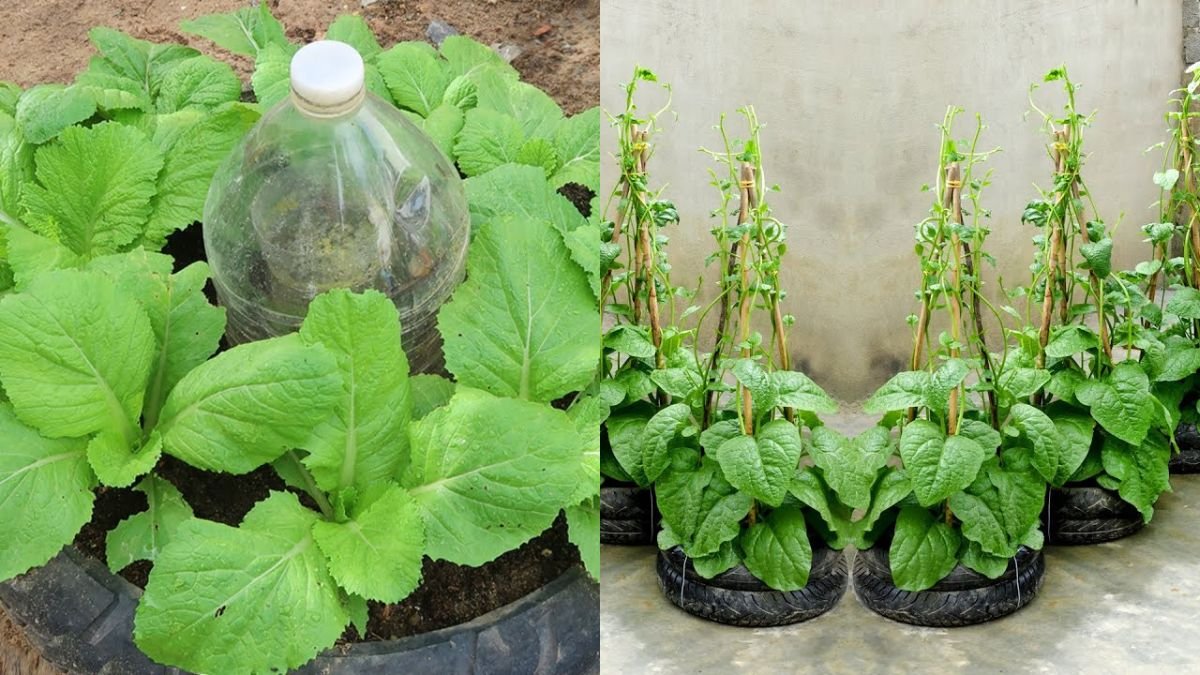
Introduction: Why Tire Gardening Matters
With rising food costs, urbanization, and limited outdoor space, many families are seeking practical, budget-friendly ways to grow their own vegetables at home. One creative solution that has gained attention is repurposing old tires as planters. This approach not only reduces environmental waste but can also provide a steady supply of fresh vegetables for your family, right from your backyard, balcony, or small garden plot.
However, it’s important to understand both the benefits and potential risks of tire gardening. Recent discussions in gardening communities highlight innovative ways to use tires safely while providing fresh food, as well as scientific insights about chemical leaching and crop safety. With the right precautions, tires can become productive containers that support sustainable, homegrown nutrition. (gardening.alibaba.com)
Benefits of Using Old Tires for Vegetable Gardening
Reusing old tires offers several advantages for family gardening:
1. Environmental Benefits
Old tires are difficult to recycle and often accumulate in landfills. By turning tires into planters, you reduce waste and contribute to environmental sustainability.
2. Cost-Effective Gardening
Tires are often free or inexpensive, eliminating the need to purchase expensive pots or raised beds. This makes tire gardening accessible for families on a budget.
3. Space Optimization
Tires can be stacked, arranged vertically, or placed in creative patterns to maximize limited gardening space. This makes them ideal for urban homes, balconies, and small yards. (bloomyheaven.com)

Safety Considerations When Growing Edible Crops
While tires are visually appealing as DIY planters, there are some important safety concerns to consider when growing vegetables:
Chemical Leaching
Tires contain rubber, metals, and chemical additives that can leach into soil, especially in warm conditions. Substances like zinc and polycyclic aromatic hydrocarbons (PAHs) may accumulate in the soil and could be absorbed by plants over time. (gardening.alibaba.com)
Health Risks
Due to potential chemical transfer, many experts recommend avoiding direct planting of edible root vegetables in tire planters unless protective liners are used. Leafy greens or herbs are generally considered safer if precautions are taken.
How to Use Tires Safely for Home Gardening
For families who want to use tires while minimizing health risks, here are practical steps:
1. Line the Interior
Insert a heavy-duty liner (such as food-safe plastic or thick fabric) inside the tire before adding soil. This reduces contact between the soil and rubber, limiting chemical exposure.
2. Choose Safe Crops
Focus on plants with shallow roots like lettuce, spinach, kale, and herbs. Avoid root vegetables such as carrots or potatoes, which are more likely to absorb contaminants. (echocommunity.org)

3. Stack and Elevate
Tires can be stacked to create raised beds, improving soil drainage and warming soil earlier in the season. This setup is ideal for leafy vegetables and fast-growing crops.
4. Use for Non-Edible Plants
If you’re concerned about safety, tires can be used for ornamental flowers, decorative plants, or herbs. This still provides sustainable reuse while minimizing risk. (diyeasyguides.com)
5. Monitor Soil and Plant Health
Replace the soil annually or monitor for unusual plant stress. Regular soil testing ensures the growing medium remains healthy and productive.
Best Vegetables for Tire Planters
Even with precautions, certain vegetables thrive better than others in tire gardens:
Leafy Greens
- Lettuce
- Spinach
- Kale
These vegetables have shallow roots, reducing exposure to tire materials when liners are used.
Herbs
- Basil
- Coriander
- Mint
Herbs grow well in contained spaces and are excellent for kitchens and balconies.

Quick Annuals
- Radishes
- Small salad greens
Fast-growing crops are ideal for containers because they can be harvested quickly, reducing long-term soil contact with the tire walls.
⚠️ Root vegetables like carrots and potatoes are not recommended for direct planting in unlined tires. (gardening.alibaba.com)
Step-by-Step Guide: Building Your Tire Vegetable Garden
Follow these steps to create a safe, productive tire garden at home:
- Clean and cut the tire: Remove dirt and debris, and cut the top if necessary to make it easier to plant.
- Insert a liner: Heavy-duty food-safe plastic or thick fabric works best.
- Add drainage material: Small gravel or broken pots at the bottom help prevent waterlogging.
- Fill with soil: Use a mix rich in compost and organic matter.
- Plant seeds or seedlings: Choose leafy greens, herbs, or quick annuals.
- Water regularly: Keep soil moist but avoid overwatering.
- Provide sunlight: Place the tires where plants receive 6–8 hours of light daily. (instructables.com)
Many home gardeners report harvests within weeks, providing fresh, nutritious vegetables for their family with minimal cost.
Alternatives to Tire Gardening
For families concerned about tire safety, there are several safe and sustainable alternatives:
1. Upcycled Containers
Buckets, wooden boxes, or fabric grow bags are inexpensive and do not carry chemical risks.

2. Raised Beds
Use wood, bricks, or recycled materials to create traditional raised beds. These allow better soil control and safer vegetable growth.
3. Vertical Gardening
Vertical planters maximize space, especially for herbs, leafy greens, and small fruits like cherry tomatoes.
Real-Life Examples
Urban families worldwide are successfully growing vegetables using repurposed containers:
- A Mumbai family harvested 2 kg of greens weekly using lined tires on a small balcony.
- DIY gardeners report growing continuous herbs and lettuce for kitchen use with minimal maintenance and investment.
These examples show that with thoughtful planning and safety measures, even small spaces can produce nutritious food for families.
Authoritative Sources for Further Reading
- Old Tires as Plant Pots Guide – Analysis of benefits and risks of tire planters. (gardening.alibaba.com)
- ECHOcommunity.org – Practical tire gardening instructions and crop recommendations. (echocommunity.org)
- Instructables – Step-by-step DIY tire vegetable planters. (instructables.com)
Conclusion
Using old tires for home gardening is creative, sustainable, and cost-effective, but safety is paramount. By lining the interior, selecting safe crops, and monitoring soil health, families can produce fresh vegetables while reducing waste.
Whether you choose lined tires for leafy greens, herbs, or decorative plants, or opt for safer container alternatives, the goal remains the same: provide nutritious, homegrown food for your family while making sustainable use of available resources.

With thoughtful planning, even a small space can become a productive, eco-friendly garden, giving your family access to fresh vegetables and reducing dependency on store-bought produce.