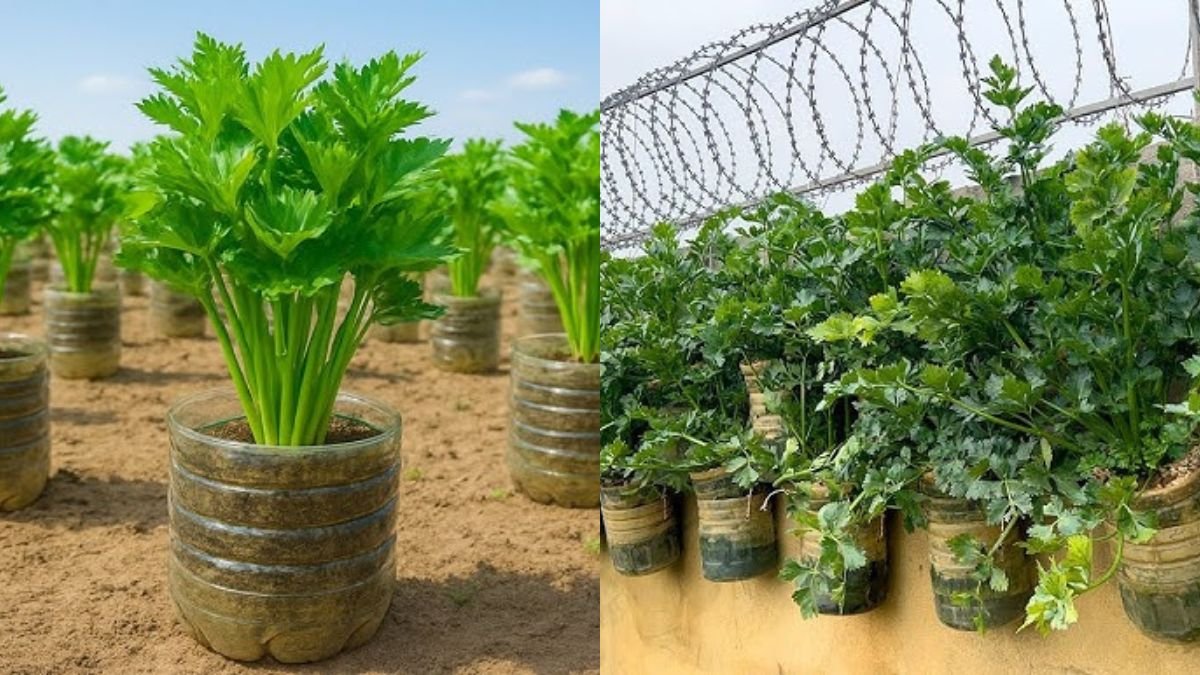
Introduction – The Future of Celery Gardening
Celery (Apium graveolens) is a staple in kitchens around the world, prized for its crisp stalks and aromatic leaves. Traditionally, celery is considered a high-maintenance crop because it demands constant watering, fertile soil, and long growing cycles. For urban gardeners or anyone without a backyard, growing celery can feel daunting.
However, recent innovations in hydroponics and passive growing systems are transforming celery cultivation. These approaches allow gardeners to grow celery without a traditional garden, and often without daily watering, making it accessible for apartments, indoor spaces, and balconies. Methods such as the Kratky system, aeroponics, and container-based hydroponics enable gardeners to enjoy fresh, homegrown celery year-round. (KratkyCelery.com)
This article explores the most effective techniques, benefits, and expert tips to grow celery smartly, efficiently, and sustainably.
Why Grow Celery Without a Garden?
Celery’s traditional cultivation requires significant attention:
- Frequent irrigation to maintain moist soil
- Fertile, well-drained garden beds
- Protection against pests and soil-borne diseases
Urban environments and small spaces often make these requirements impractical. By using soilless, water-efficient systems, gardeners can bypass these limitations. The benefits include:

- Reduced water use
- Minimal maintenance
- Ability to grow celery indoors or on small balconies
- Cleaner, healthier crops
Essentially, these methods provide a smart, no-garden solution for anyone wanting fresh, nutritious celery without the hassle of traditional gardening. (Lanitex HydroGarden)
Background: Soilless and Low-Water Growing Methods
There are two main approaches to growing celery without a garden:
1. Hydroponics
Hydroponics grows plants in a nutrient-rich water solution rather than soil. This approach allows celery to receive constant moisture and nutrients while minimizing the need for manual watering.
Common hydroponic methods for celery include:
- Deep Water Culture (DWC): Celery roots float in oxygenated nutrient solution.
- Nutrient Film Technique (NFT): A thin stream of nutrient solution flows over the roots.
- Passive Hydroponics (Kratky Method): Plants sit in nutrient solution without pumps or electricity, making it simple and beginner-friendly. (KratkyCelery.com)
Hydroponics eliminates many challenges of soil gardening, including pests, soil diseases, and inconsistent moisture levels.

2. Passive Hydroponics – The Kratky Method
The Kratky method is a passive hydroponic system that does not require electricity, pumps, or continuous monitoring. It works by placing celery seedlings in a container filled with nutrient solution. As the plant grows, the water level naturally decreases, allowing roots to access both nutrient solution and oxygen.
This method is particularly suited for celery because:
- Celery thrives in consistent moisture and oxygen-rich environments
- It allows for hands-off growth without daily watering
- It can be easily set up indoors or in small spaces
The simplicity and effectiveness of the Kratky method make it a favorite among beginner and urban gardeners. (KratkyCelery.com)
Step-by-Step Guide: Growing Celery Without a Garden
Here’s how to grow celery efficiently using smart hydroponic and passive methods:
Step 1: Choose Your System
Decide whether to use:

- Kratky passive hydroponics – ideal for beginners and small setups
- Aeroponics or NFT systems – suitable for larger yields or more advanced gardeners
- Container-based hydroponics – easy indoor solution with net pots and nutrient solution
Each method ensures the plant receives nutrients and water without daily irrigation.
Step 2: Prepare a Nutrient Reservoir
- Use an opaque container to prevent algae growth.
- Fill with a hydroponic nutrient solution suitable for leafy vegetables.
- Adjust pH to 6.0–6.5 for optimal celery growth.
In passive systems like Kratky, the nutrient reservoir also serves as the plant’s water supply, eliminating the need for pumps or manual watering. (Lanitex HydroGarden)
Step 3: Plant Celery Seedlings or Cuttings
- Use healthy seedlings or propagate celery from cuttings.
- Place them in net pots with a grow medium such as clay pellets or rock wool.
- Ensure the roots touch the nutrient solution but not the stems to avoid rot.
Step 4: Provide Adequate Light
Celery requires 6–8 hours of light daily:
- For indoor gardening, use full-spectrum grow lights.
- For balconies or sunlit spaces, ensure plants get indirect sunlight.
Adequate light ensures photosynthesis, healthy growth, and crisp stalks.
Step 5: Monitor and Harvest
- Passive systems require minimal maintenance; only check nutrient levels periodically.
- Harvest celery stalks once they reach desired size.
- Leaves and outer stalks can be picked gradually, allowing the plant to continue growing.
Alternative Method: Aeroponics and Vertical Systems
For urban growers aiming for high-density, high-yield cultivation, aeroponics and vertical hydroponic systems are excellent options:

- Aeroponics: Roots suspended in air and misted with nutrient solution; extremely water-efficient
- Vertical hydroponic towers: Maximize space by stacking growing trays, perfect for apartments or limited balconies
These methods are more advanced but allow gardeners to grow a large amount of celery in minimal space while maintaining low water consumption. (Reddit Hydroponics)
Benefits of Growing Celery Without a Garden
1. Minimal Watering and Maintenance
Once set up, hydroponic and passive systems allow celery to access nutrients and water independently, reducing daily care.
2. Water Efficiency
Smart hydroponic systems use up to 90% less water compared to traditional soil gardening.
3. Space-Saving
These systems enable celery cultivation in apartments, kitchen counters, or small indoor areas.
4. Reduced Pest and Disease Risks
Growing celery without soil minimizes exposure to soil-borne pests and diseases.

5. Year-Round Harvest
Indoor hydroponics ensures a continuous supply of fresh, crisp celery regardless of outdoor seasons.
Tips for Success
- Use quality hydroponic nutrients formulated for leafy greens
- Monitor pH levels regularly (optimal range: 6.0–6.5)
- Ensure adequate light – either natural or full-spectrum grow lights
- Avoid overcrowding – allow sufficient space for each celery plant
- Gradual harvesting – pick outer stalks first to promote continuous growth (KratkyCelery.com)
Authoritative Sources
- Kratky Celery Guide – Step-by-step passive hydroponic instructions (KratkyCelery.com)
- Hydroponic Gardening Overview – Insights into growing celery in nutrient solutions (Lanitex HydroGarden)
- Hydroponic Community Insights – Reddit discussion on growing celery and other vegetables hydroponically (Reddit Hydroponics)
Conclusion – Smart, No-Garden Celery Growing
Growing celery without a garden or daily watering is now a practical, effective, and sustainable option for urban and indoor gardeners. Techniques like the Kratky hydroponic method, container-based hydroponics, and aeroponic towers allow you to enjoy fresh, crisp celery year-round with minimal space, water, and maintenance.
These systems are beginner-friendly, water-efficient, and adaptable to any home environment. By embracing these modern cultivation methods, you can enjoy a continuous supply of healthy, flavorful celery, without the traditional challenges of soil gardening.