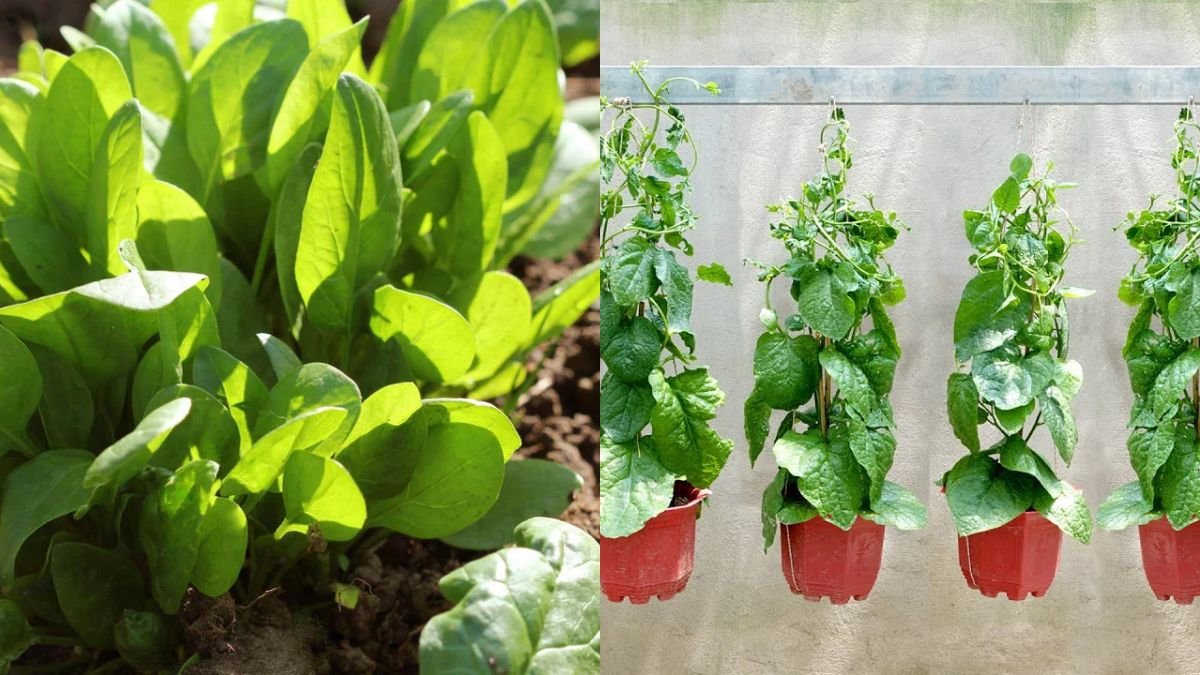
Who says you need a garden to enjoy fresh, nutrient-packed vegetables? Spinach is one of the easiest leafy greens to grow at home, whether you have a balcony, terrace, windowsill, or even a small indoor space. With its fast-growing leaves, high nutritional value, and low maintenance requirements, spinach allows anyone to enjoy fresh, homegrown produce without a traditional garden.
In this article, we’ll explore practical strategies for growing spinach at home easy and fast with fresh vegetables. You’ll learn the best containers, soil types, watering methods, sunlight requirements, and harvesting techniques to enjoy crisp spinach year-round.
Why Spinach Is Ideal for Home Growing
Spinach (Spinacia oleracea) is naturally suited for container gardening and small-space cultivation. Here’s why:
- Fast Growth: Spinach can be ready to harvest in as little as 30–60 days. (Times of India)
- Adaptable to Containers: It thrives in pots, trays, and grow bags, making it perfect for indoor or balcony setups. (RHS)
- Continuous Harvest: When harvested properly, spinach provides multiple yields from the same planting. (AllThatGrows)
- Nutritional Powerhouse: Rich in iron, vitamins, and antioxidants, spinach adds a healthy boost to daily meals.
Because of its fast growth and adaptability, spinach is an ideal leafy vegetable for urban gardeners and anyone who wants fresh produce without a backyard.
What You’ll Need to Grow Spinach at Home
Even without a garden, you can grow spinach successfully with just a few essential items.

1. Containers with Drainage
Select pots, grow bags, or shallow trays with good drainage. Containers that are at least 15–20 cm (6–8 in) deep work best. Materials such as plastic, ceramic, or fabric are suitable as long as water can escape freely. Proper drainage prevents root rot and helps maintain consistent moisture. (Homes & Gardens)
2. Quality Potting Mix
Spinach requires a nutrient-rich, well-draining soil mix. Mix potting soil with compost or organic matter to improve water retention and provide essential nutrients for fast growth. Light, loamy soil ensures healthy leaves and steady growth. (AllThatGrows)
3. Sunlight
Spinach grows best with 4–6 hours of sunlight per day. Morning sun is ideal. If you live in a warm climate, provide partial shade during the hottest hours to prevent bolting (premature flowering). (Urvann)
4. Water and Maintenance Tools
Consistent moisture is key for tender, crisp spinach. Keep the soil evenly moist but avoid waterlogging. A watering can with a fine nozzle allows gentle, even watering. For indoor setups, consider a small spray bottle or drip system to maintain moisture without overwatering. (RHS)
Optional: If growing indoors with limited sunlight, use full-spectrum LED grow lights to ensure proper leaf development.

Step-by-Step Guide to Growing Spinach at Home
Step 1: Prepare the Container
Fill your container with potting soil mixed with compost. Lightly firm the soil without compacting it too tightly. Roots need space and aeration to grow effectively.
Step 2: Sow Seeds
Plant spinach seeds about 1 cm deep, spacing them 7–10 cm apart. Crowding can reduce airflow and increase the risk of fungal problems. Water gently to settle the seeds in place. (RHS)
Step 3: Maintain Consistent Moisture
Spinach thrives when soil remains consistently moist. Water the container regularly, checking the topsoil daily. Mulching the surface can help retain moisture and keep the roots cool, especially during warm weather. (AllThatGrows)
Step 4: Provide Proper Light
Place containers in a location that receives bright, indirect sunlight. Morning sun is ideal. If sunlight is insufficient, supplement with grow lights for 10–14 hours per day to ensure healthy growth. (Urvann)
Step 5: Feed Regularly
Spinach is a light feeder but benefits from occasional nutrient supplementation. Apply liquid organic fertilizer or compost tea every 2–3 weeks to encourage healthy, fast-growing leaves. Avoid excessive nitrogen, which may promote lush leaves at the expense of taste and texture. (AllThatGrows)

Harvesting Spinach for a Continuous Supply
One of the major advantages of growing spinach at home is the ability to harvest gradually.
- Cut outer leaves first: Harvesting mature outer leaves while leaving the central growth intact encourages new growth.
- Regular harvesting: Picking leaves consistently stimulates the plant to produce more leaves, allowing multiple harvests from one planting.
- Timing: Spinach is best harvested when leaves are young and tender for optimal taste and nutrition. (Times of India)
This “cut-and-come-again” method is a key tip for enjoying a continuous supply of fresh spinach all season long.
Indoor Spinach Growing Tips
Spinach can thrive indoors, making it perfect for people without outdoor space.
- Sunny Windows: Place pots near south- or east-facing windows for morning sunlight.
- LED Grow Lights: Supplement with LED lights if natural light is insufficient.
- Cool Temperatures: Keep indoor temperatures moderate to prevent bolting.
- Moisture: Monitor container soil daily; indoor air can dry soil faster than outdoor conditions.
Indoor spinach cultivation allows year-round growth, offering a constant supply of fresh, nutritious leaves. (Reddit Gardening)
Using Your Homegrown Spinach
Fresh spinach harvested at home is versatile and packed with flavor:
- Add raw leaves to salads, sandwiches, and wraps.
- Sauté with garlic or olive oil for a healthy side.
- Use in soups, stews, and curries.
- Blend into smoothies for a nutritious green boost.
Growing spinach at home ensures that your leaves are fresh, chemical-free, and packed with nutrients.
Background Context: Home Vegetable Gardening Without a Garden
Urban gardening and container cultivation have become increasingly popular as people seek access to fresh, healthy, and affordable produce. Even without a garden, anyone can grow vegetables like spinach, lettuce, and herbs in small spaces. Container gardening allows for precise control of water, nutrients, and light while reducing reliance on store-bought produce. This approach supports sustainability, health, and self-sufficiency — perfect for city dwellers. (Times of India)
Authoritative Sources
- Royal Horticultural Society (RHS) – Spinach Growing Guide: Offers expert guidance on sowing, care, and harvesting. (rhs.org.uk)
- AllThatGrows – Container Spinach Gardening: Practical advice for growing leafy greens in pots. (allthatgrows.in)
- Times of India – Grow Spinach at Home: Step-by-step guidance for urban and small-space gardening. (timesofindia.indiatimes.com)
These sources provide reliable, expert-backed advice for successful home spinach cultivation.
Conclusion
Spinach is an ideal vegetable for urban and home gardeners because it grows quickly, requires minimal maintenance, and thrives in containers. With proper containers, soil, consistent watering, sufficient sunlight, and regular harvesting, you can enjoy fresh, nutritious spinach even without a traditional garden.
By following these practical steps, you can grow spinach at home easy and fast with fresh vegetables, bringing healthy, flavorful leaves directly to your kitchen all year round. Start small, care consistently, and enjoy the rewards of homegrown spinach today. 🌱🥬