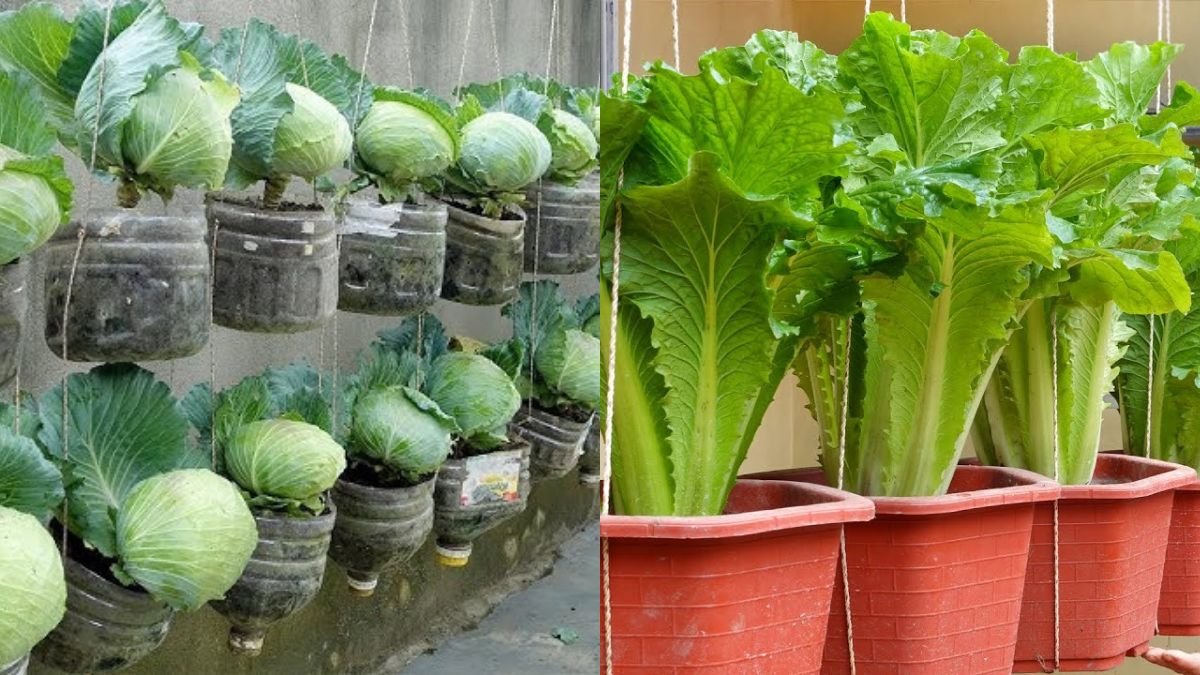
For many families, the idea of growing vegetables at home feels impossible without a backyard or farmland. Apartments, rented homes, and urban living often limit access to traditional garden space. Yet today, a housewife’s dream vegetable garden is no longer tied to owning land. With modern container gardening techniques, anyone can grow fresh, nutritious vegetables without a garden at all.
Rising food prices, concerns over chemical residues, and the desire for healthier meals have pushed more households to explore home food production. The good news is that you don’t need soil beds, fences, or large yards. With a few containers, sunlight, and simple care routines, your balcony, terrace, or even a sunny window can become a productive vegetable garden.
This article explains how the [FOCUS KEYWORD] approach allows you to grow vegetables easily, cheaply, and efficiently—perfect for busy housewives and families who want fresh food every day.
Why a No-Garden Vegetable Garden Is So Popular
The popularity of no-garden vegetable gardening has grown rapidly in recent years. Urbanization has reduced access to land, but gardening knowledge and materials have become more accessible than ever. Container gardening solves several common problems at once.
First, it eliminates the need for outdoor soil. Second, it gives full control over soil quality, watering, and nutrients. Third, it allows gardening in places once considered unsuitable, such as balconies, rooftops, stair landings, and indoor corners with sunlight.
For housewives, this method is especially attractive because it fits easily into daily routines. Watering takes only minutes, weeds are minimal, and harvesting is clean and convenient. There is no heavy digging, no long walks to the garden, and no dependence on seasons alone.
The Core Idea Behind the Housewife’s Dream Vegetable Garden
The key principle of this method is container-based growing. Instead of planting vegetables in the ground, plants are grown in pots, buckets, grow bags, plastic tubs, recycled containers, or vertical planters.

Each plant gets its own controlled environment, making growth more predictable and manageable. This reduces failures and increases confidence, especially for beginners.
Another important concept is space efficiency. Vertical growth, stacking, hanging pots, and railing planters allow maximum production in minimal space. Even a small balcony can produce enough vegetables for daily cooking when planned correctly.
Best Vegetables to Grow Without a Garden
One of the biggest advantages of no-garden gardening is flexibility. Many vegetables thrive in containers and require surprisingly little space.
Leafy greens such as spinach, lettuce, fenugreek, mustard greens, and kale grow quickly and are ideal for shallow containers. These crops can be harvested multiple times, making them perfect for everyday meals.
Tomatoes, especially cherry and dwarf varieties, perform exceptionally well in pots. With proper sunlight and support, a single plant can produce dozens of fruits.
Chillies and bell peppers are another favorite. They grow well in medium-sized containers and continue producing for months with regular harvesting.
Root vegetables like carrots, radishes, and beetroot can also be grown successfully in deep containers with loose soil. Short or round varieties are especially suitable for small spaces.

Herbs such as coriander, mint, basil, curry leaves, and spring onions are among the easiest crops to grow and are perfect for windowsills and kitchen gardens.
Choosing the Right Containers
Almost any container can be used as long as it has drainage holes. Clay pots, plastic pots, buckets, tubs, grow bags, and even reused bottles can support healthy plant growth.
The size of the container matters. Leafy greens need shallow containers, while fruiting plants like tomatoes and eggplants require deeper pots to support root development.
Drainage is critical. Excess water must escape to prevent root rot. Placing small stones or broken clay pieces at the bottom improves airflow and drainage.
Lightweight containers are ideal for balconies and rooftops, making them easy to move and rearrange according to sunlight.
Soil and Growing Medium
Using the right soil mix is essential for success. Regular garden soil is often too heavy for containers and may compact easily.
A good container mix is light, well-draining, and rich in organic matter. Many gardeners use a blend of compost, cocopeat, and sand or perlite. This combination retains moisture while allowing roots to breathe.

Organic compost provides nutrients, while cocopeat improves water retention. This mix supports healthy growth and reduces the need for frequent fertilization.
Sunlight and Placement
Most vegetables need at least 5–6 hours of direct sunlight daily. South- or east-facing balconies usually provide ideal conditions.
Containers can be moved during the day to follow sunlight if necessary. Vertical racks and tiered shelves help ensure all plants receive enough light.
For indoor gardening, placing plants near bright windows or using grow lights can compensate for limited sunlight.
Watering and Daily Care
Container plants dry out faster than garden soil, so regular watering is essential. Water when the top layer of soil feels dry, ensuring moisture reaches the roots.
Early morning watering is best, as it reduces evaporation and stress on plants. Overwatering should be avoided, as it can suffocate roots.
Mulching with dry leaves or straw helps retain moisture and reduces watering frequency.

Daily care takes only a few minutes and quickly becomes a relaxing routine.
Feeding Plants Naturally
Since nutrients wash out of containers faster, occasional feeding is necessary. Organic liquid fertilizers, compost tea, or diluted cow dung solutions work well.
Avoid excessive nitrogen, which encourages leafy growth at the expense of fruits. Balanced feeding ensures healthy plants and better yields.
Pest Control Without Chemicals
One of the biggest benefits of home gardening is the ability to grow chemical-free food. Most pests can be managed naturally.
Neem oil spray, soap water, and manual removal are effective for common pests like aphids and mites. Good airflow and clean containers reduce disease problems.
Because plants are close and easy to inspect, issues are spotted early and resolved quickly.
Harvesting and Continuous Production
Regular harvesting encourages plants to produce more. Leafy greens can be cut multiple times, while fruiting plants respond well to frequent picking.
Once one crop finishes, containers can be reused immediately for new plants. This allows year-round vegetable production with minimal space.
Benefits for the Household
A no-garden vegetable garden saves money, improves food quality, and builds self-reliance. It also provides mental relaxation and a sense of achievement.
For housewives, it means fresh vegetables available anytime, reduced grocery trips, and complete control over what the family eats.
Children also learn valuable lessons about nature, responsibility, and healthy eating by watching vegetables grow at home.
Conclusion
The Housewife’s Dream Vegetable Garden, No Need for a Garden is no longer just an idea—it is a practical, proven solution for modern living. With containers, sunlight, and simple care, anyone can grow fresh vegetables without land or farming experience.
By following the [FOCUS KEYWORD] method, even small spaces can turn into productive food sources. Whether you live in an apartment, rented home, or city flat, your dream of growing clean, healthy vegetables at home is completely achievable.