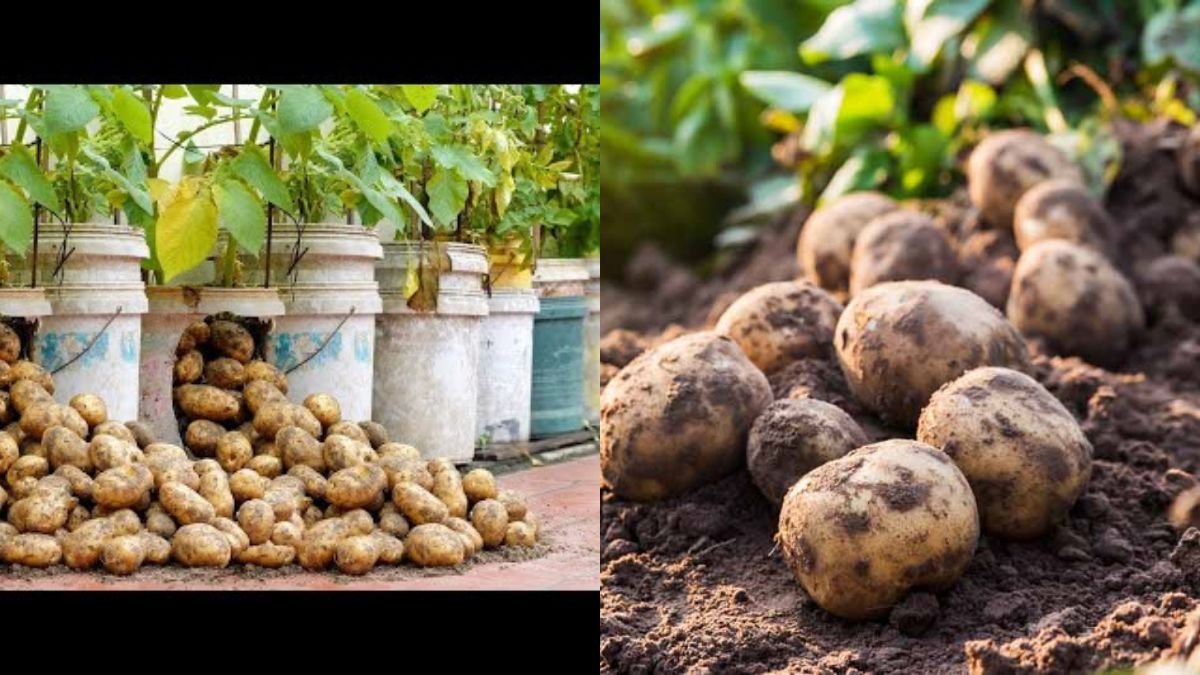
Growing potatoes at home is one of the most satisfying experiences for new gardeners. With simple techniques and minimal care, potatoes can produce a surprising number of tubers, making them an ideal crop for beginners. Unlike many vegetables that demand constant attention, potatoes are forgiving, adaptable, and productive even when grown in containers, grow bags, or small garden plots.
Potatoes grow underground, meaning the reward comes at harvest time when you dig into the soil and uncover clusters of fresh, homegrown tubers. With proper planting, watering, and hilling, a single seed potato can turn into several pounds of harvest. This guide explains everything you need to know to grow potatoes successfully at home, even if it’s your first time gardening.
Background: Why Potatoes Are So Easy to Grow
Potatoes are grown worldwide because they adapt well to many climates and soil conditions. They prefer cool to moderate temperatures, loose soil, and consistent moisture, but they are tolerant of beginner mistakes. This makes them ideal for home gardeners who want reliable results without advanced skills.
Another advantage is versatility. Potatoes can be grown in:
- Garden beds
- Raised beds
- Containers or grow bags
- Vertical potato towers
They also mature relatively quickly, with many varieties ready to harvest in 2–4 months, making them a fast and rewarding crop.
Step 1: Choosing the Right Seed Potatoes
For best results, always start with certified seed potatoes. These are disease-free and specifically grown for planting. While store-bought potatoes can sprout, they may carry diseases or be treated to prevent growth.
Choose seed potatoes with visible “eyes,” which are the points where shoots emerge. Large seed potatoes can be cut into pieces, as long as each piece has at least one eye. Allow cut pieces to dry for a day before planting to reduce the risk of rot.

Step 2: Best Time to Plant Potatoes
Planting time depends on climate, but potatoes generally grow best when soil temperatures reach 45–60°F (7–15°C). They tolerate cool conditions but dislike waterlogged soil.
- In cooler regions: plant in early spring after frost danger passes
- In warmer regions: late winter or early spring works best
Correct timing helps potatoes establish strong roots and prevents early disease problems.
Step 3: Preparing the Soil for Maximum Tubers
Potatoes thrive in loose, well-drained soil. Compact or clay-heavy soil can restrict tuber growth and reduce yield. Before planting:
- Loosen soil to a depth of at least 10–12 inches
- Mix in compost or well-rotted manure
- Aim for slightly acidic soil (pH 5.0–6.5)
If your soil is heavy, raised beds or containers are excellent alternatives. Healthy soil is one of the most important factors in producing lots of tubers.
Step 4: How to Plant Potatoes Correctly
Plant seed potato pieces about 3–4 inches deep, with the eyes facing upward. Space plants roughly 12 inches apart, allowing room for tuber expansion.
For containers:
- Use deep pots or grow bags with drainage holes
- Start with 6–8 inches of soil
- Add more soil as plants grow
This planting method allows tubers to form along the buried stems, increasing yield.

Step 5: Sunlight and Location
Potatoes require 6–8 hours of direct sunlight daily. Choose an open, sunny location with good air circulation. Sunlight fuels leaf growth, which directly affects tuber size and quantity.
If growing in containers, place them where they receive consistent sunlight and can be moved if weather conditions change.
Step 6: Hilling — The Secret to More Tubers
Hilling is one of the most important steps in potato growing. When plants reach about 6–8 inches tall, mound soil or compost around the base, covering the lower stems. Repeat this process every 10–14 days.
Benefits of hilling:
- Encourages more tuber formation
- Prevents tubers from turning green
- Improves overall yield
Without hilling, potato harvests are often smaller and less productive.
Step 7: Watering for Healthy Growth
Potatoes need consistent moisture, especially during tuber formation. Water deeply once or twice a week, keeping soil evenly moist but never soggy.
Key watering tips:

- Water at soil level, not on leaves
- Avoid waterlogging
- Increase watering during flowering and tuber development
Proper watering leads to smoother, larger tubers and prevents cracking or misshapen potatoes.
Step 8: Fertilizing Without Overdoing It
Potatoes are moderate to heavy feeders, but excess nitrogen can reduce tuber production by encouraging leaf growth instead.
Best fertilizing approach:
- Add compost or organic fertilizer at planting
- Apply a balanced or low-nitrogen fertilizer mid-season
- Avoid frequent high-nitrogen feeding
This balance helps plants focus energy on producing lots of tubers, not just foliage.
Step 9: Mulching for Better Results
Mulching is highly recommended for potato plants. Use straw, dried leaves, or grass clippings to cover the soil around plants.
Mulch helps:
- Retain moisture
- Suppress weeds
- Protect tubers from sunlight
- Regulate soil temperature
This simple step significantly improves both yield and tuber quality.
Space-Saving Methods for Small Gardens
Container Growing
Potatoes grow exceptionally well in containers. Grow bags and deep pots allow easy soil control and harvesting. As plants grow, continue adding soil to simulate hilling.
Vertical Potato Towers
Potato towers are ideal for balconies and small yards. Built using mesh or stacked containers, towers allow potatoes to grow upward while producing tubers at multiple levels.
Both methods are beginner-friendly and can produce impressive harvests in limited space.
Harvesting Potatoes at the Right Time
Harvest timing depends on your preference:
- New potatoes: harvest 7–10 weeks after planting when plants flower
- Mature potatoes: harvest when foliage yellows and dies back
Dig carefully to avoid damaging tubers. After harvesting, allow potatoes to cure in a cool, dark place for about two weeks to toughen skins for storage.
Storage Tips for Homegrown Potatoes
Store cured potatoes in a cool, dark, and well-ventilated place. Avoid refrigeration, as cold temperatures convert starch to sugar. Proper storage keeps potatoes fresh for several months.
Suggested Authoritative Sources
- Better Homes & Gardens – Potato planting and hilling techniques
- American Gardener – Soil preparation and potato care
- Homes & Gardens – Container and vertical potato growing
- Next Step Living – Beginner potato gardening tips
Conclusion: A Perfect Crop for Beginners
Growing potatoes at home is easy, affordable, and highly productive. With basic soil preparation, proper watering, and regular hilling, even beginners can harvest a large quantity of tubers from a small space. Whether grown in garden beds, containers, or vertical towers, potatoes consistently deliver reliable results.

If you’re new to gardening and want a crop that builds confidence while producing real rewards, potatoes are the perfect place to start.