Introduction: Turn Trash Into Garden Treasure
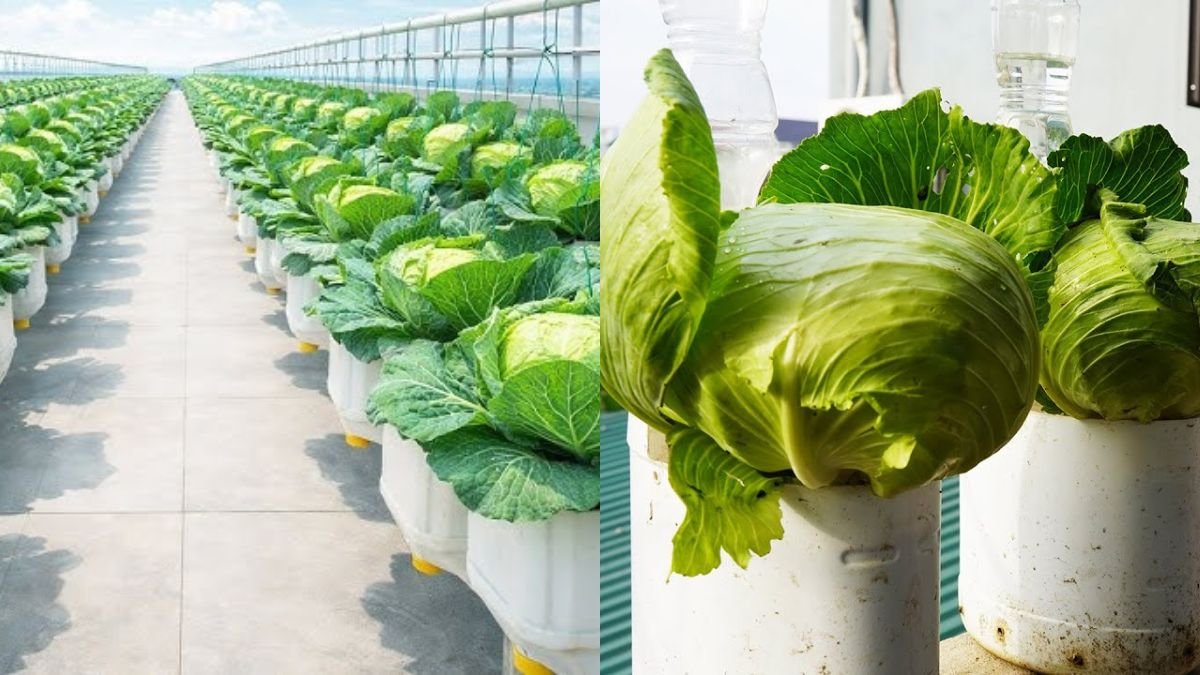
Plastic waste is everywhere — from streets to landfills — and its impact on the environment is significant. But what if that waste could be transformed into something beautiful, productive, and eco-friendly? One inspiring solution is to recycle plastic bottles and containers into planters for a unique cabbage garden. This creative idea not only reduces waste but also gives you fresh produce and an eye-catching green space, even if you live in an apartment or have limited outdoor area. Recent projects show that upcycled plastic can become a thriving home garden element, making sustainability practical and rewarding for everyone.
🌱 Background Context: Sustainable Gardening Is Trending
Across the world, gardeners and eco-enthusiasts are embracing innovative, low-cost gardening techniques that reduce waste and maximize productivity. One of the most exciting trends is using plastic bottles as vertical garden planters — a technique suitable for balconies, patios, and walls where traditional gardens aren’t possible.
For example, in Karnataka, students upcycled 700 plastic bottles into hanging garden planters to grow multiple vegetable varieties, demonstrating how community action and gardening can go hand-in-hand with environmental stewardship.
This movement is part of a larger shift toward creative reuse in home gardening that turns discarded items into functional, beautiful green spaces that benefit both people and the planet.
🛠️ Step-by-Step: Build Your Plastic Bottle Cabbage Garden
You don’t need garden beds or expensive pots to grow cabbage. With a few recycled materials and basic tools, you can create a garden that’s both visually appealing and productive.

1. Collect and Prepare Your Plastic Bottles
Start by gathering a mix of plastic bottles and containers — cleaned and labels removed. Larger bottles (1.5 L or 2 L) work best as they hold more soil and provide room for cabbage roots.
Tools you’ll need:
- Sharp scissors or knife
- Drill or heated nail for drainage holes
- Rope, twine, or hooks (for vertical installation)
- Quality potting soil mixed with compost
2. Prepare the Bottles for Planting
Each bottle will become a DIY planter:
- Cut an opening: On the side of each bottle, cut a long rectangle large enough to add soil and plant seedlings.
- Add drainage: Puncture a few holes at the bottom so water drains freely — essential to prevent root rot.
- Optional painting: Decorating the bottles with bright, weather-proof paint adds color and personality to your garden — turning waste into art.
3. Arrange Your Garden Structure
There are two main layout styles you can choose from:
Vertical Bottle Garden
Hanging bottles stacked or on a wall frame make a lush, space-saving green installation. This method works well on balconies, fences, or bare walls — perfect for urban gardening.

Horizontal Rows
Alternatively, mount bottles horizontally on a sturdy board or railing. This is great for larger bottle assemblies and gives a layered, garden-bed look even in small spaces.
Both styles create a dynamic visual effect and let you scale the project based on your space and number of cabbage plants.
4. Fill With Soil and Plant Cabbage
Fill each prepared bottle with a nutrient-rich potting mix blended with compost. Then:
- Plant cabbage seedlings: Position them so their roots are well covered and leaves have room to grow outward.
- Water thoroughly: Give the young plants a drink of water, making sure the soil settles evenly.
Growers suggest that smaller or “compact” cabbage varieties are ideal for recycled planters, as they don’t need as deep a root zone as large field types.
🥬 Why This Garden Works: Benefits Explained
Turning plastic waste into a cabbage garden is more than a fun DIY project — it’s practical, sustainable, and eco-friendly:

Space-Efficient for All Homes
Whether you have a balcony, terrace, or a small yard, this approach lets you grow vegetables without traditional beds or expensive planters.
Reduces Waste While Growing Food
By upcycling plastic bottles, you help reduce environmental pollution and cut down on landfill waste. Instead of letting bottles litter streets or landfills, they become productive garden elements.
Beautifies Your Space
Arrange the bottles thoughtfully and add paint or decorations — your cabbage garden can double as living art that brightens walls and outdoor areas.
🌼 Tips to Maximize Your Cabbage Garden’s Success
Choose the Right Cabbage Variety
Look for compact or container-friendly cabbage types. These grow well in shallower planters and still produce good heads.
Sunlight and Watering
Cabbage plants thrive with full sun (at least 5–6 hours daily) and consistent watering. Make sure each planter receives enough light and doesn’t dry out — a drip watering system can be a big help.

Soil Nutrition
Add organic fertilizers or compost to enrich the limited soil space in each bottle. Cabbage is a nutrient-hungry vegetable and benefits from continuous feeding.
Consider Safety and Plastic Concerns
Some gardeners raise concerns about growing food in plastic due to potential chemical leaching, especially in direct sunlight. If this is a worry, consider adding a protective inner lining or switch to glass or ceramic alternatives for edible gardening areas.
📚 Suggested Authoritative Sources
To deepen your knowledge and find more DIY garden inspiration, check out these trusted resources:
- The Better India – DIY Vertical Gardens with Plastic Bottles: practical steps for building reusable planter systems.
- Devaraja Market – Amazing Garden Art from Recycling Plastic Bottles: creative ideas for upcycled planters and self-watering systems.
- Homes and Gardens – How to Reuse Plastic Bottles in the Garden: broader tips on upcycling plastics for gardening.
- Packnode – How Reused Plastic Packaging Is Growing Roots at Home: trend insights on repurposing single-use plastics for home gardening.
🌿 Conclusion: A Garden That’s Beautiful, Practical, and Sustainable
Recycling plastic waste into a one-of-a-kind cabbage garden is an idea that blends creativity, sustainability, and productivity. By upcycling bottles into planters, you reduce waste, beautify your space, and grow healthy vegetables — all with minimal cost and maximum impact.
This approach proves you don’t need a large garden or expensive pots to enjoy homegrown cabbage. With a little DIY effort and imagination, you can turn trash into treasure — creating a garden that’s not only functional but wonderfully beautiful. Start gathering your recycled bottles today, and watch your cabbage garden flourish!
