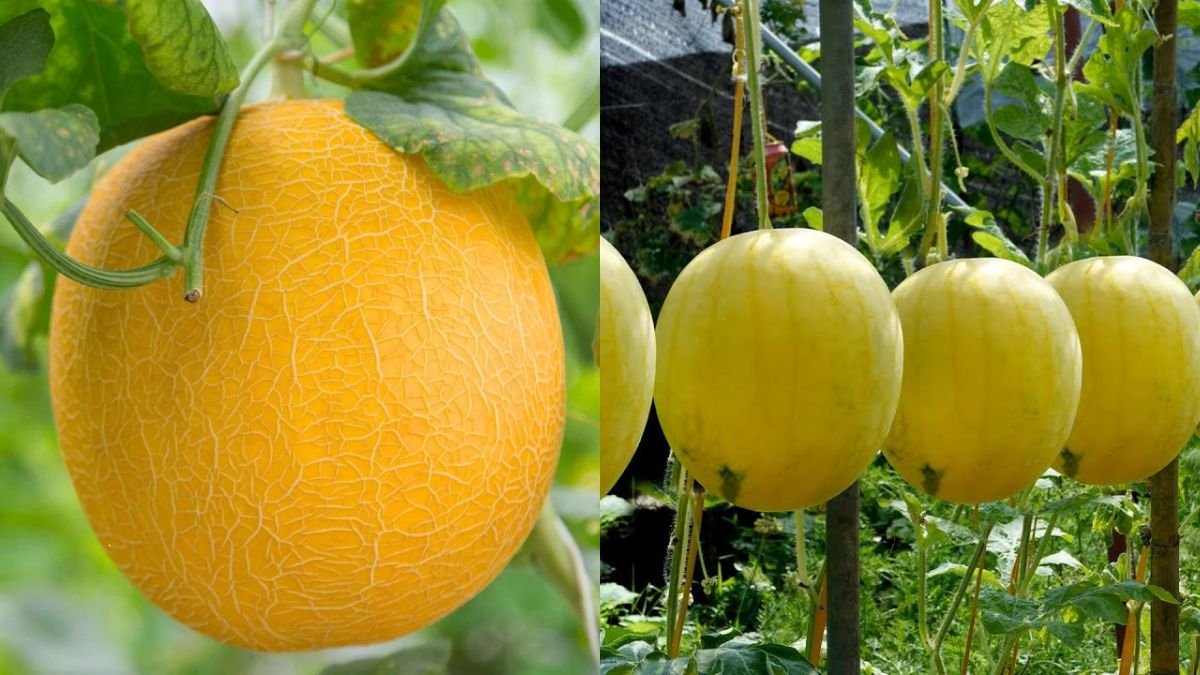
Why Yellow Watermelons Are Special
Yellow watermelons are not just visually appealing — they have unique flavor profiles and nutritional benefits. Unlike red watermelons, yellow varieties lack lycopene, the compound responsible for the red color, but they are just as refreshing and high in water content. Many gardeners also find them slightly sweeter than traditional red varieties, which makes them perfect for desserts, smoothies, or fresh eating.
Growing yellow watermelons allows gardeners to experiment with unique fruit varieties and enjoy the satisfaction of harvesting something rare and visually stunning. However, maximizing their size, sweetness, and juiciness requires attention to several critical factors: sunlight, soil, watering, fertilization, pollination, and proper care.
🌞 1. Choosing the Right Site
Sunlight is Key
Yellow watermelons need at least 6–8 hours of direct sunlight per day. Sunlight is essential for photosynthesis, which produces sugars in the fruit, resulting in sweet, flavorful melons. For gardeners in cooler regions, choose the sunniest spot in your garden, or use reflective mulches to enhance light exposure.
Soil Matters
The ideal soil for yellow watermelons is well-draining, sandy, or loamy soil rich in organic matter. A slightly acidic to neutral pH of 6.5–7.0 is best. Heavy clay soils should be avoided as they can hold too much water, leading to root rot and smaller fruits. For the best results:
- Mix 2–3 inches of compost or aged manure into the soil before planting.
- Consider building raised beds to improve drainage and soil warmth.
- Avoid areas prone to waterlogging.
Fertile, well-draining soil ensures that watermelon vines develop strong roots and that fruits reach their full size.

💧 2. Watering Techniques
Proper watering is critical to producing large, juicy, and sweet yellow watermelons. Consistent moisture is especially important during flowering and fruit set. Overwatering, however, can lead to cracked fruits and diluted sweetness.
Watering tips include:
- Deep and infrequent watering: Encourage roots to grow deep into the soil for better resilience.
- Reduce water slightly near harvest: This concentrates the sugars in the fruit.
- Use mulch: Mulching helps retain soil moisture and suppress weeds.
- Avoid overhead watering: Reduces the risk of fungal diseases.
Maintaining balanced moisture ensures healthy growth and improves both fruit size and taste.
🌡️ 3. Temperature and Humidity
Yellow watermelon plants thrive in warm temperatures between 65°F and 90°F (18°C–32°C). Excessive heat, particularly in combination with high humidity, can promote fungal diseases like powdery mildew. To protect your plants:
- Provide light shading during the hottest hours in extreme heat.
- Space plants widely to ensure good airflow.
- Use trellises or vertical supports if growing in confined spaces.
Warm temperatures also help fruits develop higher sugar content, resulting in sweeter melons.

🌱 4. Planting and Fertilization
Planting Seeds
- Sow seeds after the last frost when soil temperatures reach at least 70°F (21°C).
- Plant seeds about 1 inch deep in hills or raised beds, with 3–4 seeds per hill.
- Thin seedlings to leave 1–2 of the strongest plants per hill once germination occurs.
Fertilization Tips
Watermelons are heavy feeders and require different nutrients at various growth stages:
- Early growth: Use a balanced fertilizer (10-10-10) to encourage leaf and vine development.
- Flowering and fruiting: Switch to phosphorus- and potassium-rich fertilizers to support fruit growth and sweetness.
- Organic alternatives: Compost tea or fish emulsion applied every 2–3 weeks can provide nutrients without synthetic chemicals.
Avoid excessive nitrogen during fruiting, as it encourages leafy growth over fruit development.
🐝 5. Pollination — The Secret to Fruit Set
Yellow watermelons have male and female flowers on the same plant, but pollinators like bees are essential for fruit formation. Lack of pollination can result in misshapen or small fruits.
To ensure good pollination:
- Plant nectar-rich flowers like marigolds nearby to attract bees.
- In urban areas or gardens with few pollinators, hand-pollinate using a small brush to transfer pollen from male to female flowers.
Effective pollination improves both fruit quantity and quality.

🌿 6. Pruning and Training Vines
Although watermelon vines can spread extensively, light pruning can help plants focus energy on producing large, sweet fruits:
- Remove damaged or weak vines early to redirect energy to stronger vines.
- Limit each plant to 2–3 main vines to concentrate nutrients.
- Train vines along trellises or allow them to cascade on the ground, depending on space.
- Support heavy fruits with slings if grown on trellises to prevent stem breakage.
Pruning and training also improve airflow, reduce disease pressure, and ensure fruits develop properly.
🍉 7. Harvesting Yellow Watermelons
Harvest timing is critical for maximum sweetness and juiciness. Indicators of ripeness include:
- Vine near the fruit turns yellow or brown.
- Rind color changes from shiny to dull.
- Ground spot becomes creamy yellow.
- Fruit produces a hollow sound when tapped.
Use a sharp knife to cut fruits from the vine, leaving a small stem stub to prevent rotting. Properly harvested yellow watermelons have vibrant color, firm texture, and concentrated sweetness.
🐞 8. Pest and Disease Management
Like all melons, yellow watermelons are susceptible to pests such as aphids, cucumber beetles, and spider mites, and diseases like powdery mildew and anthracnose.

Effective prevention strategies include:
- Using neem oil or insecticidal soap for pest control.
- Practicing crop rotation each season to reduce soil-borne diseases.
- Ensuring good airflow between plants to prevent fungal infections.
- Companion planting with beneficial flowers and herbs to attract pollinators and natural predators.
Early detection and intervention prevent small problems from ruining the harvest.
🧠 Key Takeaways for Big, Sweet, and Juicy Fruits
To grow yellow watermelons successfully:
✅ Provide full sun and warm soil.
✅ Plant in well-draining, fertile soil with added compost.
✅ Maintain consistent water and proper fertilization.
✅ Encourage pollination via bees or hand-pollination.
✅ Know the signs of ripeness to harvest at peak sweetness.
✅ Prune and train vines to maximize energy for fruit production.
By following these tips, gardeners can produce visually striking and highly flavorful yellow watermelons.

📚 Suggested Authoritative Sources
- Planet Natural – Yellow Watermelon Growing Tips (planetnatural.com)
- Rural Living Today – Yellow Watermelon Guide (rurallivingtoday.com)
- Best Garden Seed – Yellow Watermelon Varieties (bestgardenseed.com)
- TreeCareZone – Watermelon Vine Management & Fertilization (treecarezone.com)
- Simply Recipes – How to Tell When a Watermelon is Ripe (simplyrecipes.com)
🌟 Final Thoughts
Yellow watermelons are not only a feast for the eyes but also a delight for the taste buds. By carefully selecting the right site, soil, watering schedule, fertilization, and pollination techniques, gardeners can grow big, sweet, and juicy fruits even in small or home gardens.
Whether you are a seasoned gardener or a beginner looking to try something unique, these tips will help you achieve a bountiful harvest of golden watermelons. Their vibrant color and natural sweetness make them perfect for family enjoyment, summer gatherings, and healthy snacking. With patience, care, and attention to detail, yellow watermelons can become a standout fruit in your garden year after year.