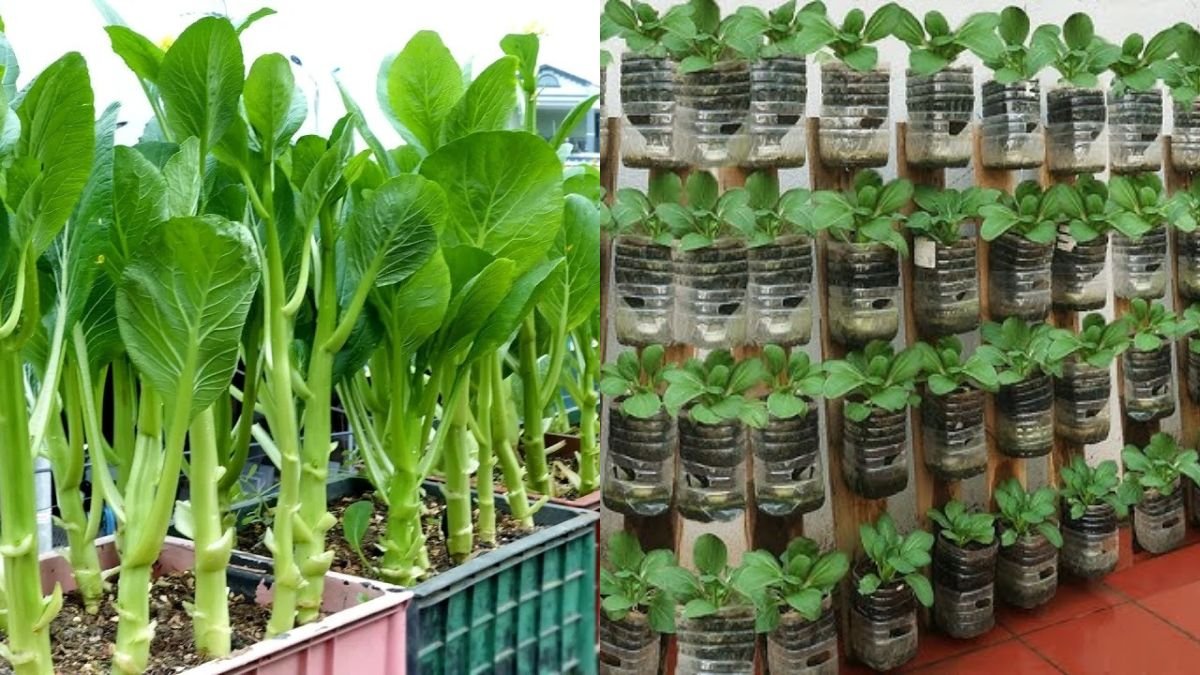
Why Low-Maintenance Gardening Works
Traditional gardening advice often assumes you’ll spend hours each week tending your plants. However, with the right approach, you can dramatically reduce time, effort, and costs while still enjoying a plentiful harvest.
Low-maintenance gardening focuses on:
- Choosing vegetables that grow quickly and reliably
- Using mulch and soil amendments to reduce watering and weeding
- Installing simple irrigation methods like drip hoses or soaker pipes
- Applying easy pest control techniques like companion planting
By focusing on efficiency and simplicity, you can create a garden that works for you rather than the other way around. (idealhome.co.uk)
Best Vegetables for Lazy Gardeners
Certain vegetables are naturally suited to low-effort, fast-reward gardening. Here are some of the easiest options:
1. Radishes — Almost Instant Gratification
Radishes are one of the fastest-growing vegetables, often ready to harvest in just 3–4 weeks. They tolerate a wide range of soil types and require very little attention once sown.
Tips:

- Sow seeds every few weeks for continuous harvests
- Keep soil lightly moist for faster germination
Radishes are perfect for beginners or gardeners who want quick results without much fuss. (myearthgarden.com)
2. Leafy Greens — Lettuce, Spinach, Kale
Leafy greens grow quickly and are “cut-and-come-again” crops, meaning you can harvest outer leaves continuously while the plant keeps producing.
Benefits:
- Quick harvests (3–6 weeks)
- Can be grown in containers or garden beds
- Minimal maintenance with frequent harvesting
Leafy greens are ideal for lazy gardeners who want a steady supply of fresh salad ingredients. (growgoodplants.com)
3. Green Beans — Minimal Work, High Yield
Green beans are easy to grow and adaptable to containers or garden beds. They also enrich the soil through nitrogen fixation, reducing the need for extra fertilizer.
Tips:
- Bush varieties require no support
- Pole varieties can climb a simple trellis for more yield
Green beans are perfect for a low-effort garden because they grow quickly and are generally pest-resistant. (jiyushe.com)
4. Bush Cucumbers & Bush Beans — Compact Choices
Bush varieties grow in a compact form and produce fruit without complex trellises or support systems. They are perfect for small garden spaces or container planting.
Tip: Plant several bush varieties together to maximize productivity in minimal space. (farmerflints.com)
5. Zucchini & Summer Squash — High-Yield, Low Maintenance
Zucchini plants are vigorous and can produce a large amount of fruit from just one or two plants. They require little feeding after establishment and thrive with minimal care.
Tip: Harvest frequently — picking regularly encourages even more fruit production. (farmerflints.com)
6. Potatoes — Easy and Cost-Effective
Potatoes are surprisingly easy to grow in the ground, raised beds, or containers. For lazy gardeners, they’re ideal because you can plant sprouted potatoes from the kitchen instead of buying seed potatoes.
Tips:
- Plant in loose, well-draining soil
- Cover with mulch to reduce watering needs
Growing your own potatoes saves money and requires minimal daily care. (reddit.com)
Lazy Gardener Techniques That Boost Productivity
Even “lazy” gardeners can increase harvests with a few smart tricks:
1. Mulching Saves Time
Covering soil with straw, wood chips, or shredded leaves helps retain moisture, reduce weeds, and keep soil cool, cutting down on watering and weeding. (simplenatureorganics.com)
2. Install Simple Irrigation
Drip irrigation or soaker hoses deliver water directly to plant roots, saving hours of manual watering and reducing water waste. (idealhome.co.uk)
3. Use Containers or Raised Beds
Containers and raised beds warm faster, drain better, and reduce weeds, making them perfect for gardeners who want minimal maintenance. (farmfromhome.com)
4. Companion Planting
Planting herbs like basil or marigolds alongside vegetables can naturally deter pests, reducing the need for chemical treatments. (simplenatureorganics.com)
5. Plant in Succession
Sow small batches of seeds every 2–3 weeks to ensure continuous harvests, reducing the need to plant everything at once. (idyl.co.in)
6. Choose Early-Maturing Varieties
Selecting fast-growing or early-maturing seed varieties ensures you harvest sooner, perfect for gardeners who want quick results with minimal effort. (farmingtips.org)
Real Savings and Productivity
Even a small low-maintenance garden can offset a significant portion of grocery bills. Growing fast-yield vegetables like lettuce, zucchini, beans, and radishes at home reduces trips to the store, saves money, and provides fresher, tastier produce.
Lazy gardeners who plan their beds carefully, use mulching, and plant the right crops often report continuous harvests with minimal daily effort, making gardening both satisfying and cost-effective. (reddit.com)
Recommended Resources
For more low-maintenance vegetable gardening tips, check these authoritative sources:
- Ideal Home – Low-Maintenance Vegetable Gardening: Practical advice on irrigation, mulch, and pest control. (idealhome.co.uk)
- My Earth Garden – Quick Growing Vegetables: Lists of vegetables with fast harvests and easy care. (myearthgarden.com)
- Grow Good Plants – Low Maintenance Vegetables: Guidance for beginners and busy gardeners. (growgoodplants.com)
- Farm From Home – Easy Container-Friendly Vegetables: Ideal for small-space, effortless gardening. (farmfromhome.com)
Final Thoughts
Gardening doesn’t have to be overwhelming. With the right vegetables, simple techniques, and minimal maintenance, even self-proclaimed “lazy gardeners” can enjoy fresh, homegrown produce. By combining fast-growing crops, mulching, simple irrigation, and succession planting, you can save money, reduce effort, and enjoy frequent harvests throughout the season.
Start small, choose the easiest crops, and watch your garden flourish — without turning your hobby into a chore. Fresh vegetables, less work, and real savings await!