Introduction
Gourds are among the most versatile and rewarding plants to grow in your garden. Belonging to the cucurbit family alongside squash, melons, and cucumbers, gourds include both edible varieties, such as bottle gourd (lauki), ridge gourd, and sponge gourd, and ornamental types, which are popular for crafts and décor.
Many gardeners underestimate how productive gourds can be. With the right approach, you can enjoy lush vines, plentiful fruit, and minimal care, making gourds ideal for both beginners and seasoned gardeners. This article outlines the [FOCUS KEYWORD] approach to achieving a prolific and healthy gourd harvest.
Choosing the Right Site and Soil
Full Sun for Maximum Growth
Gourds flourish in full sunlight, requiring at least 6–8 hours of direct sun daily. Adequate sunlight supports healthy vine growth, abundant flowering, and strong fruit set. Without sufficient sunlight, plants may grow leaves but produce fewer flowers and fruits. (homegarden.cahnr.uconn.edu)
Fertile, Well-Drained Soil
Gourds prefer fertile, loamy soil enriched with organic matter. Compost or well‑rotted manure improves fertility, moisture retention, and soil structure, which supports vigorous growth. Soil should drain well to prevent root rot, yet retain enough moisture to nourish young plants. A slightly acidic to neutral pH (6.0–7.0) is ideal.
Planting Gourds: Seeds and Spacing
Start with Quality Seeds
For optimal results, sow seeds directly in the garden after all frost risks have passed. In regions with shorter growing seasons, start seeds indoors 3–4 weeks prior to transplanting. Use seed trays or small pots with nutrient-rich soil to ensure strong seedlings.

A practical germination tip: place seeds between moist paper towels sprinkled with a little cinnamon to reduce mold, then transplant once the sprouts develop healthy roots and leaves. (agromoris.com)
Provide Adequate Spacing
Gourds are vigorous vines. Traditional planting recommends wide spacing, up to 10–20 feet between plants for ground-grown varieties. If using vertical supports, plants can be spaced closer, but still several feet apart to allow airflow and prevent competition. Proper spacing reduces the risk of disease and allows vines to reach maximum potential. (homegarden.cahnr.uconn.edu)
Support Your Vines: Trellis and Vertical Growing
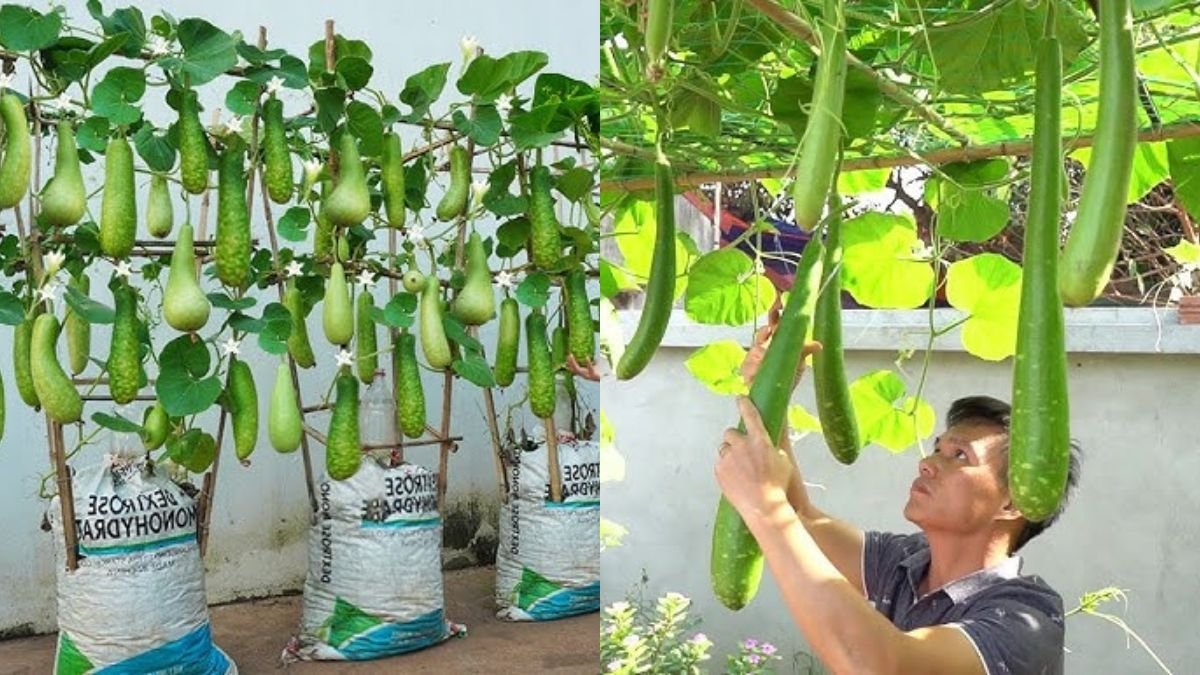
One of the smartest methods to boost fruit production is trellising. Gourds naturally climb with tendrils, and training them vertically provides several advantages:
- Keeps fruits off the soil, reducing rot
- Reduces pest and disease incidence
- Improves airflow around leaves and stems
- Simplifies harvesting and maintenance
Heavier gourds, such as bottle gourds, require sturdy trellises, while smaller varieties can thrive on mesh or lightweight frames. Vertical growing also maximizes garden space and encourages plants to focus energy on fruit development rather than sprawling. (homegarden.cahnr.uconn.edu)
Watering and Moisture Management
Gourds require consistent moisture, particularly during flowering and fruiting. Deep watering once or twice weekly is more effective than frequent shallow watering. This encourages deep root growth and prevents water stress, which can lead to misshapen or bitter fruits.
A layer of mulch around the base of the plant conserves soil moisture, reduces weeds, and maintains a more stable soil temperature. Proper moisture management is key to achieving abundant and high-quality fruits. (homegarden.cahnr.uconn.edu)
Fertilization for Robust Growth
Gourds are heavy feeders. Before planting, mix compost or well-rotted manure into the soil. Once vines are established, apply a balanced fertilizer to support flowering and fruit formation.
For edible gourds like bottle or ridge gourd:
- Early nitrogen supports vine growth
- Phosphorus and potassium encourage flowering and fruiting
Regular light fertilization every 3–4 weeks during the growing season ensures consistent energy for producing flowers and fruits, resulting in more abundant harvests.
Pollination: Ensuring Fruit Set
Gourds are monoecious, producing separate male and female flowers on the same vine. Female flowers will not develop into fruits without pollination.

While insects such as bees do most of the pollination naturally, gardeners can enhance fruit set with hand pollination:
- Transfer pollen from male to female flowers using a small brush
- Plant nectar-rich companion flowers to attract pollinators
Good pollination increases the number of fruits, prevents flower drop, and keeps vines productive throughout the season. (homegarden.cahnr.uconn.edu)
Seasonal Tips and Timing
Sowing time significantly affects productivity. In warmer regions, sow seeds in early summer to take advantage of soil warmth and optimal sunlight. In monsoon or wet seasons, sow after initial rains for natural soil moisture, which reduces the need for additional watering. Proper timing ensures quick germination, healthy vine growth, and maximum fruit set. (trsseeds.com)
Pest and Disease Management
Common pests include aphids, cucumber beetles, and leaf miners, while fungal diseases such as powdery mildew can also affect gourds. Simple preventive measures include:
- Mulching to retain soil moisture and reduce weeds
- Proper spacing for airflow to prevent fungal infections
- Weekly inspections for early signs of pests or disease
- Organic treatments like neem oil or soapy water sprays for pest management
Regular monitoring keeps vines healthy, reduces losses, and requires minimal effort. (slurrp.com)
Harvesting Gourds
Edible Gourds
Pick gourds like bottle, ridge, or sponge gourd while they are tender and young. Harvesting early encourages new flowering and continuous fruiting throughout the season.
Ornamental Gourds
For decorative or drying gourds, allow the fruits to mature fully on the vine until stems brown and skins harden.
Proper harvest technique: Use a sharp knife or scissors to cut fruits from vines, leaving a small stem attached to prevent rotting and prolong shelf life. (timesofindia.indiatimes.com)
Balcony or Urban Gardening
Even in limited space, gourds can thrive using containers:
- Choose deep pots with nutrient-rich soil
- Install vertical trellises or bamboo poles for climbing
- Maintain consistent watering
- Ensure 6–8 hours of sunlight daily
This approach makes gourds accessible for urban gardeners and small spaces.

Pro Tips for a Successful Gourd Harvest
- Amend soil with compost before planting
- Train vines early to prevent tangling
- Mulch to conserve moisture and suppress weeds
- Plant pollinator-friendly flowers nearby
- Monitor for pests and remove damaged leaves
These steps help produce healthy vines, abundant fruit, and visually appealing gourds with minimal maintenance.
Authoritative Sources
- UConn Home and Garden Education Center – Gourd Growing Basics (homegarden.cahnr.uconn.edu)
- Agromoris – Bottle Gourd Cultivation (agromoris.com)
- TRS Seeds – Best Time to Sow Gourds (trsseeds.com)
- Slurrp – Home Growing Tips for Spiny Gourd (slurrp.com)
Conclusion
With the smart methods outlined above, growing gourds can be simple, highly productive, and enjoyable. By focusing on sunlight, soil preparation, vertical support, pollination, proper watering, and harvesting, you can enjoy lots of beautiful and edible gourds with minimal effort.
The [FOCUS KEYWORD] strategy ensures abundant fruit, healthy vines, and low-maintenance cultivation — making gourds a perfect addition to any garden, balcony, or small urban space.