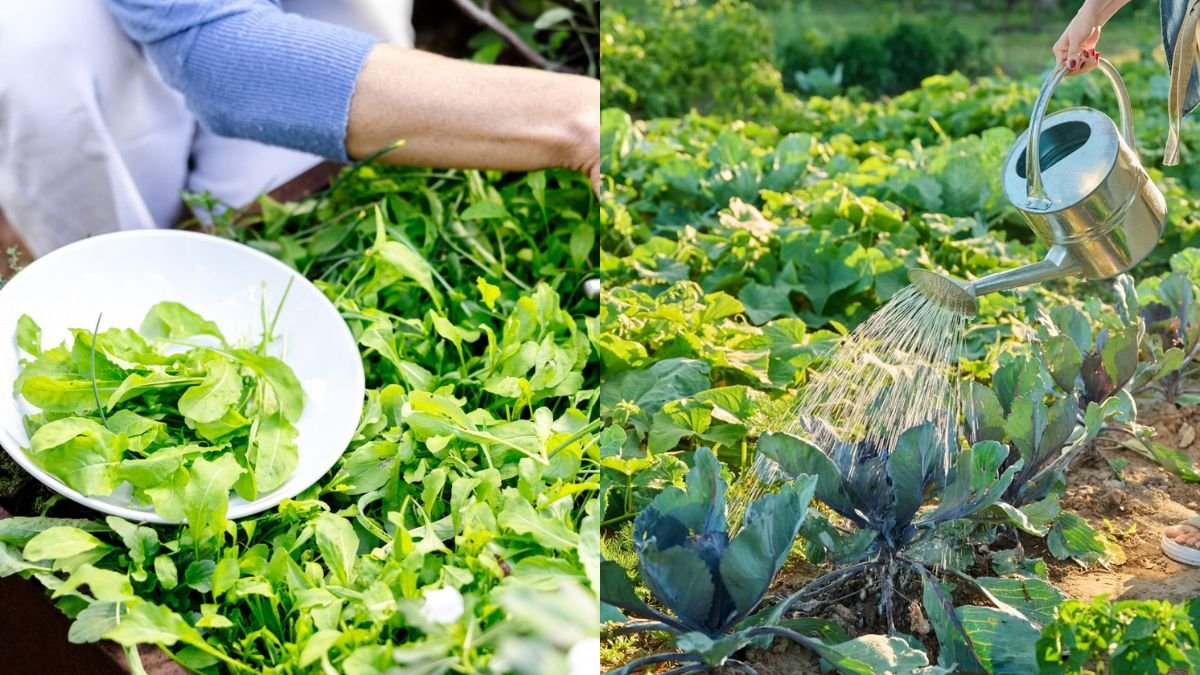
Why Low-Care, Minimal-Watering Gardening Matters
1. Climate Change and Water Scarcity
Unpredictable rainfall, heatwaves, and prolonged dry periods are increasing the need for water-efficient gardening. Plants that thrive with little water are not only convenient for gardeners but also environmentally responsible. By reducing irrigation, you conserve water — a critical resource for sustainable living. (almanac.com)
2. Time-Saving for Busy Gardeners
Many people want to grow their own vegetables but struggle with limited time. Low-care gardens minimize daily chores such as watering, weeding, and pruning. By choosing smart plant combinations and passive watering techniques, gardeners can enjoy fresh produce without dedicating hours each day. (bobvila.com)
3. Environmental and Cost Benefits
Low-maintenance vegetable gardens are also eco-friendly. Using drought-tolerant plants, mulching, and self-watering systems reduces water usage, cuts down on fertilizers, and lowers overall maintenance costs. This approach aligns with sustainable gardening practices and helps create resilient home gardens. (ucanr.edu)
What Is “No Watering Needed” Gardening?
While no plant can survive completely without water, no-watering gardening refers to strategies that minimize irrigation while ensuring healthy growth. This is achieved by:
- Selecting drought-tolerant vegetables
- Improving soil moisture retention
- Using mulch, shade, and passive watering systems
- Grouping plants by water needs (hydrozoning)
- Promoting deep-root growth for self-sufficient plants
By combining these methods, you can build a garden that thrives with minimal effort, producing delicious vegetables without constant attention.

13 Super Easy Tips for No-Watering, Low-Care Vegetable Gardens
1. Choose Drought-Tolerant Vegetables
Certain vegetables naturally thrive with minimal water once established. These include:
- Peppers
- Eggplants
- Okra
- Cowpeas/Tepary beans
These plants are resilient, produce good yields, and reduce the need for frequent watering. (dakoa.com)
2. Use Mulch to Retain Soil Moisture
A thick layer of organic mulch — straw, leaves, or wood chips — slows evaporation, keeping the soil moist for longer. Mulching also suppresses weeds and regulates soil temperature. (idealhome.co.uk)
3. Group Plants by Water Needs (Hydrozoning)
Hydrozoning involves planting crops with similar water requirements together. This ensures water efficiency, as thirsty plants receive targeted irrigation while drought-tolerant species aren’t overwatered. (en.wikipedia.org)
4. Build Wicking Beds or Passive Water Systems
Wicking beds allow water stored below the soil to move upward to plant roots. This reduces surface watering by up to 80%, making your garden low-maintenance and highly efficient. (wickwellgardens.com.au)

5. Improve Soil With Organic Matter
Adding compost or well-rotted manure enhances soil structure, increasing water retention and nutrient availability. Healthy soil holds moisture longer, allowing plants to survive dry spells with minimal intervention. (rhs.org.uk)
6. Deep, Infrequent Watering Encourages Tough Roots
Instead of watering daily, give your plants a deep soak once a week. This promotes deep root growth, helping plants access water stored deeper in the soil and reducing overall irrigation needs. (natorp.com)
7. Use Larger or Water-Retentive Containers
Containers with more volume hold water longer than small, shallow pots. Using water-retentive or self-watering pots reduces the frequency of watering, especially in hot climates. (blackgold.bz)
8. Apply Shade and Protective Covers
Shade nets or lightweight covers protect plants and soil from intense sun, reducing evaporation and conserving moisture. This simple addition helps keep plants hydrated longer, even during dry spells. (blackgold.bz)
9. Use Keyhole or Raised Beds
Keyhole gardens are circular raised beds with central composting cores. They trap moisture efficiently and reduce water requirements, making them ideal for low-maintenance, high-yield vegetable growing. (en.wikipedia.org)

10. Incorporate Self-Watering Techniques
DIY self-watering systems like olla pots, drip irrigation, or sub-irrigated planters deliver water directly to plant roots, minimizing waste and reducing the need for frequent watering. (haxnicks.co.uk)
11. Avoid Overcrowding Plants
Planting too densely increases competition for water and nutrients. By spacing crops appropriately, you reduce water stress and improve air circulation, leading to healthier, low-care plants. (blackgold.bz)
12. Harvest Regularly
Prompt harvesting reduces stress on plants and helps conserve soil moisture. Removing mature crops also encourages continued production and maintains overall garden health. (almanac.com)
13. Check Soil Moisture Before Watering
Rather than watering on a schedule, monitor soil moisture by touch. Only water when necessary, reducing unnecessary irrigation and making your garden more sustainable. (natorp.com)
Vegetables Best Suited for Low-Water Gardens
For gardens designed to thrive with minimal care, choose vegetables known for drought resistance:

- Peppers – resilient and flavorful
- Eggplants – heat-loving and low-maintenance
- Okra – thrives in dry, hot climates
- Cowpeas / Tepary Beans – highly drought-tolerant and nutritious
These plants are perfect for gardeners seeking quick, low-effort vegetable growth while conserving water.
Authoritative Sources
- Royal Horticultural Society (RHS) – Drought-resistant gardening and soil tips. (rhs.org.uk)
- Wikipedia – Kratky Method – Passive hydroponics technique requiring minimal care. (en.wikipedia.org)
- Black Gold Gardening – Water-saving strategies, mulching, and soil management. (blackgold.bz)
Conclusion: Achieve Quick, Low-Care Gardening Success
No-watering or minimal-care vegetable gardening is achievable with smart plant selection, soil management, mulch, and passive watering techniques. By following these 13 tips, you can grow a productive garden that thrives with little effort and minimal water.
Whether your goal is sustainability, convenience, or just enjoying fresh produce with minimal work, these strategies make vegetable gardening easy, rewarding, and fast. With planning and patience, a low-maintenance garden can flourish, giving you quick harvests and delicious vegetables with minimal hassle.
Start your low-care garden today — minimal watering, minimal effort, maximum results!
