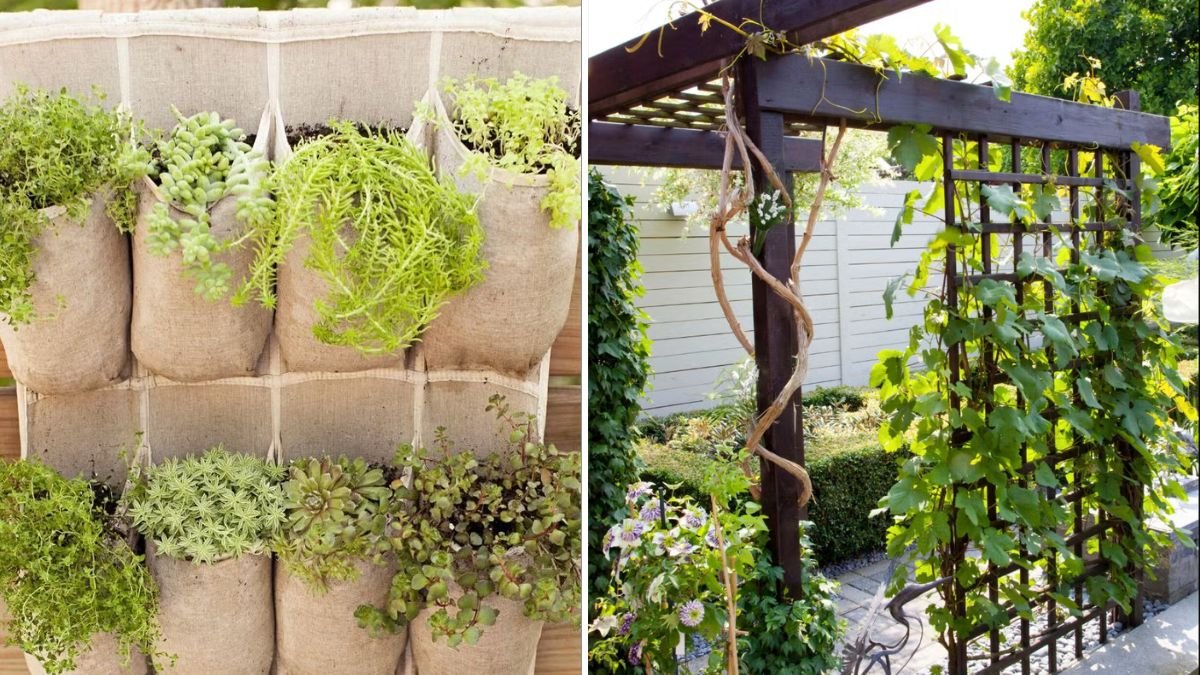
Vertical gardening is a smart solution for modern homes with limited space. It allows plants to grow upward instead of spreading horizontally. This method is perfect for balconies, terraces, small yards, and even indoor spaces. Vertical gardens improve air quality and add natural beauty. They also make gardening accessible to urban dwellers. With proper planning, vertical gardens can produce vegetables, herbs, and flowers. They are visually appealing and functional. Vertical gardening saves space while increasing productivity. This guide explains everything step by step. Anyone can create a vertical garden easily.
1. Understanding Vertical Gardening
Vertical gardening involves growing plants on walls, frames, or stacked structures. It uses vertical space efficiently. Plants grow in pockets, shelves, or hanging containers. This technique mimics nature, where plants climb and spread vertically. Vertical gardens reduce ground clutter. They are ideal for urban environments. Proper structure ensures plant stability. Vertical gardening encourages creativity. It is both decorative and productive.
2. Benefits of Vertical Gardening
Vertical gardening maximizes limited space. It improves airflow and reduces pests. Plants receive better sunlight exposure. Harvesting becomes easier and cleaner. Vertical gardens reduce soil erosion. They enhance home aesthetics. Gardening becomes accessible for elderly gardeners. Less bending reduces physical strain. Vertical gardens promote sustainability.
3. Choosing the Right Location
Location determines vertical garden success. Choose areas with adequate sunlight. Walls, balconies, or fences work well. Avoid areas with strong winds. Indoor vertical gardens need bright light. Proper drainage is essential. Easy access simplifies maintenance. Location affects plant choice. Good placement ensures healthy growth.

4. Types of Vertical Garden Structures
Vertical gardens use various structures. Wall-mounted planters are popular. Hanging pockets save space. Trellises support climbing plants. Wooden pallets can be recycled creatively. Metal frames offer durability. Shelving units allow modular planting. Choose structures based on weight capacity. Safety is important.
5. Best Plants for Vertical Gardens
Leafy greens thrive in vertical gardens. Herbs like mint and basil grow well. Strawberries are ideal for hanging planters. Flowering plants add beauty. Avoid deep-rooted plants. Choose lightweight plants. Mix edible and decorative plants. Plant selection affects maintenance. Proper choice ensures success.
6. Soil and Growing Medium
Lightweight soil is best for vertical gardens. Coco peat mixed with compost works well. Avoid heavy garden soil. Proper drainage prevents root rot. Nutrient-rich medium supports growth. Replace soil periodically. Healthy roots need oxygen. Good soil equals healthy plants.
7. Watering Vertical Gardens
Vertical gardens dry faster than ground gardens. Drip irrigation works best. Hand watering should be consistent. Avoid water dripping excessively. Water evenly across levels. Morning watering is ideal. Mulch helps retain moisture. Balanced watering prevents stress.

8. Fertilizing Vertical Gardens
Plants need regular feeding in vertical setups. Organic liquid fertilizers are ideal. Compost tea provides nutrients. Avoid overfeeding. Feed every two weeks. Nutrients wash out faster vertically. Balanced feeding maintains growth. Healthy plants look vibrant.
9. Managing Sunlight Exposure
Upper plants receive more sunlight. Rotate plants occasionally. Choose sun-loving plants for top levels. Shade-tolerant plants suit lower levels. Balance ensures uniform growth. Observe plant response. Adjust placement as needed. Light management is essential.
10. Pest and Disease Control
Vertical gardens have fewer pests. Regular inspection prevents issues. Neem oil works effectively. Remove affected leaves promptly. Good airflow reduces disease. Avoid overcrowding. Healthy plants resist pests. Prevention saves effort.
11. Vertical Gardening Indoors
Indoor vertical gardens enhance interiors. Use grow lights if sunlight is limited. Choose low-light plants. Control humidity levels. Avoid water damage to walls. Indoor gardens improve air quality. Maintenance is minimal. Green walls boost mood.

12. Vertical Gardening on Balconies
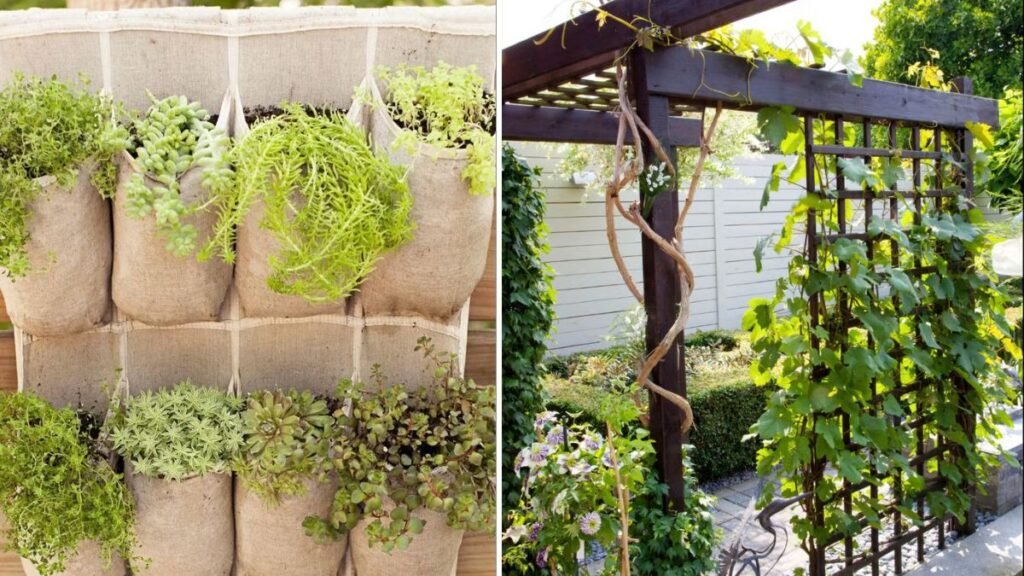
Balconies are ideal for vertical gardens. Use rail-mounted planters. Ensure weight safety. Choose wind-resistant plants. Regular watering is essential. Balcony gardens increase privacy. They maximize unused space. Urban living becomes greener.
13. Growing Vegetables Vertically
Vegetables grow well vertically with support. Tomatoes, beans, and cucumbers climb easily. Leafy greens suit pocket planters. Vertical vegetables are cleaner. Harvesting is easier. Yield increases per square foot. Vertical vegetable gardens are productive.
14. Vertical Herb Gardens
Herbs thrive in vertical setups. Easy access improves usage. Herbs require minimal space. Regular harvesting promotes growth. Vertical herb gardens smell wonderful. Kitchen gardens become practical. Fresh herbs are always available. Maintenance is easy.
15. Vertical Flower Gardens
Flowers add color and beauty. Choose trailing varieties. Flowers attract pollinators. Seasonal changes keep gardens fresh. Vertical flower walls enhance aesthetics. Combine colors creatively. Beauty meets functionality. Visual appeal increases.

16. Recycling Materials for Vertical Gardens
Reuse bottles, crates, or pallets. Recycling reduces cost. Creativity adds uniqueness. Ensure safety and durability. Eco-friendly gardening is rewarding. DIY projects enhance skills. Sustainable gardening benefits the planet.
17. Maintenance Tips
Regular pruning keeps plants healthy. Remove dead leaves. Check water systems. Replace weak plants. Clean structures periodically. Maintenance prevents problems. Consistency ensures success. Care keeps gardens beautiful.
18. Common Vertical Gardening Mistakes
Overloading structures is risky. Poor drainage causes root rot. Ignoring sunlight leads to weak plants. Inconsistent watering causes stress. Choosing wrong plants increases effort. Learning improves results. Mistakes are part of growth.
19. Cost and Budget Planning
Vertical gardens can be affordable. DIY reduces expenses. Start small and expand gradually. Invest in quality materials. Budget planning prevents waste. Gardening can be economical. Smart planning saves money.

20. Final Thoughts on Vertical Gardening
Vertical gardening transforms small spaces into green havens. It combines beauty and productivity. Anyone can start with simple tools. Creativity makes each garden unique. Vertical gardens promote sustainable living. Growing upward changes perspectives. Green spaces improve life quality. Start your vertical garden today.
Table: Vertical Gardening Overview
| Aspect | Recommendation | Benefit |
|---|---|---|
| Structure | Wall or hanging | Space saving |
| Plants | Herbs and greens | Easy growth |
| Water | Drip irrigation | Efficiency |
| Soil | Lightweight mix | Root health |
| Location | Sunny area | Better yield |