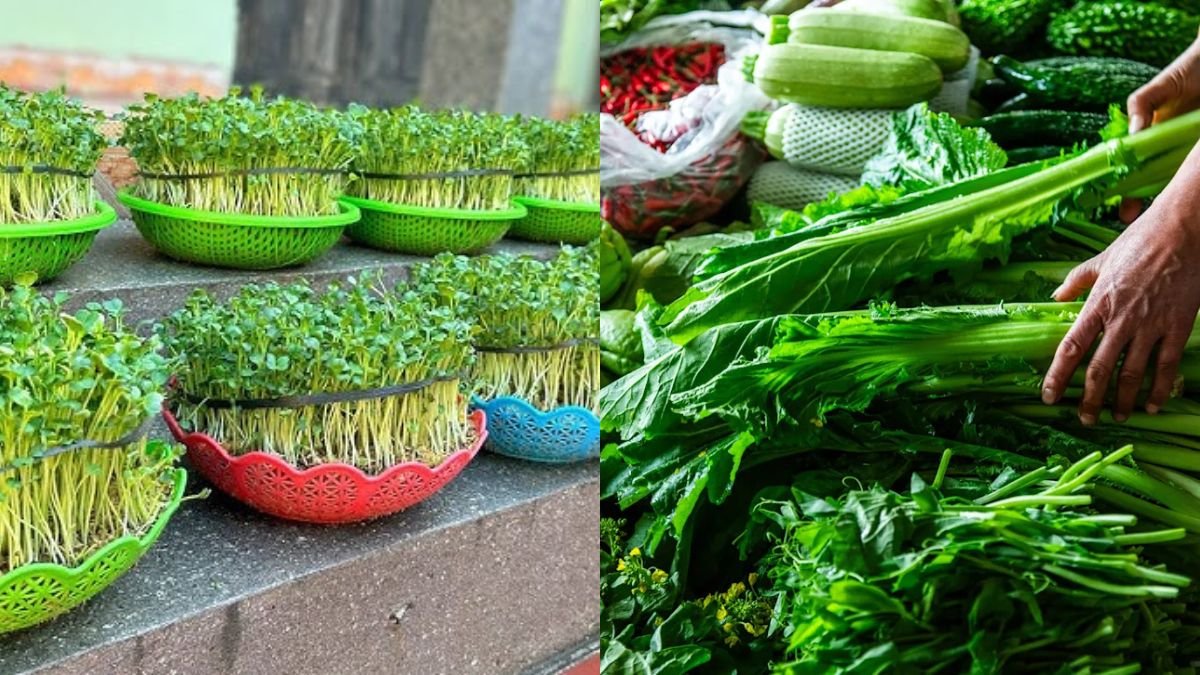
Imagine this: you plant a vegetable today, and in just five days, you’re harvesting your first fresh greens. Sounds too good to be true? Not anymore. Thanks to fast-growing vegetables, microgreens, and sprouts, it’s possible to grow and harvest vegetables quickly — perfect for small spaces, busy lifestyles, or anyone eager to enjoy fresh, nutrient-rich food without waiting months.
Microgreens, sprouts, and some baby salad greens are ideal for this, requiring minimal space, simple care, and offering high nutritional value. In this guide, we’ll cover the fastest-growing vegetables, how to grow them, and tips for harvesting delicious greens in just days. (trustbasket.com)
Why Fast-Growing Vegetables Are Game-Changers
Fast-growing vegetables are not only convenient, but they also help home gardeners:
- Save time compared to traditional crops like tomatoes or cucumbers
- Have a continuous supply of fresh greens while slower crops mature
- Reduce grocery expenses by providing high-value produce at home
- Grow nutritious, chemical-free food indoors or in small spaces
During winter or off-season months, these quick harvests are particularly useful. Microgreens and sprouts thrive in indoor trays, jars, or small containers, allowing year-round fresh vegetables even when outdoor gardening is limited. (vindy.com)
Fastest Vegetables You Can Harvest in Days
1. Microgreens – Tiny but Mighty
Microgreens are young vegetable greens harvested just after the first true leaves appear, typically within 5–12 days of planting. These include mustard, kale, spinach, radish, wheatgrass, and beet.

- Wheatgrass: Ready in 5–7 days
- Mustard microgreens: 7–8 days
- Radish microgreens: 8–10 days
- Spinach and beet microgreens: 10–12 days (trustbasket.com)
Microgreens are nutrient powerhouses — often containing 4–6 times more vitamins and antioxidants than mature vegetables. They’re perfect for salads, sandwiches, smoothies, and garnishes.
Harvest tip: Use clean scissors to cut microgreens just above the soil line when they reach 1–2 inches tall. Consume fresh within a few days for best flavor.
2. Cress – The 5-Day Wonder
Cress is among the fastest growing microgreens, ready to harvest in as little as 5–7 days. Its peppery flavor enhances salads, sandwiches, and soups. Cress can be grown on soil or even damp paper towels indoors, making it ideal for kitchens and apartments. (tinygardenhabit.com)
Its speed, combined with ease of growth, makes cress a favorite for gardeners looking for instant results.
3. Sprouts – Super-Fast Indoor Crops
Sprouts like mung beans, alfalfa, peas, and lentils can be ready to eat in 5–9 days. All they require is water, seeds, and a jar or sprouting tray.

- Mung bean sprouts: 5–9 days
- Alfalfa sprouts: 7–9 days
- Pea shoots: 7–9 days
- Lentil sprouts: 5–7 days (reddit.com)
Sprouts are crunchy, nutritious, and versatile — perfect for sandwiches, salads, and stir-fries. Their quick turnaround makes them a staple for year-round home gardening.
4. Baby Greens and Salad Leaves
Some baby greens grow slightly slower than sprouts or microgreens, but they still produce edible leaves in just 14–30 days:
- Baby lettuce and salad greens: 14–21 days
- Spinach leaves: 20–30 days
- Fenugreek (methi): 20–25 days (almanac.com)
These are excellent for those who want larger leaves for salads and cooking but still want fast-growing crops.
How to Grow Fast Vegetables Successfully
Choose the Right Containers
Microgreens, sprouts, and baby greens grow well in shallow trays, seedling containers, or recycled containers. Sprouts can even grow in jars with mesh lids. Drainage and air circulation are key to preventing mold and promoting fast growth.
Maintain Consistent Moisture
Keep soil or sprouting medium consistently moist, but avoid waterlogging. Excess moisture can lead to mold or root rot. A light misting a few times a day is usually sufficient for microgreens and baby greens. (trustbasket.com)

Provide Adequate Light
Even indoor fast-growing vegetables need light to photosynthesize. Microgreens benefit from 3–6 hours of direct or artificial light daily. Adequate light ensures fast, strong growth and vibrant leaves.
Harvest at the Right Time
- Microgreens: Harvest when 1–2 inches tall
- Sprouts: Harvest when shoots are tender and reach desired length
- Baby greens: Cut leaves when large enough for salads or dishes
Correct harvesting ensures maximum flavor, nutrition, and continued growth if the plant allows it.
Why Quick-Harvest Vegetables Are Trending
Indoor and container gardening trends have skyrocketed, especially for microgreens and sprouts, because they:
- Offer instant nutrition
- Require minimal space and resources
- Can grow year-round, independent of outdoor weather
- Support sustainable, chemical-free food production
These vegetables are not just convenient; they’re also highly nutrient-dense, which appeals to health-conscious gardeners and busy families alike. (vindy.com)
Even mainstream gardening sources now emphasize quick-growing crops as an essential part of small-space and urban gardens. They’re perfect for building a continuous supply of fresh vegetables while larger crops mature in the background. (almanac.com)
Common Mistakes to Avoid
- Overcrowding seeds or seedlings: Limits growth and increases disease risk.
- Overwatering or underwatering: Can stunt growth or cause mold.
- Insufficient light: Leads to weak, spindly greens.
- Late harvesting: Leaves may become bitter or tough if left too long.
- Poor sanitation: Dirty trays or jars can harbor bacteria or fungi.
Following these guidelines ensures fast, healthy growth and abundant harvests.
Suggested Authoritative Sources
For more information and expert guidance:
- The Old Farmer’s Almanac – Fast-Growing Vegetables: Tips for home gardens. (almanac.com)
- TrustBasket: How to Grow Microgreens at Home: Step-by-step instructions for beginners. (trustbasket.com)
- Pure Greens Container Farms: Best varieties and nutritional info for microgreens. (puregreensaz.com)
- Times of India – Vegetables That Take the Least Time to Grow: Quick-growing vegetables and tips. (timesofindia.indiatimes.com)
These sources are excellent references for beginners and experienced gardeners who want fast, productive, nutrient-rich vegetable crops.
Conclusion
Did you know it’s possible to grow and harvest vegetables in as little as 5 days? Microgreens, sprouts, and fast-growing salad greens bring fresh, nutritious food to your table almost instantly. They’re perfect for anyone with limited space, time, or outdoor growing options.
Start with quick growers like wheatgrass, mustard microgreens, cress, and mung bean sprouts. Expand into baby greens and other fast-growing crops for a continuous supply of fresh vegetables.

Fast-harvest vegetables aren’t just a convenience — they’re a revolution in home gardening, connecting you directly to your food, improving nutrition, and making gardening satisfying and accessible for everyone.