Introduction
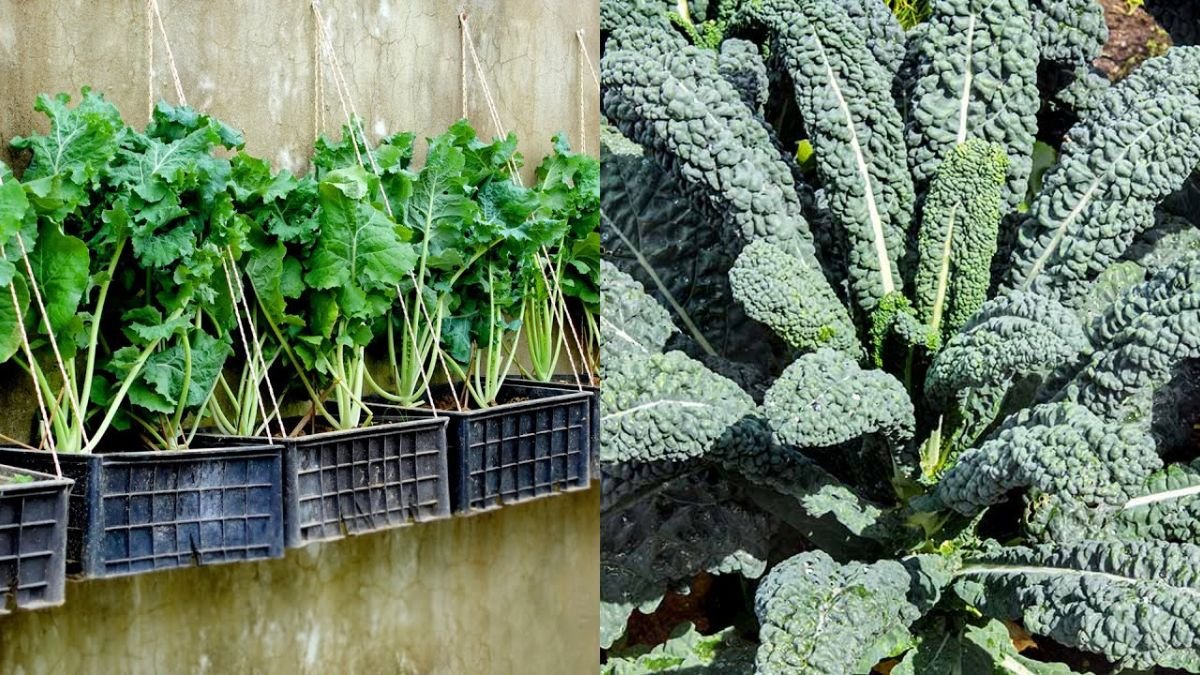
Imagine a garden where kale produces fresh, crisp leaves year-round, without the need to replant season after season. Kale is one of the easiest leafy greens to grow, and with the right care, it can continue producing for months — even in cooler climates where many vegetables struggle. Unlike annual crops that die after a single harvest, kale’s hardy, regenerative growth pattern allows you to plant once and eat all year, making it a top choice for home gardeners seeking sustainable, delicious greens.
In this guide, we’ll uncover the secrets to caring for kale, including optimal planting strategies, watering and fertilization tips, harvest methods, seasonal adjustments, and common troubleshooting. By the end, you’ll know how to maintain a steady supply of crispy, flavorful kale with minimal effort.
Why Kale Is Special
Kale (Brassica oleracea) belongs to the brassica family, which also includes cabbage, broccoli, and collard greens. Its nutrient density, cold tolerance, and hardy growth make it a garden superstar. Unlike more delicate leafy greens, kale can withstand light frost and still produce tender leaves. This trait allows gardeners to enjoy harvests well into fall and even winter, depending on their climate.
A key reason kale can provide year-round harvests is its cut-and-come-again nature. By harvesting only the larger outer leaves and leaving the central growing point intact, you encourage continuous production. This approach ensures that your plant keeps regenerating fresh leaves without the need to replant.

Ideal Planting Conditions
To achieve continuous growth and maximize flavor, kale requires proper planting conditions:
- Sunlight: Kale thrives in full sun but can tolerate partial shade, especially in hotter climates.
- Soil: Fertile, well-draining soil enriched with compost or organic matter promotes vigorous growth.
- Temperature: Kale prefers cooler temperatures, ideally between 15–25°C, and can survive light frosts, which often enhance its flavor.
For early spring or late summer planting, sow seeds ¼–½ inch deep and thin seedlings to allow 10–15 cm of space between plants. Proper spacing ensures airflow, reduces competition, and helps prevent disease. (Almanac.com)
Watering and Soil Care
Kale requires consistent moisture to produce tender, crispy leaves. Deep watering 1–1.5 inches per week is recommended, either by hand or using a drip irrigation system to avoid wetting leaves, which can lead to disease. Mulching around the base retains moisture, keeps soil temperature stable, and suppresses weeds.
Organic fertilizers or compost can boost leaf production and overall plant health. Kale particularly benefits from nitrogen-rich nutrients to encourage leafy growth, while regular compost top-ups help maintain soil fertility over extended harvests. (Dripworks.com)

The Secret to Continuous Harvest
The most important secret to planting kale once and eating all year is how you harvest:
- Cut outer leaves first: Remove the largest, outer leaves while leaving the inner crown intact.
- Avoid stripping the plant: Taking too many leaves at once stresses the plant and reduces regrowth.
- Harvest regularly: Frequent picking encourages new growth and prevents leaves from becoming tough or bitter.
By following this cut-and-come-again method, gardeners can maintain a steady supply of fresh kale leaves for months, sometimes even throughout the winter with protection like row covers or frost cloths. (HarvesttoTable.com)
Seasonal Care Tips
Cold Weather
Light frosts improve kale flavor, converting starches to sugars and making the leaves sweeter. In cold climates, extend harvests by using row covers, cold frames, or frost cloths to protect plants from freezing temperatures.
Warm Weather
Heat can cause kale to bolt (flower prematurely) or produce bitter leaves. To prevent this:

- Provide afternoon shade in hot conditions.
- Maintain consistent soil moisture.
- Harvest frequently to reduce stress and encourage new leaf production. (GrowCycle.com)
Choosing the Right Varieties
Some kale varieties are better suited for extended harvests and cooler climates:
- Winterbor: Frost hardy and slow to bolt.
- Red Russian: Mild flavor, cold tolerant, and fast-growing.
- Lacinato (Dinosaur Kale): Excellent texture, ideal for continuous harvests.
Planting a mix of varieties adds flavor diversity and helps ensure year-round production. (HarvesttoTable.com)
Fertilization for Maximum Yield
Kale is a heavy feeder, so regular soil amendments are important:
- Apply compost or well-rotted manure every few weeks.
- Consider a balanced organic fertilizer for long-term vigor.
- Avoid over-fertilizing, which can produce excessive leaf growth with reduced flavor. (PlanetNatural.com)
Maintaining fertile soil supports continuous growth, ensuring each harvest is crisp, tender, and flavorful.

Troubleshooting Common Problems
Even though kale is hardy, gardeners may encounter minor issues:
- Pests: Aphids, cabbage worms, and caterpillars are the most common. Remove pests by hand or use organic solutions like neem oil.
- Bolting: Occurs in hot weather. Provide shade and consistent water to slow flowering.
- Yellowing leaves: Typically a sign of nutrient deficiency; amend soil with compost or fertilizer. (HarvesttoTable.com)
Regular monitoring, proper care, and good spacing help prevent most issues.
Nutritional Benefits of Kale
Kale is a nutritional powerhouse:
- Vitamins A and C: Boost immunity and promote healthy vision.
- Iron and calcium: Support bone strength and energy levels.
- Dietary fiber: Aids digestion.
- Antioxidants: Protect against inflammation and oxidative stress.
Freshly harvested kale is more nutritious than store-bought varieties, making homegrown kale a healthy and cost-effective choice.

Why This Method Works
Kale’s biennial nature allows it to grow leaves for multiple seasons. Even when treated as an annual in colder regions, the cut-and-come-again harvesting method ensures multiple harvest cycles from a single planting. Frost tolerance and adaptability make kale an ideal crop for year-round production with minimal effort. (HomeAndGardens.com)
Authoritative Sources to Reference
- 🌿 GrowCycle – Kale Growing Guide (growcycle.com)
- 🌱 The Old Farmer’s Almanac – Kale Planting & Care (almanac.com)
- 🥬 Harvest to Table – Extending Kale Harvest Season (harvesttotable.com)
- 📺 YouTube – Kale All Year Round Tips (youtube.com)
Conclusion
Caring for kale so you can plant once and eat all year is not difficult — it just requires the right approach. By planting in fertile soil, maintaining consistent water and nutrients, choosing the right varieties, and using cut-and-come-again harvesting, kale can provide fresh, crispy leaves for months on end.
Whether you’re a beginner or an experienced gardener, these techniques allow you to enjoy continuous, delicious, homegrown kale without the hassle of replanting every season. With a little attention and care, a single kale planting can supply your kitchen with a nutritious, flavorful harvest all year long.