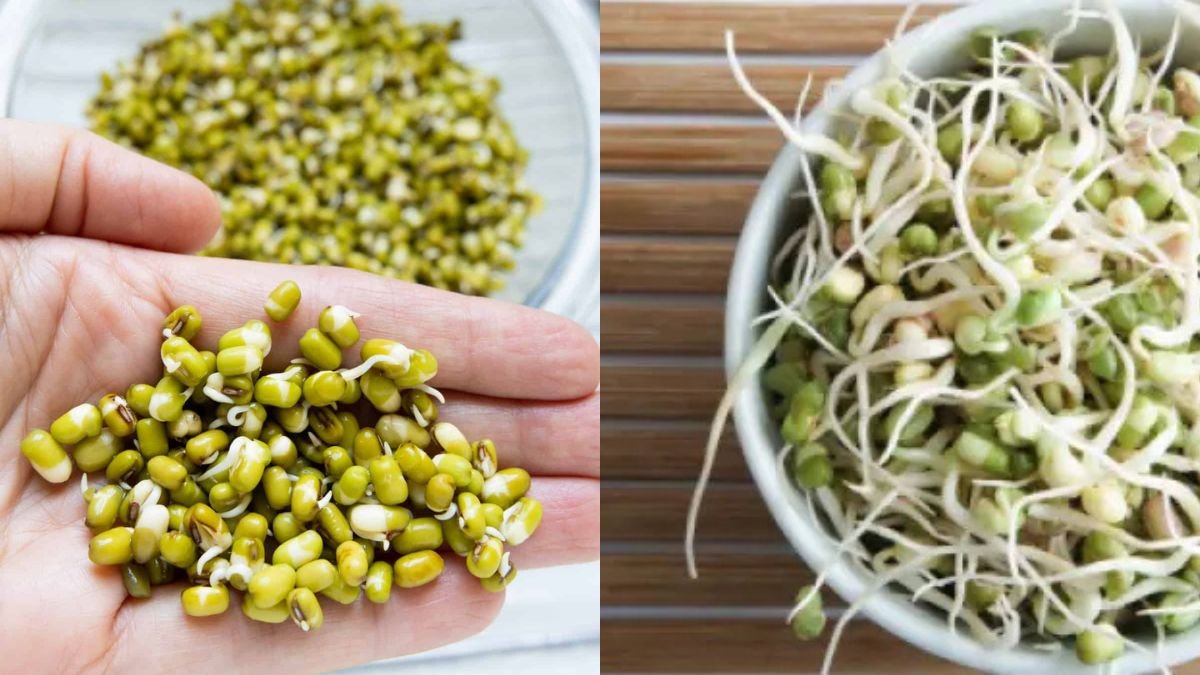
Why Sprouting Peanuts Is Gaining Attention
1. Nutritional Advantages
Sprouts are young plants that germinate from seeds, beans, or legumes. During germination, seeds undergo biochemical changes that increase their nutrient availability and reduce antinutrients, which are compounds that can limit nutrient absorption. Peanut sprouts, in particular, are high in protein, vitamins, and antioxidants such as resveratrol, which has been linked to heart health and anti-inflammatory benefits. (healthline.com)
2. Unique Flavor and Texture
Unlike traditional mung bean or soybean sprouts, peanut sprouts have a slightly sweet, nutty flavor and a firm texture. This makes them versatile for cooking and adds a new dimension to dishes. Many first-time sprouters are surprised at how delicious they taste compared to ordinary bean sprouts.
3. Sustainable and Cost-Effective
Sprouting peanuts at home requires minimal equipment: just raw peanuts, water, and a jar. This makes it a low-cost, sustainable way to add nutrient-rich food to your diet. It’s an excellent solution for small urban kitchens or home gardeners looking to experiment without investing in expensive growing systems.
Understanding Peanut Sprouts
What Are Peanut Sprouts?
Peanut sprouts are simply peanuts that have germinated. Unlike roasted peanuts, raw peanuts contain the necessary enzymes to sprout when exposed to water and proper conditions. Once sprouted, the peanuts develop tiny white roots and shoots that are edible and nutritious.

Sprouted peanuts have higher digestibility and improved nutrient availability. During the sprouting process, complex proteins and starches are broken down into simpler, more digestible forms, while vitamins and minerals become more bioavailable. (biologyinsights.com)
Step-by-Step Guide: How to Sprout Peanuts at Home
1. Select Raw Peanuts
Choose whole, raw, unroasted peanuts with their skins intact. Avoid roasted or processed peanuts, as these will not germinate.
2. Soak Overnight
Place the peanuts in a clean jar or bowl and cover with cool water. Soak them for 8–12 hours. Soaking softens the seed coat and initiates the germination process.
3. Drain and Rinse
After soaking, drain the water and rinse the peanuts thoroughly. Repeat this process twice daily to prevent mold and ensure proper moisture for germination.

4. Provide Proper Conditions
Cover the jar with a breathable cloth or mesh to allow airflow while keeping insects out. Store the jar in a cool, dark place away from direct sunlight. Room temperature is ideal.
5. Watch the Sprouts Grow
Within 2–5 days, tiny white roots will emerge, signaling successful sprouting. The sprouts are typically ready to harvest when they reach 1–2 cm in length, but you can let them grow longer if preferred.
6. Harvest and Store
Rinse the sprouts thoroughly and drain well. Store them in the refrigerator and consume within 3–4 days for maximum freshness. (youtube.com)
The Unexpected Benefits of Peanut Sprouts
Enhanced Nutrition
Sprouting peanuts increases vitamin content, including folate, niacin, and vitamin C. It also reduces antinutrients like phytic acid, making minerals such as iron, zinc, and calcium more absorbable. Enzymes activated during germination enhance protein digestibility and aid in overall digestion.

Antioxidants and Heart Health
Peanut sprouts contain resveratrol, a powerful antioxidant. Resveratrol is known for supporting cardiovascular health, reducing inflammation, and potentially protecting against age-related diseases. These benefits make peanut sprouts a functional food as well as a tasty ingredient. (baonghean.vn)
Flavor and Culinary Uses
The slightly nutty flavor of peanut sprouts adds a unique touch to dishes. They can be used raw in salads, stir-fried with vegetables, or as crunchy toppings for soups and sandwiches. Their versatility makes them an exciting alternative to standard bean sprouts.
Surprising Growth Patterns
First-time sprouters are often surprised at how peanut sprouts grow differently than other legumes. The sprouts can appear thicker or slower initially, but with proper rinsing and care, they develop healthy shoots ready for harvest. Many users report a gratifying sense of accomplishment when they see the first white tails emerge from the peanuts.
Culinary Tips for Enjoying Peanut Sprouts
- Raw in Salads: Add for a crunchy, nutty texture.
- Stir-Fries: Sauté lightly with garlic, soy sauce, and vegetables.
- Garnishes: Top noodles, soups, or grain bowls.
- Wraps and Sandwiches: Add a fresh, crunchy element to your meals.
Sprouts pair well with both Asian and Western recipes, providing nutrition without overpowering other flavors.

Safety and Hygiene Tips
While sprouting peanuts is safe, sprouts are susceptible to bacterial growth if not handled properly:
- Wash hands, jars, and utensils thoroughly.
- Use food-grade raw peanuts.
- Rinse sprouts twice daily to prevent mold.
- Store in the refrigerator and consume promptly.
Discard any sprouts with unusual odor, sliminess, or mold to avoid health risks. (webmd.com)
Expert Insights and Authoritative Sources
Nutrition & Sprouting Science
- Healthline: Covers nutritional value and benefits of bean sprouts. (healthline.com)
- WebMD: Discusses digestive and heart health benefits of sprouts. (webmd.com)
Peanut Sprout Guides
- Biology Insights: Offers detailed instructions for sprouting peanuts and highlights unique properties of peanut sprouts. (biologyinsights.com)
News-Level Context
- Articles highlighting sprouted foods and nutrient bioavailability, emphasizing peanut sprouts as an innovative home experiment. (timesofindia.indiatimes.com)
These sources validate peanut sprouting as both a safe and nutritious home-growing practice.
Conclusion: Embrace the Unexpected with Peanut Sprouts
Sprouting peanuts at home is more than a simple culinary experiment. It’s a way to explore new flavors, unlock unexpected nutritional benefits, and engage in a sustainable, low-cost gardening activity. First-time sprouters often find the results surprising — thicker shoots, unique nutty flavors, and enhanced nutrient content — making peanut sprouts a delightful addition to any kitchen.

With minimal equipment and a few days of care, anyone can turn raw peanuts into a delicious, high-nutrient sprout ready for meals. Whether you’re a health-conscious eater, a home gardener, or simply curious about food experiments, peanut sprouting is an easy, rewarding way to explore the world of sprouts.