Introduction
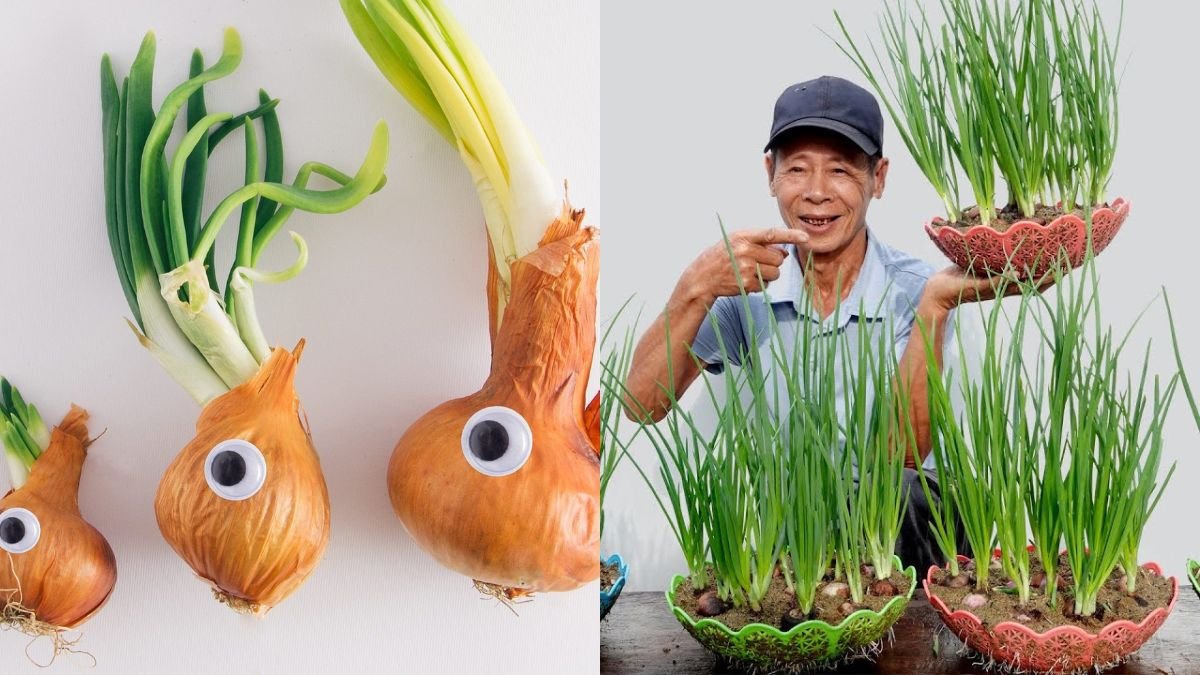
Onions are one of the most versatile vegetables in the kitchen, enhancing flavors in everything from soups and stir-fries to pickles and salads. Yet, despite their popularity, many home gardeners have often thought, “It’s awesome! Why didn’t I know how to grow these onions earlier?” Growing onions at home is easier than you might think. With proper soil, sunlight, water, and care, you can cultivate healthy, flavorful onions with minimal effort and enjoy a satisfying harvest from your own garden.
Whether you are a beginner or an experienced gardener looking to maximize yield, this guide provides step-by-step instructions, expert tips, and practical advice for growing onions successfully at home.
Why Onion Growing Is Trending
Home gardening is on the rise, with more people seeking fresh, chemical-free produce from their own backyards or balconies. Onions, in particular, are appealing because they:
- Store well for months after harvest
- Adapt to a variety of climates
- Require simple care compared to other root crops
- Add nutritious, flavorful ingredients to your kitchen
Despite these advantages, many gardeners struggle with onion growth due to timing, soil conditions, and watering practices, leaving them wishing they had started earlier.
Step 1: Choose the Right Onion Type
Onions come in different varieties, typically classified by day length:

- Short-day onions: Best for southern regions, require 10–12 hours of daylight.
- Intermediate-day onions: Suitable for mid-latitudes, require 12–14 hours of daylight.
- Long-day onions: Ideal for northern climates, require 14–16 hours of daylight.
Choosing the correct variety for your region is crucial, as onions rely on daylight to form bulbs. Using the wrong type can result in small or poorly formed onions.
Step 2: Select a Sunny, Well-Drained Spot
Onions thrive in full sunlight. Choose a garden bed or container location that receives 6–8 hours of sunlight per day.
Soil should be well-draining, sandy loam or loam is ideal. Heavy clay or compacted soils may retain too much water, leading to root rot or stunted growth. Proper sunlight and drainage are the foundation for strong onions.
Step 3: Prepare Soil With Organic Matter
Onions perform best in fertile soil enriched with organic matter. Before planting, mix in well-rotted compost or aged manure to improve soil structure and supply nutrients. Onions prefer slightly acidic to neutral soil with a pH between 6.0 and 7.0.
- Plant seeds or onion sets 1/4 to 1/2 inch deep.
- If using seedlings started indoors, harden them off by gradually exposing them to outdoor conditions before transplanting.
A nutrient-rich, well-prepared soil ensures strong root development and larger bulbs.

Step 4: Watering for Optimal Growth
Onions are composed of roughly 95% water, making consistent moisture critical for growth.
- Water deeply when the top inch of soil feels dry.
- Avoid overwatering, which can cause root rot.
- Maintain about 1 inch of water per week, including rainfall.
Mulching can help retain moisture, regulate soil temperature, and suppress weeds, all of which improve onion growth.
Step 5: Fertilization Tips
Onions are moderately heavy feeders. Fertilize appropriately to encourage strong, healthy bulbs:
- Before planting: Add a balanced fertilizer to enrich soil.
- Early growth: Nitrogen supports leafy growth.
- Bulb formation: Reduce nitrogen and increase phosphorus and potassium to strengthen bulbs and improve storage quality.
Organic fertilizers such as compost tea, blood meal, or fish emulsion work well and promote sustainable growth. Proper fertilization ensures onions develop large, juicy bulbs without excessive foliage.
Step 6: Thin Plants for Space
Once seedlings emerge, thin them to 3–4 inches apart. Crowded plants compete for nutrients, sunlight, and water, which can reduce bulb size and increase the risk of disease. Thinning allows better air circulation and healthier plants, leading to bigger, higher-quality onions.

Step 7: Mulch for Moisture and Weed Control
Apply a thin layer of mulch around onion plants. Straw, grass clippings, or shredded leaves help:
- Retain soil moisture
- Suppress weed growth
- Maintain cooler soil in hot weather
Mulching improves overall growth conditions, helping your onions flourish and produce larger bulbs.
Step 8: Harvest at the Right Time
Onion bulbs are ready for harvest when tops begin to flop and yellow. This typically occurs in late summer or early fall, depending on the variety and growing conditions.
- Gently dig bulbs using a fork or trowel to avoid bruising.
- Cure onions in a shaded, airy location for several days to extend storage life.
Harvesting at the correct time ensures maximum flavor and storage potential.
Common Mistakes Gardeners Make
Many gardeners ask, “Why didn’t I know this sooner?” due to these common errors:

- Low sunlight: Insufficient light prevents bulb formation.
- Improper watering: Both over- and under-watering stunt growth.
- Incorrect fertilizer timing: Using too much nitrogen late in growth reduces bulb size.
- Crowded plants: Competing for resources leads to small bulbs.
- Poor soil structure: Compacted or poorly draining soil hinders root and bulb development.
By avoiding these mistakes, you can enjoy healthy, high-yield onion crops.
Gardening Context and Trends
While there are no major breaking news stories about onion gardening this week, seasonal guides and gardening communities consistently highlight onions as an essential crop. Starting seeds indoors in winter months or early spring ensures a strong start, while container and raised-bed gardening allow urban gardeners to grow onions successfully even in small spaces.
The recent trend toward homegrown, chemical-free vegetables has made onion gardening more popular than ever. Freshly harvested onions not only taste better than store-bought but also store longer when grown correctly.
Authoritative Sources
For further guidance and reliable best practices, refer to:
- Royal Horticultural Society (RHS) – Grow Your Own Onions: Complete guide on planting, soil, and care. (rhs.org.uk)
- The Old Farmer’s Almanac – Onions: Tips on planting, fertilization, and harvesting. (almanac.com)
- University of Minnesota Extension – Growing Onions: Research-based guidance on soil, planting, and care. (extension.umn.edu)
These resources provide detailed guidance for both beginners and experienced gardeners.

Conclusion
Growing onions at home can be extremely rewarding. With proper sunlight, soil preparation, watering, fertilization, and timely harvesting, anyone can cultivate juicy, flavorful onions.
Avoiding common mistakes such as poor spacing, improper watering, or incorrect fertilizer timing ensures your onions grow to full potential. By following these proven methods, you’ll finally understand why gardeners often exclaim: “It’s awesome! Why didn’t I know how to grow these onions earlier?”
Start your onion garden this season, and enjoy fresh, homegrown onions that add flavor to every meal while giving you the satisfaction of growing your own food.